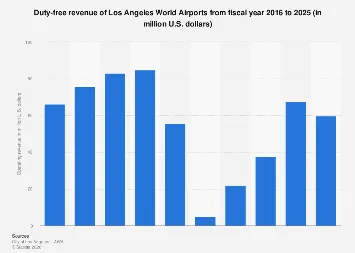
Los Angeles World Airports (LAWA), a major hub for international travel, is projected to experience a substantial surge in duty-free revenue by 2025. This anticipated growth underscores a broader global trend of recovery and expansion within the travel retail sector, driven by pent-up demand for international tourism and evolving consumer spending habits at airports. While specific figures require access to premium data, the trajectory signals a robust comeback for airport retail, a critical component of airport operations and passenger experience.
The duty-free and travel retail industry worldwide has demonstrated remarkable resilience. Following the unprecedented disruptions of the COVID-19 pandemic, which brought global air travel to a near standstill, the sector is now navigating a complex but optimistic recovery phase. Airports, as primary gateways for international journeys, are central to this resurgence. Their retail offerings, particularly duty-free outlets, are not merely revenue generators but integral to the overall passenger journey, providing convenience, aspirational purchases, and a tangible element of the travel experience.
Several key factors are fueling the projected increase in duty-free revenue for LAWA and the global industry. Firstly, the sustained rebound in international passenger traffic is paramount. As borders reopen and travel restrictions ease, more travelers are passing through major international airports like Los Angeles International Airport (LAX). This increased footfall directly translates into higher potential sales for retail operators. According to industry analyses, international passenger numbers are steadily climbing, approaching pre-pandemic levels in many key markets. This recovery is not uniform, with some regions and routes showing faster growth than others, but the overall direction is positive.
Secondly, the nature of airport retail is evolving. Beyond traditional duty-free staples like liquor, tobacco, and perfumes, there is a growing emphasis on curated product selections that cater to a diverse range of passenger preferences. This includes premium fashion and accessories, high-end electronics, local artisanal products, and specialized travel-related goods. Airports are increasingly viewed as shopping destinations in their own right, offering a unique blend of convenience and exclusivity. This strategic diversification of merchandise can attract a wider customer base and encourage higher average transaction values.
Furthermore, advancements in retail technology and operational strategies are playing a crucial role. The integration of digital platforms, such as pre-ordering services and personalized recommendations, enhances the customer experience and streamlines the purchasing process. Mobile apps, loyalty programs, and data analytics allow retailers to understand passenger demographics and purchasing behavior more effectively, enabling targeted marketing and promotions. This sophisticated approach to retail management is vital for maximizing revenue potential in a competitive environment.
The economic impact of a thriving duty-free sector extends beyond the direct revenue generated by retailers. For airport authorities like LAWA, retail concessions represent a significant source of non-aeronautical revenue, which is vital for funding infrastructure development, operational enhancements, and maintaining competitive landing fees for airlines. A robust retail environment also contributes to job creation, both directly within retail operations and indirectly through the supply chain and support services.
Globally, the duty-free market is highly competitive, with major players vying for prime locations and traveler spending. Companies like Dufry, Heinemann, and DFS Group operate extensive networks of stores across the world’s leading airports. These operators invest heavily in store design, product assortment, and customer service to capture a larger share of the market. The performance of airports like LAX is therefore closely watched by these global entities as indicators of market health and potential growth opportunities.
Comparing LAWA’s projected performance to other major international airports provides valuable context. Airports in hubs like Dubai, London Heathrow, Singapore Changi, and Amsterdam Schiphol are also significant players in the travel retail landscape. Each of these airports has its unique strategy for retail development, often focusing on luxury brands, local specialties, or seamless integration with the overall passenger experience. The success of LAWA will be measured not only by its absolute revenue figures but also by its ability to compete effectively with these global benchmarks and capture a significant share of the spending power of its international passengers.
The economic climate also plays a role. While consumer confidence and disposable income are key drivers of retail spending, the aspirational nature of travel and the perceived value of duty-free purchases can sometimes insulate this sector from broader economic downturns, especially among affluent travelers. However, currency exchange rates and the economic health of key originating markets for travelers to Los Angeles will also influence spending patterns.
Looking ahead to 2025, the trend suggests that airports that can offer a compelling and diverse retail experience, coupled with efficient operational management and a focus on customer satisfaction, will be best positioned to capitalize on the resurgent demand for travel and the associated retail spending. The growth in duty-free revenue at LAWA is likely to be a testament to its strategic investments in retail infrastructure, its ability to attract and retain leading retail partners, and its capacity to adapt to the ever-changing preferences of the global traveler. This positive outlook for airport retail is a strong indicator of the continued vitality of international travel and the economic significance of the airport as a multifaceted commercial ecosystem.