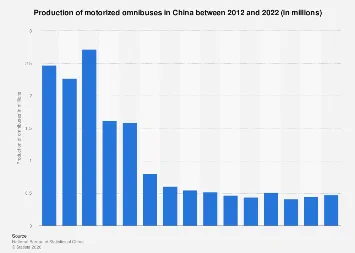
China’s dominance in global manufacturing extends to the automotive sector, with its production of omnibuses – large, multi-purpose vehicles often used for public transport, long-distance travel, and specialized services – representing a significant and dynamic segment of its industrial output. While specific, granular production figures for omnibuses can be proprietary and subject to market fluctuations, the broader trends in China’s commercial vehicle manufacturing provide a clear indication of the sector’s trajectory. This article explores the key factors shaping China’s omnibus production, including technological advancements, government policy, market demand, and the competitive environment.
The Chinese omnibus market is characterized by a robust domestic demand driven by rapid urbanization, expanding public transportation networks, and increasing investments in tourism and logistics. Cities across China are continually upgrading and expanding their bus fleets to accommodate growing populations and to meet stricter environmental regulations. This sustained demand fuels continuous production by both established domestic manufacturers and a growing number of specialized firms. The sheer scale of China’s infrastructure development projects, from intercity high-speed rail to urban metro systems, often necessitates complementary bus services, thereby creating a substantial and ongoing need for omnibuses.
Technological innovation is a pivotal driver in China’s omnibus sector. Manufacturers are increasingly focusing on developing vehicles that are not only cost-effective but also technologically advanced, environmentally sustainable, and passenger-centric. The shift towards new energy vehicles (NEVs), particularly electric omnibuses, has been a pronounced trend, supported by substantial government incentives and ambitious national targets for emissions reduction. China is the world’s largest market for electric vehicles, and this extends to its commercial transport sector. Battery technology advancements, improved charging infrastructure, and a supportive regulatory framework have made electric omnibuses a viable and increasingly popular choice for transit authorities and private operators. This transition not only addresses environmental concerns but also offers potential long-term operational cost savings due to lower fuel and maintenance expenses.
Beyond electrification, manufacturers are integrating smart technologies into omnibus design. This includes advanced driver-assistance systems (ADAS), real-time passenger information systems, sophisticated fleet management software, and enhanced safety features. The integration of 5G connectivity is also enabling more efficient communication and data exchange for public transport operations. These innovations are aimed at improving operational efficiency, enhancing passenger experience, and ensuring higher safety standards, aligning with global best practices in intelligent transportation systems.
The competitive landscape in China’s omnibus manufacturing sector is intense. A number of large, state-affiliated enterprises, such as BYD, Yutong, King Long, and Higer, are major players, boasting extensive production capacities and established distribution networks. These companies often have diversified product lines, catering to various segments of the omnibus market, from city buses to luxury coaches. Simultaneously, the market also sees the presence of smaller, more specialized manufacturers that focus on niche segments or innovative designs. The government’s industrial policies, including support for research and development and the promotion of domestic champions, play a significant role in shaping this competitive dynamic. Mergers and acquisitions are also common as companies seek to consolidate market share, acquire new technologies, or achieve economies of scale.
Government policy has been instrumental in shaping the omnibus industry. Subsidies for NEV adoption, preferential procurement policies for public transport fleets, and stringent emission standards have all encouraged manufacturers to invest heavily in green technologies. Furthermore, policies aimed at consolidating the fragmented commercial vehicle industry and promoting technological self-reliance have influenced strategic decisions within manufacturing firms. The "Made in China 2025" initiative, for instance, has underscored the importance of high-tech manufacturing, including in the automotive sector, pushing companies to move up the value chain.
The global implications of China’s omnibus production are substantial. Chinese manufacturers are not only serving a massive domestic market but are also increasingly exporting their products to international markets. Factors such as competitive pricing, improving product quality, and the availability of advanced technologies, particularly in the electric bus segment, are making Chinese omnibuses attractive to buyers in Southeast Asia, Latin America, Africa, and even parts of Europe. This global expansion presents both opportunities and challenges for established international players. The export of electric omnibuses, in particular, positions China as a key player in the global transition to sustainable public transportation.
However, challenges persist. Fluctuations in raw material costs, particularly for battery components like lithium and cobalt, can impact production costs and pricing strategies. Navigating complex international trade regulations and geopolitical considerations also adds layers of complexity to export strategies. Moreover, ensuring consistent quality and after-sales service across diverse global markets requires significant investment and strategic planning. The industry also faces scrutiny regarding intellectual property rights and fair competition as it expands its global footprint.
Looking ahead, the trajectory of China’s omnibus production is likely to be characterized by continued technological advancement, particularly in electrification and intelligent features, and a sustained focus on sustainability. The interplay between domestic market demand, government policy, and global export opportunities will continue to shape the industry. As China solidifies its position as a global manufacturing powerhouse, its contribution to the evolution of public and commercial transport through its omnibus production will undoubtedly remain a significant economic and technological story. The sector’s capacity for innovation and adaptation suggests a continued expansion and influence on the global stage.