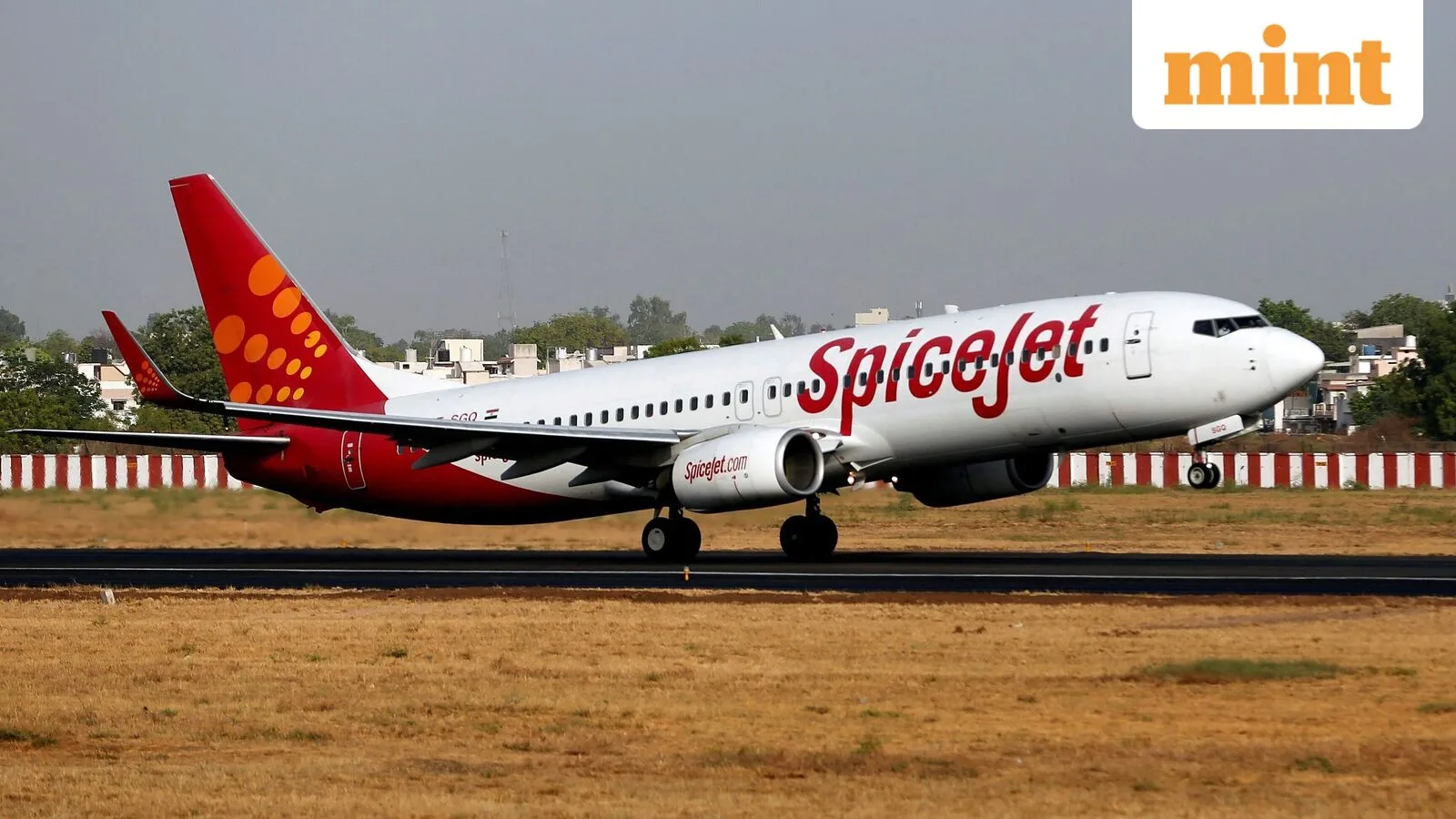
In the cutthroat arena of Indian aviation, where storied carriers have often faltered, the impending celebration of SpiceJet’s 21st anniversary on May 24, 2026, presents a paradox: a remarkable testament to survival against formidable odds, yet also a narrative frequently punctuated by financial distress and strategic missteps. The subcontinent’s skies are notoriously challenging, characterized by intense competition, high operational costs, and susceptibility to global economic shocks. Against this backdrop, SpiceJet’s enduring presence, even if often precarious, demands a deeper examination into the resilience of its corporate DNA and the recurrent crises that have shaped its tumultuous journey, leaving it perpetually in a state of recalibration.
SpiceJet’s lineage traces back to 1995 with the establishment of ModiLuft, an early entrant in India’s liberalized aviation sector, founded by industrialist S.K. Modi in collaboration with Lufthansa. Despite its pioneering spirit, ModiLuft suspended operations in 1996, succumbing to the nascent market’s volatility. Nearly a decade later, the dormant entity was resurrected as SpiceJet in 2005, signaling a new era. The airline launched with a clear, no-frills, low-cost carrier (LCC) model, prioritizing a single-type Boeing 737 fleet for operational simplicity, aggressive pricing strategies, and high aircraft utilization to minimize costs and maximize revenue. This foundational approach initially enabled rapid expansion, capitalizing on India’s burgeoning middle class and increasing air travel demand.
The initial years saw SpiceJet carve a niche, growing steadily even as established players like Jet Airways and the flamboyant Kingfisher Airlines grappled with complex acquisitions and the reverberations of the 2008-09 global financial crisis. By 2010, having met the mandatory five-year domestic operational requirement, SpiceJet expanded its footprint internationally, initiating flights to regional hubs like Kathmandu and Colombo. This period marked a crucial phase of growth, demonstrating the potential of the LCC model in a price-sensitive market, distinguishing itself from full-service carriers burdened by legacy costs and complex network structures.
A significant turning point arrived in June 2010 when media magnate Kalanithi Maran, chairman of the Sun Group, acquired a controlling stake, eventually reaching over 53%, injecting substantial capital into the airline. While Maran’s deep pockets promised stability, his leadership also ushered in a strategic deviation from the core LCC philosophy. SpiceJet diversified its fleet with a major order for 30 Boeing 737-800s for trunk routes and an additional 15 Bombardier Q400 turboprop aircraft, intended to penetrate Tier-II and Tier-III cities. This dual-fleet strategy, though aimed at broader market coverage, fundamentally challenged the cost efficiencies inherent in the single-fleet LCC model, introducing complexities in maintenance, crew training, and spare parts management. Concurrently, macroeconomic headwinds between 2012 and 2014, including rising fuel prices and a depreciating rupee, dramatically inflated operational costs, contributing to an industry-wide downturn that saw Kingfisher Airlines cease operations and Jet Airways seek external funding from Etihad.
By late 2014, SpiceJet was teetering on the brink of collapse, facing an acute liquidity crisis. Payments to lessors, vendors, and even government bodies were deferred to conserve working capital. The situation escalated dramatically in December 2014 when oil marketing companies refused to refuel its aircraft on credit, leading to the temporary grounding of its entire fleet. With liabilities exceeding ₹2,000 crore and thousands of passengers stranded, the airline mirrored the trajectory of Kingfisher Airlines just two years prior. In a dramatic turn, Ajay Singh, a co-founder who had sold his stake to Maran, reacquired control, initiating a swift and audacious turnaround. His strategy involved aggressive renegotiations with lessors and vendors, route optimization, a renewed focus on the LCC model, and a rebranding effort that quickly restored market confidence and cash flow. Within two quarters, SpiceJet remarkably swung from heavy losses to record quarterly profits.

This resurgence culminated in an ambitious statement of intent in early 2017: a headline-grabbing firm order with Boeing for up to 205 737 MAX aircraft, valued at over $22 billion. This strategic move aimed to modernize the fleet, enhance fuel efficiency, and leverage the MAX’s extended range for new international routes, with the sale-and-leaseback model (pioneered successfully by competitor IndiGo) central to its financing. The first MAX 8 aircraft, named ‘King Chilly’, was inducted in October 2018, opening new possibilities, including direct flights from Delhi to Hong Kong.
However, this period of renewed ambition was abruptly curtailed by a devastating double blow. In October 2018, a 737 MAX 8 crashed near Jakarta, followed by another in Ethiopia in March 2019, leading to the global grounding of the entire MAX fleet. This catastrophic event crippled SpiceJet’s growth strategy, stranding its newly acquired aircraft and derailing its expansion plans. Almost simultaneously, the collapse of Jet Airways in April 2019, after nearly 25 years of operation, presented an unexpected opportunity. With a significant number of aircraft available from lessors and a ready pool of trained crew, SpiceJet swiftly inducted over 30 planes, rapidly expanding its capacity and reclaiming market share, almost returning to its 2014 passenger levels.
Yet, just as the airline was absorbing this unprecedented growth, the COVID-19 pandemic struck in early 2020, bringing global aviation to an unprecedented halt. The sudden, massive increase in fleet size and human resources, combined with zero revenue during lockdowns, placed an unbearable strain on SpiceJet’s finances. The crisis became its most significant challenge to date. To stay afloat, the airline innovated, launching a cargo division, SpiceXpress, converting passenger planes for freight, and even initiating air ambulance services. These measures, alongside government-backed economic lifelines, helped the airline survive, but a full recovery remained elusive amidst the prolonged disruption.
Emerging from the pandemic, SpiceJet found itself buried under a substantial mountain of liabilities. While some disputes with lessors and creditors have been settled out of court, numerous legal challenges persist, including significant ongoing litigation with the Marans and KAL Airways. Despite innovative financial engineering, such as converting debt to equity for lessors, and a Qualified Institutional Placement (QIP) of INR 3,000 crore in late 2024, the airline has struggled to fully stabilize its balance sheet. Fleet restoration efforts have also been hampered by global supply chain disruptions, further complicating its operational recovery and expansion plans in a fiercely competitive environment.
This protracted struggle stands in stark contrast to the trajectory of its primary rival, IndiGo. While both airlines commenced operations around the same time, IndiGo, by consistently adhering to a disciplined LCC model, focusing on operational efficiency, and maintaining a robust financial position, has scaled to become the undisputed market leader, dwarfing SpiceJet by a factor of 16 in terms of operational scale. This disparity highlights the critical importance of sustained financial health and strategic consistency in the volatile Indian aviation market, where fleeting opportunities must be capitalized upon with a strong underlying foundation.
The broader implications of such persistent turbulence within a key economic sector like aviation are significant. Frequent financial distress impacts not only shareholder value and employee morale but also regional connectivity, tourism, and investor confidence in India’s growth story. The challenges for LCCs in India are multifaceted: volatile crude oil prices, intense competition, a complex regulatory landscape, and ongoing infrastructure development needs. While SpiceJet’s survival for over two decades is undeniably an achievement in a market known for its high attrition rate, the recurring theme of near-death experiences and continuous financial strain raises fundamental questions about its long-term viability and ability to achieve sustained profitability. Breaking this cycle will require not just resilience, but a definitive and stable strategic direction, robust capitalization, and flawless execution to compete effectively in one of the world’s fastest-growing aviation markets.