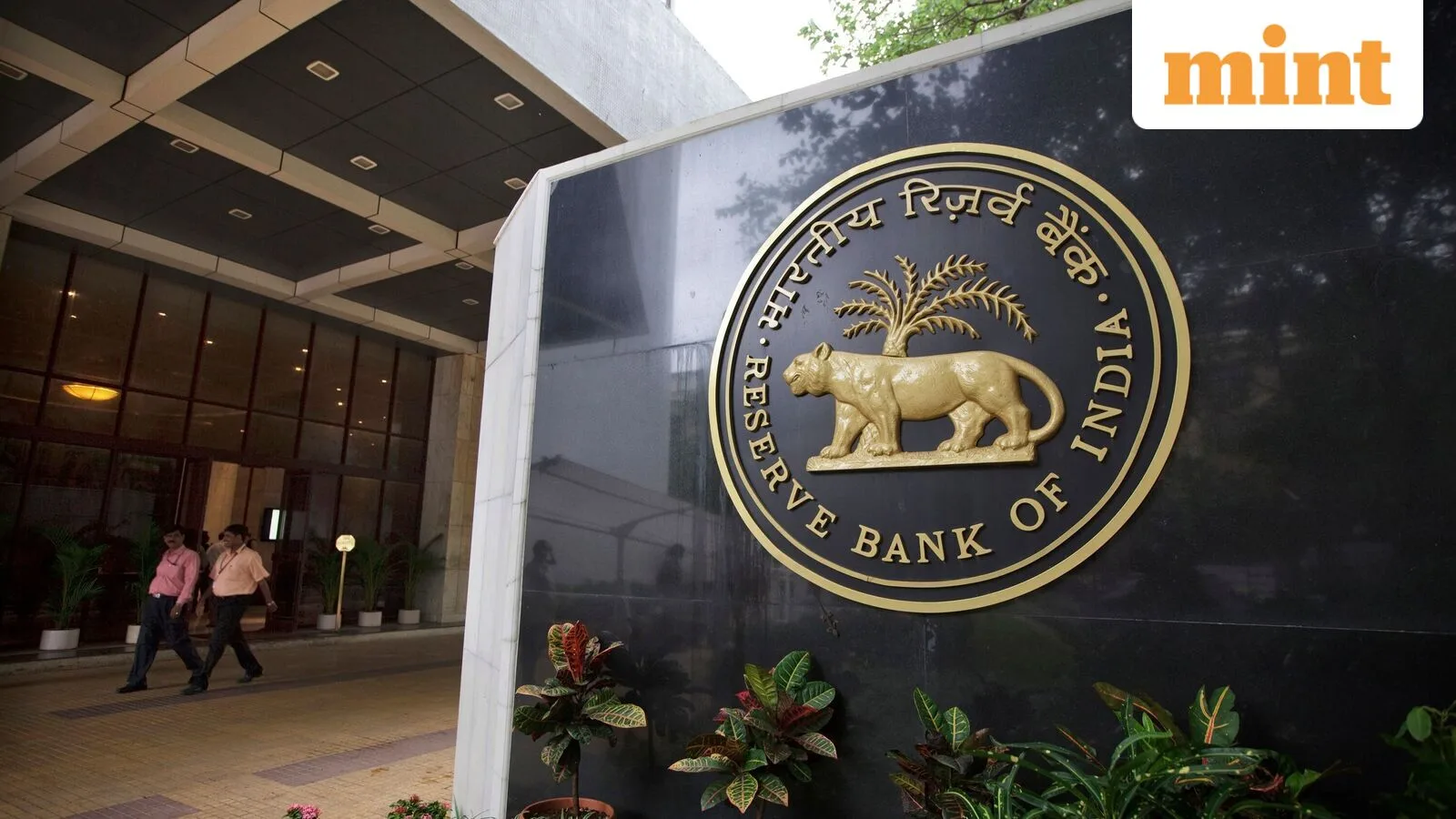
The Reserve Bank of India (RBI) recently solidified its position on a significant regulatory amendment, confirming the non-acceptance of industry feedback that cautioned against incorporating quarterly profits directly into the calculation of capital adequacy levels. This decisive move follows an earlier proposal by the central bank on April 8, aimed at refining how commercial banks account for their financial strength. The core of the revision permits banks to include interim profits in their regulatory capital without an additional qualifying condition previously linked to bad loan provisions, a measure the RBI asserts offers a more accurate representation of banks’ inherent capital buffers.
Under the existing framework, Indian banks were already allowed to factor in quarterly profits as part of their capital, albeit with a specific caveat concerning provisions for non-performing assets (NPAs). The proposed revision, now affirmed, streamlines this process by removing this particular precondition. The RBI’s rationale underscores that banks are inherently obligated to consider various factors, including potential charges on profits and seasonal fluctuations, and adhere to extant guidelines before integrating quarterly earnings into their regulatory capital. Furthermore, the central bank emphasized the critical role of audit or limited review mechanisms, which serve to verify and certify these profits, ensuring their legitimacy before they contribute to the regulatory capital base. Governor Sanjay Malhotra, speaking on April 8, articulated that this change does not alter the fundamental calculation of net profit but rather refines the capital adequacy computation, providing a "better reflection of the capital that the banks have."
The banking industry, however, had voiced apprehensions regarding the proposed relaxation. Feedback submitted to the regulator highlighted several potential pitfalls. Industry stakeholders underscored that the integration of quarterly profits into Common Equity Tier 1 (CET1) capital demands meticulous analysis due to inherent profit skewness, seasonal variations, and cost-related challenges such as depreciation and write-offs. They pointed to regional disparities, the volatile nature of asset quality, and external shocks stemming from geopolitical events or climate-related factors as elements that could significantly influence interim profitability. The feedback specifically cited festive spikes, such as those observed during Diwali, which can generate temporary surges in profits that may not genuinely reflect a bank’s structural financial robustness.
The central tenet of the industry’s warning was that recognizing these transitory earnings for capital adequacy ratio calculations carries the inherent risk of artificially inflating a bank’s perceived lending capacity. Such an overestimation, they argued, could potentially lead to an unsustainable expansion of credit, creating systemic vulnerabilities. In periods of normalized or leaner profitability, this could translate into significant capital stress, undermining the stability the capital adequacy framework is designed to preserve. The concerns reflect a deep-seated understanding of banking cycles and the need for capital buffers to withstand unforeseen shocks, rather than being built on potentially ephemeral gains.

Globally, capital adequacy norms are a cornerstone of financial stability, largely guided by the Basel Accords. The Basel III framework, for instance, sets stringent requirements for banks’ capital ratios, defining different tiers of capital based on their loss-absorbing capacity. CET1 capital, comprising common shares and retained earnings, is considered the highest quality capital dueishing the ability to absorb losses without triggering a bank’s insolvency. While most jurisdictions permit the inclusion of interim profits, they often impose strict conditions, such as requiring independent audits, adjustments for foreseeable losses, or even supervisory approval, to prevent the overstatement of capital. For example, some European regulators require a robust track record of profitability and conservative dividend policies before allowing quarterly earnings into regulatory capital, while US banks typically rely on audited annual figures for their most critical capital calculations, with interim reporting subject to stringent internal controls and regulatory oversight. The RBI’s decision, while aligned with the general principle of recognizing profits, appears to simplify the qualifying conditions, potentially placing India in a slightly more permissive stance compared to some of its global counterparts, albeit with the reassurance of existing audit requirements.
India’s banking sector has undergone significant transformations in recent years, including massive recapitalization efforts and a sustained clean-up of non-performing assets. As of March 31, 2026, the aggregate Capital to Risk-weighted Assets Ratio (CRAR) for Scheduled Commercial Banks (SCBs) stood comfortably above regulatory minimums, with many large public and private sector banks reporting CRARs well above 15%. For instance, State Bank of India’s capital adequacy ratio was reported at 15.4% as of that date, significantly exceeding the regulatory requirement of 12.3% (which includes the capital conservation buffer). This robust capital position provides a strong foundation. However, the industry’s feedback likely stemmed from a desire to maintain conservative buffers, especially given the dynamic nature of India’s credit market and the potential for economic volatility. Rapid credit expansion, if not underpinned by genuinely robust capital, has historically been a precursor to financial crises in various economies.
The RBI’s move signifies a careful balancing act between promoting credit growth, essential for India’s ambitious economic development targets, and maintaining prudential oversight. By allowing a more direct inclusion of quarterly profits, the central bank aims to provide banks with greater flexibility to manage their capital and potentially enhance their lending capacity. This could translate into increased credit availability for various sectors, ranging from retail and MSMEs to large infrastructure projects, thereby stimulating economic activity. However, the implicit risk, as highlighted by the industry, is that this enhanced lending capacity might not always be backed by truly sustainable capital. Should a bank’s profits prove transient or subject to significant reversals, its capital buffers could erode faster than anticipated, potentially necessitating more stringent regulatory interventions or even government support.
From an economic impact perspective, a more flexible capital regime could indeed foster greater credit expansion. For a rapidly growing economy like India, where credit demand often outstrips supply, such a measure could be seen as a booster. Increased lending can fuel consumption, investment, and job creation. However, the quality of this credit expansion is paramount. If banks, emboldened by seemingly higher capital levels derived from volatile quarterly profits, embark on aggressive lending to riskier segments, it could sow the seeds of future asset quality challenges. The RBI’s emphasis on audit and internal compliance mechanisms is therefore crucial. Banks will need to demonstrate rigorous internal controls and risk management frameworks to ensure that their reported quarterly profits are truly reflective of their underlying financial health and not merely temporary accounting gains.
In conclusion, the RBI’s decision to proceed with the revised capital adequacy norms, despite industry reservations, marks a significant regulatory stance. It underscores the central bank’s confidence in banks’ internal governance, audit processes, and its own supervisory capabilities to monitor and mitigate potential risks. While the move is intended to provide a "better reflection" of bank capital and potentially unlock greater lending capacity, the onus will firmly remain on individual banks to exercise prudence. The long-term implications for financial stability and credit quality will largely depend on the vigilance of both the regulated entities in managing profit volatility and the regulator in ensuring robust oversight. As India continues its trajectory of economic growth, the delicate balance between fostering credit expansion and safeguarding systemic stability will remain a key focus for the Reserve Bank of India.