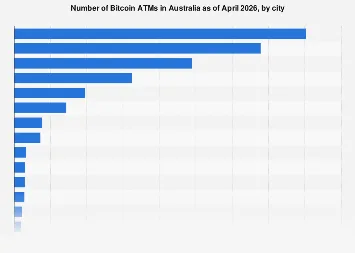
Australia’s cryptocurrency landscape is on the cusp of a substantial expansion, with projections indicating a notable increase in Bitcoin Automated Teller Machines (ATMs) across its major urban centers by 2026. This anticipated growth signifies a maturing market, driven by increasing consumer adoption, evolving regulatory clarity, and a growing demand for accessible digital asset services. While precise, granular data often requires commercial access, the underlying trend points towards a more entrenched presence of cryptocurrency infrastructure within the Australian economic fabric.
The proliferation of Bitcoin ATMs represents a crucial step in bridging the gap between traditional finance and the burgeoning world of digital assets. For many Australians, these machines serve as an accessible on-ramp to acquiring cryptocurrencies like Bitcoin, bypassing the complexities sometimes associated with online exchanges. This ease of access is particularly important for individuals who may be less technologically inclined or who prefer the tangible interaction of a physical transaction. The current network, while growing, has historically been concentrated in major metropolitan hubs, but the forecast suggests a broadening geographical reach.
Cities such as Sydney, Melbourne, Brisbane, Perth, and Adelaide are expected to be at the forefront of this expansion. These densely populated areas already boast a higher concentration of financial services and a more tech-savvy demographic, making them natural targets for the deployment of new Bitcoin ATM installations. However, the anticipated growth also implies a potential push into secondary cities and regional centers, aiming to democratize access to digital currencies beyond the traditional urban core. This would be a significant development, offering a tangible representation of the digital economy in areas previously underserved by such infrastructure.
Several factors are underpinning this optimistic outlook. Firstly, the global cryptocurrency market, despite its inherent volatility, has demonstrated remarkable resilience and continued innovation. Australia, as a developed economy with a strong interest in technological advancements, is a key participant in this global trend. The increasing institutional interest in digital assets worldwide, coupled with a growing number of retail investors exploring alternative investment avenues, creates a fertile ground for the expansion of related services.
Secondly, regulatory frameworks surrounding cryptocurrencies in Australia are gradually becoming more defined. While challenges and debates persist, the Australian Securities and Investments Commission (ASIC) and the Reserve Bank of Australia (RBA) have been actively engaging with the digital asset space. This evolving regulatory environment, moving from uncertainty to a more structured approach, provides greater confidence for businesses looking to invest in and operate cryptocurrency-related infrastructure, including ATM networks. The clarity, even if still evolving, reduces perceived risks for operators and consumers alike.
The economic impact of a more robust Bitcoin ATM network extends beyond mere convenience. It fosters financial inclusion by providing access to digital assets for a wider segment of the population. For individuals in areas with limited traditional banking services, or for those who prefer decentralized financial solutions, these ATMs offer a vital gateway. Furthermore, the presence of such infrastructure can stimulate local economies by creating jobs in installation, maintenance, and customer support, as well as attracting further investment in the fintech sector.
Statistics from other developed markets offer a comparative perspective. Countries with more mature cryptocurrency markets often exhibit a higher density of Bitcoin ATMs per capita. For instance, North America has historically led in ATM installations, but Europe and parts of Asia have also seen significant growth. Australia’s projected expansion aligns with these global trends, indicating its commitment to remaining competitive in the evolving digital finance ecosystem. The rate of adoption of digital payment methods and the general embrace of technology within Australian society further support the likelihood of increased ATM usage.
The operational models for Bitcoin ATMs are also evolving. While many are still focused on direct Bitcoin purchases and sales, there is a growing trend towards supporting a wider range of cryptocurrencies. This diversification could further enhance the appeal and utility of these machines, catering to a broader spectrum of investor interests and providing greater flexibility for users. The integration of ATMs with mobile wallets and other digital platforms is also likely to become more sophisticated, offering a more seamless user experience.
Challenges, however, remain. Security concerns, the potential for illicit activities, and the need for robust Know Your Customer (KYC) and Anti-Money Laundering (AML) protocols are critical considerations for regulators and operators. The energy consumption associated with some blockchain technologies also continues to be a subject of debate and innovation, with a growing emphasis on more sustainable solutions. The pricing structure of Bitcoin ATMs, which often includes higher transaction fees compared to online exchanges, can also be a barrier for some users. However, the convenience factor often outweighs these concerns for a significant portion of the user base.
Looking ahead, the success of this projected growth will depend on a confluence of factors: continued technological innovation, supportive yet prudent regulation, and sustained consumer demand. The increasing digitization of financial services globally suggests that physical access points like Bitcoin ATMs will play a complementary role, offering a tangible and user-friendly interface for interacting with the digital economy. As Australia navigates this evolving financial frontier, the expansion of its Bitcoin ATM network by 2026 will undoubtedly be a key indicator of its progress in embracing the future of finance. The ongoing development of the broader cryptocurrency ecosystem in Australia, including the potential for stablecoins and central bank digital currencies (CBDCs), will also influence the long-term role and functionality of Bitcoin ATMs. The ability of these machines to adapt and integrate with these emerging technologies will be crucial for their continued relevance and growth.