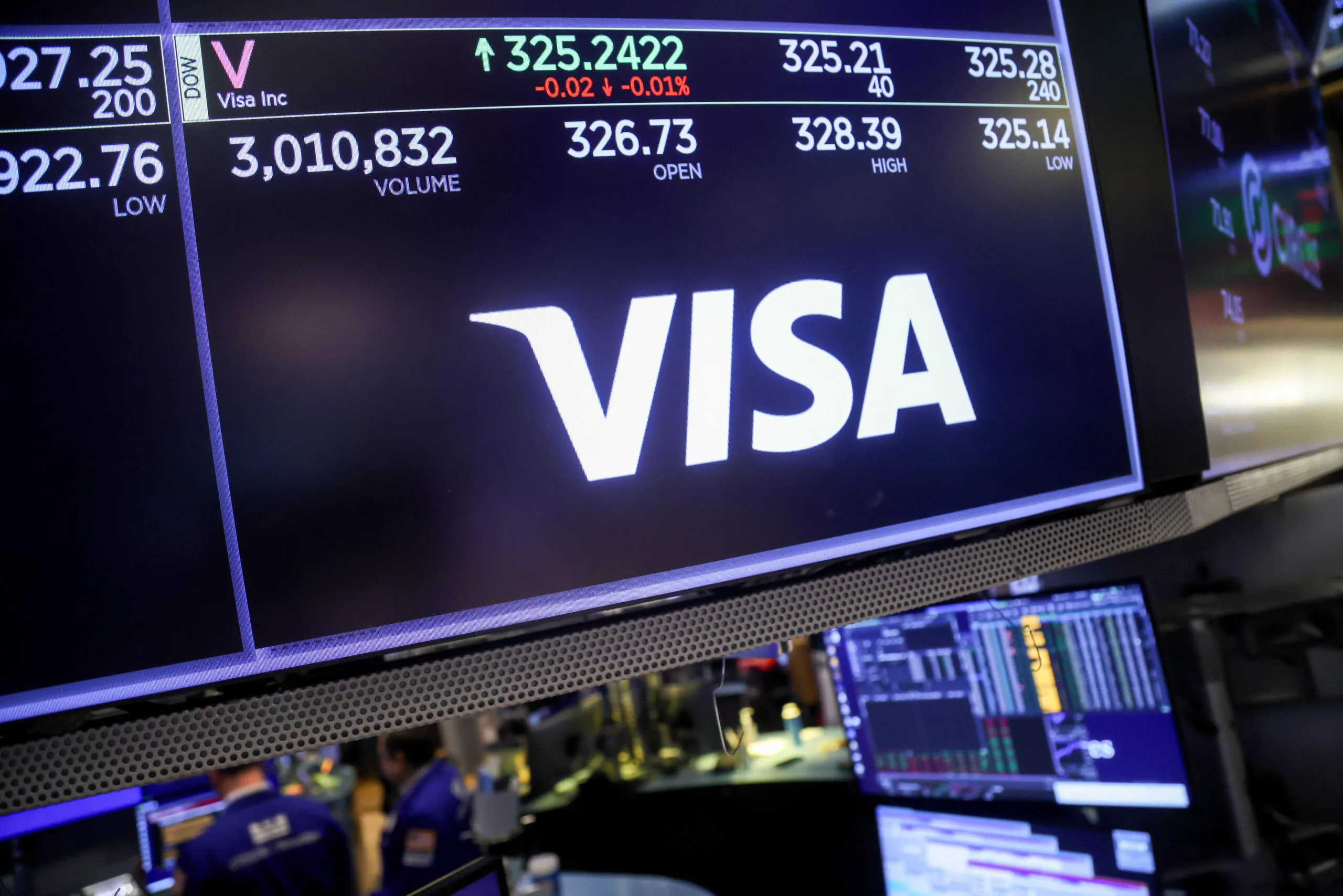
The global payments landscape is currently navigating a period of unprecedented volume and complexity, a shift that has brought the friction of the chargeback process into sharp focus. As digital transactions become the default for global commerce, the mechanisms for resolving errors, fraud, and consumer dissatisfaction have struggled to keep pace. Addressing this systemic bottleneck, Visa Inc. has announced the launch of six new artificial intelligence-driven tools designed to overhaul the credit card dispute process. This initiative represents a significant pivot toward high-tech automation in a back-office sector that has remained stubbornly manual for decades, signaling a broader industry trend where operational efficiency is increasingly dictated by machine learning and generative algorithms.
The scale of the problem Visa is attempting to solve is immense. In 2025, the company processed more than 106 million charge disputes globally, representing a staggering 35% increase compared to 2019 levels. This surge is not merely a reflection of increased transaction volume but also points to shifting consumer behaviors, the rise of the "subscription economy," and the growing sophistication of "friendly fraud"—situations where a consumer disputes a legitimate charge out of confusion or a desire to circumvent return policies. According to Andrew Torre, Visa’s president of value-added services, the legacy systems currently in place are ill-equipped for this volume. The reliance on manual entry, physical documentation, and reactive communication has created a multi-billion dollar drag on the global economy, affecting merchants, issuing banks, and acquiring banks alike.
Visa’s new suite of tools is strategically bifurcated to address the unique pain points of different stakeholders in the payment lifecycle. Three of the tools are specifically tailored for merchants, who often bear the brunt of dispute costs. These costs include not only the loss of the sale price and the physical inventory but also administrative fees and the potential for increased processing rates if dispute ratios climb too high. By integrating generative AI, Visa is enabling merchants to automate responses to disputes. Rather than having human staff draft individual rebuttals, AI can synthesize transaction data and customer history to produce evidence-backed responses in real-time.
Furthermore, a significant portion of disputes stems from "statement confusion," where a cardholder does not recognize a merchant’s billing name or the specific nature of a charge. To combat this, Visa is introducing enhanced order insights. This tool provides a deeper layer of granular data to financial institutions, allowing them to show cardholders exactly what was purchased, often including digital receipts or location data, directly within their banking apps. By resolving these misunderstandings at the point of inquiry, the system can prevent a formal dispute from ever being filed, saving thousands of hours in administrative labor.
The remaining three tools are directed toward the institutional side of the ledger—the issuers (banks that provide cards to consumers) and acquirers (banks that process payments for merchants). Here, Visa is deploying predictive AI models. Unlike generative AI, which creates content, predictive AI excels at identifying patterns and outcomes. These models analyze historical dispute data to assess the likelihood of a dispute’s success, helping banks prioritize cases and allocate resources more effectively. Additionally, the suite includes document-processing tools that use natural language processing to summarize lengthy legal filings and auto-fill complex forms, alongside a unified AI-powered platform that centralizes the entire dispute lifecycle. This shift from a fragmented, reactive posture to a proactive, data-driven approach is expected to significantly reduce the "mean time to resolution" for contested transactions.
This technological leap by Visa does not occur in a vacuum. It is part of an aggressive, multi-billion dollar arms race across the financial services sector. Major Wall Street players like JPMorgan Chase and Goldman Sachs have already signaled that AI is no longer a peripheral experiment but a core driver of their human capital strategies. Both institutions have indicated that AI integration will likely lead to a reduction in headcount for entry-level analytical roles. BNY, one of the world’s oldest financial institutions, underscored this trend by allocating $3.8 billion—nearly a fifth of its total revenue—to technology and AI initiatives in 2025 alone. For Visa, the move into AI-managed disputes is an extension of its broader "Value-Added Services" strategy, which seeks to diversify the company’s revenue streams beyond simple transaction processing fees.
The economic implications of streamlining disputes are profound. In the current ecosystem, it is estimated that for every dollar of fraud or disputed value, merchants lose nearly $3.75 in total costs, including shipping, fees, and labor. By reducing the friction of the dispute process, Visa is effectively lowering the cost of doing business globally. This is particularly critical for small and medium-sized enterprises (SMEs), which often lack the legal departments or dedicated staff required to fight erroneous chargebacks. Automation levels the playing field, providing smaller merchants with the same sophisticated defense tools used by global retail giants.
However, the rise of AI in financial mediation also raises questions about the "human element" of consumer protection. As algorithms take over the role of judge and jury in dispute resolution, the industry must ensure that the "black box" nature of AI does not result in systemic biases or the unfair denial of legitimate consumer claims. Visa’s approach suggests a hybrid model where AI handles the data-heavy lifting while providing human agents with better insights to make final decisions. This "augmented intelligence" strategy aims to maintain the integrity of the payment network while scaling to meet the demands of a trillion-dollar digital economy.
The timing of this rollout coincides with other consumer-centric innovations from Visa, such as the recently announced subscription manager. This tool allows cardholders to view, track, and cancel recurring payments directly through their banking interface. The synergy between subscription management and dispute automation is clear: a large percentage of modern disputes arise from "zombie subscriptions" that consumers find difficult to cancel. By giving consumers more control on the front end and using AI to manage errors on the back end, Visa is attempting to create a more transparent and less litigious payment environment.
From a global perspective, Visa’s move sets a new benchmark for its competitors, most notably Mastercard and American Express. As these networks vie for dominance in emerging markets—where digital payment adoption is leapfrogging traditional banking—the ability to offer a "low-friction" dispute environment becomes a key competitive advantage. In regions like Southeast Asia and Latin America, where e-commerce is growing at double-digit rates, the efficiency of the dispute mechanism can be the deciding factor for merchants choosing which payment rails to prioritize.
As these tools become generally available throughout 2026, the financial industry will be watching closely to see if the growth rate of disputes actually begins to plateau or decline. Success will be measured not just in the number of cases closed, but in the reduction of "noise" within the system. If Visa can successfully leverage AI to distinguish between legitimate fraud, merchant error, and consumer confusion, it will have solved one of the most persistent and expensive problems in modern finance.
Ultimately, the move toward AI-managed disputes reflects a broader transformation of the financial sector from a service-based industry to a technology-first ecosystem. The goal is no longer just to move money from point A to point B, but to manage the massive amounts of data surrounding that movement with surgical precision. For the average consumer, this evolution will likely manifest as a more intuitive banking experience where "I don’t recognize this charge" is met with an immediate, data-rich explanation rather than a weeks-long bureaucratic ordeal. For the global economy, it represents the reclaiming of billions of dollars in lost productivity, redirected from the friction of conflict toward the engine of growth.