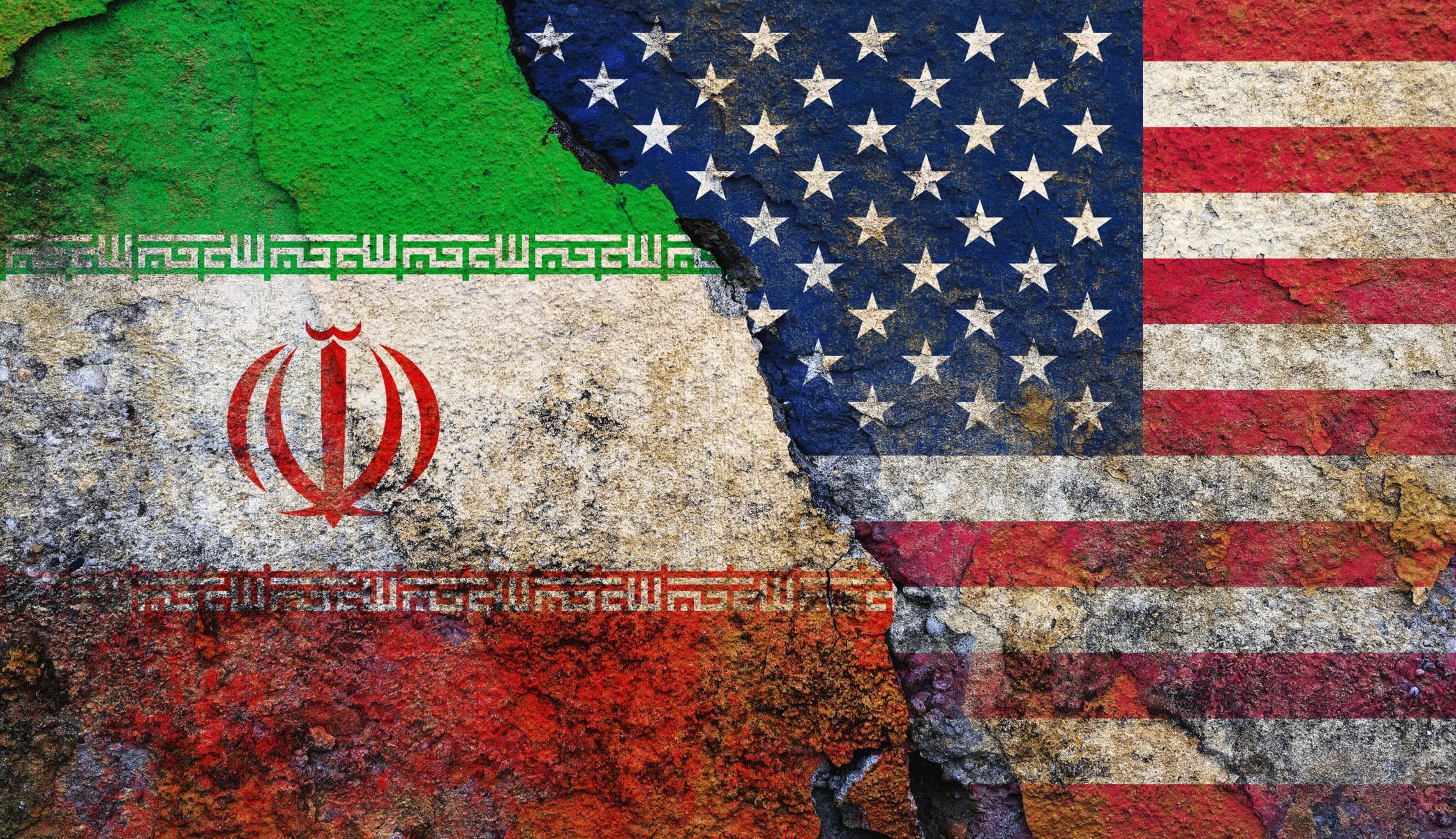
The landscape of Middle Eastern diplomacy is undergoing a period of intense recalibration, as emerging reports of a potential diplomatic breakthrough between Washington and Tehran send ripples through global financial and prediction markets. Speculative activity on major event-contract platforms suggests a significant shift in sentiment regarding the long-stalled nuclear negotiations. Traders on Kalshi, a regulated exchange for event contracts, have recently adjusted their positions to reflect a 58% probability that the United States and Iran will formalize a nuclear agreement by the start of 2027. This surge in optimism follows reports of a high-level framework aimed not only at curbing Iran’s nuclear ambitions but also at establishing a broader cessation of hostilities in a region that has been on the brink of wider conflict for the better part of a year.
The uptick in market confidence is a marked departure from the skepticism that characterized the first quarter of the year. While the current 58% probability is significant, it remains a volatile metric; in mid-April, anticipation of a resolution saw these odds peak at over 70% before a series of regional escalations cooled investor enthusiasm. However, the latest data points to a resilient underlying belief that the economic and political costs of continued confrontation are becoming untenable for both administrations. On decentralized platforms like Polymarket, the sentiment is even more pronounced, with traders pricing in a 65% chance of a deal within the same timeframe. These "wisdom of the crowd" indicators are increasingly being monitored by geopolitical analysts as real-time barometers of diplomatic health, often moving faster than traditional intelligence assessments.
At the heart of this renewed optimism is a reported "one-page memo" circulating in diplomatic circles, which outlines a phased approach to de-escalation. Unlike the 2015 Joint Comprehensive Plan of Action (JCPOA), which focused almost exclusively on technical nuclear constraints, the current framework appears to link nuclear concessions to a wider regional peace architecture. The proposed deal reportedly includes a moratorium on Iranian nuclear enrichment at high purity levels—specifically the 60% threshold that has brought the country to the "breakout" doorstep—in exchange for a gradual easing of the "maximum pressure" sanctions regime that has crippled the Iranian economy for years.
The economic stakes of such an agreement are monumental. Iran possesses the world’s fourth-largest proven oil reserves and the second-largest natural gas reserves. For the global energy market, a formal deal would represent a paradigm shift. Since 2018, Iranian crude has largely been relegated to the "shadow fleet" market, trading at significant discounts to buyers in Asia. A reintegration of Iranian oil into the formal global supply chain could potentially introduce an additional 1 million to 1.5 million barrels per day into the market. At a time when OPEC+ continues to manage production to support prices, the "Iran factor" represents a major deflationary tailwind for global energy costs. Market analysts suggest that a confirmed deal could shave a "geopolitical risk premium" of $5 to $10 off the price of a barrel of Brent crude, providing much-needed relief to Western economies struggling with persistent inflationary pressures.
Beyond the immediate impact on oil, the broader economic implications for the Middle East are profound. A stabilized relationship between the U.S. and Iran would likely de-risk the Strait of Hormuz, a critical maritime chokepoint through which 21% of the world’s petroleum liquids consumption passes daily. Insurance premiums for commercial shipping and the costs of maritime security have soared in recent months; a diplomatic resolution would significantly lower the cost of global trade. Furthermore, a deal could unlock frozen Iranian assets held in international banks—estimated to be in the tens of billions of dollars—providing the Tehran government with the liquidity necessary to address domestic infrastructure decay and social unrest.
However, the path to a 2027 resolution remains fraught with technical and political hurdles. From a technical standpoint, the International Atomic Energy Agency (IAEA) has repeatedly warned that its ability to monitor Iran’s nuclear program has been severely compromised since 2021. Any new agreement would require a rigorous verification regime that Iran has historically been reluctant to grant. The 2027 deadline is particularly significant because several "sunset clauses" of the original 2015 deal—pertaining to restrictions on advanced centrifuges and missile technology—are set to expire, making the negotiation of a "longer and stronger" successor deal a matter of extreme urgency for Western negotiators.
Domestic politics in both Washington and Tehran serve as the primary obstacles to a final signature. In the United States, any deal with Iran faces a gauntlet of legislative scrutiny. Critics argue that a moratorium on enrichment is insufficient and that any relief of sanctions provides a lifeline to a regime that funds regional proxies. Conversely, in Tehran, the conservative establishment remains wary of Western intentions, particularly after the unilateral U.S. withdrawal from the JCPOA in 2018. The current administration in Iran must balance the need for economic relief with the ideological requirement of maintaining "resistance" against Western influence.
The regional mosaic adds another layer of complexity. Israel remains the most vocal opponent of any deal that allows Iran to maintain a domestic enrichment capacity. Israeli officials have consistently maintained that they reserve the right to act unilaterally to prevent Iran from achieving nuclear weapons capability, regardless of any diplomatic accords signed by Washington. Similarly, Gulf monarchies like Saudi Arabia and the United Arab Emirates are watching the negotiations with a mixture of hope and apprehension. While these nations have recently sought their own detente with Tehran to protect their massive infrastructure projects, they remain wary of any deal that might embolden Iranian regional influence.
The use of prediction markets like Kalshi to track these developments highlights a growing trend in financial journalism: the reliance on "skin-in-the-game" data to forecast outcomes in opaque diplomatic environments. Unlike traditional polling or expert commentary, event contracts require participants to back their predictions with capital. This creates a high-incentive environment for accuracy. The fact that traders are pricing in a 47% chance of a deal as early as September suggests that there may be significant back-channel progress that has yet to be fully disclosed to the public.
If a deal is reached, the long-term impact on global security architecture could be transformative. It would allow the United States to pivot more resources toward the Indo-Pacific, reducing its heavy military footprint in the Middle East. For Europe, it would mean a more stable energy partner and a reduction in the threat of a nuclear arms race in its southern neighborhood. For the global economy, it would represent the removal of one of the most persistent "tail risks" that has haunted markets for two decades.
As the 2027 deadline approaches, the world remains in a state of watchful waiting. The fluctuations in prediction market odds reflect the volatile nature of modern diplomacy, where a single headline or a single incident in the Persian Gulf can swing probabilities by double digits in an afternoon. For now, the "smart money" is cautiously betting on a resolution. Whether this optimism is a reflection of a genuine diplomatic breakthrough or merely a desperate hope for stability in a fractured world remains to be seen. What is certain, however, is that the economic and geopolitical map of the next decade depends heavily on whether these percentages translate into a signed, verified, and durable treaty.