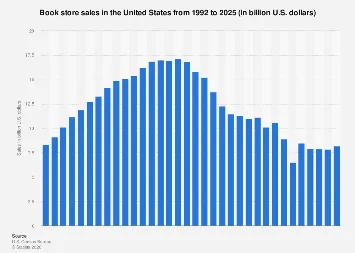
The landscape of the American bookstore industry is poised for continued evolution in 2025, with projected sales figures reflecting a complex interplay of digital saturation, resurgent print appeal, and an enduring consumer desire for curated physical spaces. While precise figures are subject to market dynamics, industry analysis suggests a stable, albeit nuanced, performance for brick-and-mortar establishments and online book retailers alike. This projected stability, however, masks deeper trends that are reshaping how Americans discover, purchase, and engage with literature.
For years, the narrative surrounding physical bookstores has been one of adaptation, a struggle against the tidal wave of e-commerce and digital reading formats. Yet, recent years have witnessed a remarkable resilience, with many independent bookstores demonstrating a capacity to thrive by fostering community, offering unique experiences, and leveraging the inherent tactile appeal of printed books. Projections for 2025 anticipate this trend to persist, with a continued emphasis on the experiential aspect of book buying. Independent bookstores, in particular, are expected to maintain their niche by acting as cultural hubs, hosting author events, book clubs, and offering personalized recommendations that algorithms often struggle to replicate. This focus on community building and unique in-store experiences is likely to drive consistent, albeit perhaps not explosive, sales growth for this segment of the market.
The broader U.S. book market, encompassing both physical and digital sales, is projected to see a steady trajectory. While e-books and audiobooks continue to hold significant market share, the enduring appeal of print remains a powerful counter-narrative. Data from industry reports indicate that a substantial portion of readers, particularly younger demographics, still express a preference for physical books, citing reasons such as reduced screen time, the aesthetic appeal of book covers, and the satisfaction of building a personal library. This sustained demand for print is a critical factor underpinning the positive sales outlook for bookstores in 2025. The perceived value of a physical book extends beyond its content; it is an object of art, a tangible artifact, and a comforting presence in an increasingly digital world.
The economic impact of the bookstore sector, while not a titan of industry on par with technology or finance, is nonetheless significant. Bookstores, both large chains and independent outlets, contribute to local economies through job creation, retail sales, and by fostering an environment that attracts foot traffic to surrounding businesses. The success of a vibrant bookstore can often serve as an anchor for a commercial district, drawing in diverse clientele and contributing to a more dynamic urban or suburban landscape. Furthermore, the publishing industry, which directly supports bookstores, is a significant employer and a crucial component of the cultural and creative economy. Projections for 2025 suggest a continued contribution to employment and local tax revenues, particularly in areas where independent bookstores have established a strong presence.
Looking at the global context, the U.S. book market operates within a complex international ecosystem. While trends like the rise of e-reading are global, the strength of print in the American market is somewhat unique. Many European countries, for instance, have long-established traditions of supporting independent bookstores and robust literary cultures, which can influence their market dynamics. However, the sheer size of the U.S. market means that trends originating here can have a ripple effect globally. The ongoing digital transformation of media consumption is a universal challenge, and the strategies employed by U.S. bookstores to counter this – focusing on experience, community, and the intrinsic value of print – offer potential models for their international counterparts.
The competitive landscape for bookstores in 2025 will continue to be shaped by the omnipresent force of online retail. Amazon, as the dominant player in online book sales, will undoubtedly continue to exert considerable influence. However, the resilience of physical bookstores suggests a growing consumer awareness of the benefits of supporting local businesses and seeking out unique retail experiences. The distinction between a purely transactional purchase and a more engaging, curated discovery process is becoming increasingly important to consumers. Bookstores that can effectively communicate and deliver this differentiated value proposition are likely to carve out a sustainable market share.
Beyond the immediate sales figures, the long-term outlook for the bookstore industry is intrinsically linked to broader societal trends. The growing emphasis on mindfulness, digital detox, and a return to tangible forms of media all play into the hands of physical bookstores. As screen fatigue becomes a more recognized issue, the appeal of curling up with a physical book is likely to intensify. This sentiment is particularly relevant for younger generations, who, despite being digital natives, are showing an increased appreciation for analog experiences. Educational institutions also play a role; fostering a love for reading from an early age, and encouraging the use of physical books in educational settings, can create lifelong readers who will continue to support bookstores.
Market data from recent years has shown a plateauing or even slight decline in e-book sales in some segments, while print sales have held steady or experienced modest growth. This suggests a market equilibrium where digital and physical formats coexist, catering to different consumer preferences and occasions. For 2025, this equilibrium is expected to persist. The audiobook market, however, is a different story, continuing its robust growth trajectory, driven by convenience and the increasing adoption of subscription services. Bookstores are increasingly integrating audiobooks into their offerings, either through partnerships with platforms or by providing information and access to these formats, acknowledging the evolving ways people consume literature.
The role of curation and discovery remains a key differentiator for bookstores. In an era of overwhelming information and algorithmic recommendations, the human touch of a bookseller who understands genres, authors, and reader preferences is invaluable. This personalized service fosters loyalty and encourages impulse purchases that might not occur in a purely online environment. Many independent bookstores have become adept at this, creating curated displays, themed shelves, and offering bespoke recommendations that turn a simple shopping trip into a journey of literary exploration. This human-centric approach is a powerful antidote to the impersonal nature of mass online retail.
Financially, the profitability of bookstores often hinges on efficient inventory management, strategic pricing, and the ability to generate ancillary revenue streams. Events, workshops, and the sale of related merchandise (such as stationery, literary-themed gifts, and local artisanal products) can all contribute to a healthier bottom line. The ability to create a distinct brand identity and foster a loyal customer base is paramount. For 2025, bookstores that can successfully integrate these elements into their business model are best positioned for financial success and continued operational stability. The focus is shifting from solely being a point of sale to becoming a destination and a community resource.
In conclusion, the U.S. bookstore market in 2025 is not a sector in decline, but rather one in a state of dynamic adaptation. While the digital revolution has irrevocably altered the media landscape, the enduring appeal of print, the desire for community, and the unique value proposition of curated physical spaces are ensuring the continued relevance and viability of bookstores. The projections for sales indicate a stable market, but the true story lies in the ongoing evolution of how bookstores engage with their customers and contribute to the cultural and economic fabric of their communities. The ability to offer an experience, foster connection, and celebrate the tangible joy of a good book will be the keys to success in the years ahead.