The once niche world of second-hand goods has exploded into a dynamic, tech-driven global market, fundamentally altering consumer behaviour, brand strategies, and investment landscapes. What began in charity shops and flea markets has transformed into a mainstream retail force, driven by a confluence of economic pressures, evolving consumer values, and a growing commitment to sustainability. This burgeoning recommerce sector, encompassing everything from fashion to electronics, is a powerful manifestation of the circular economy in action, prioritizing the extended lifespan and reuse of products. It challenges traditional notions of ownership and consumption, presenting significant opportunities and novel complexities for marketplaces, investors, and established retailers alike.
Market analysis underscores the scale of this transformation. A comprehensive report by Retail Economics and MPB valued the global recommerce market (excluding vehicles) at approximately $220 billion, with projections indicating nearly an 80% surge by 2028 across key markets like the United States, United Kingdom, France, and Germany. While the immediate impact of rising living costs has undeniably amplified the appeal of value-conscious shopping, the growth of the resale market extends far beyond mere cost savings. It signifies a profound cultural and generational shift, particularly among Millennials and Generation Z. These demographics are increasingly disengaging from the disposability of fast fashion and rapid technology obsolescence, opting instead for items that offer personal expression and align with ethical considerations. Acquiring pre-owned goods has evolved into a lifestyle choice, a deliberate act of consumption that prioritizes purpose and individuality.
The environmental imperative is another critical driver. Each pre-owned item purchased directly contributes to extending the usable life of an existing product, thereby reducing the demand for new manufacturing processes. This, in turn, leads to a significant reduction in carbon emissions and the conservation of precious natural resources. For consumers actively seeking to minimize their environmental footprint, the resale market offers a tangible and accessible pathway towards a more responsible and less wasteful economic paradigm.
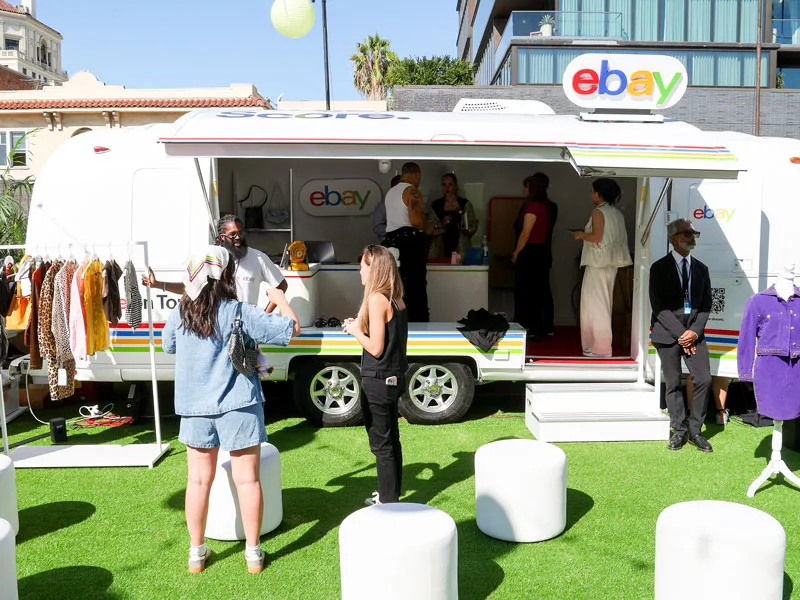
The professionalization of the resale sector has been instrumental in its mainstream adoption. Modern recommerce platforms are characterized by sophisticated technology, user-friendly interfaces, and a strong emphasis on building consumer trust. Platforms like Depop have revolutionized fashion resale by integrating social media-like discovery features with e-commerce functionality. Vestiaire Collective has cultivated a reputation for its rigorous authentication of luxury fashion items, while Vinted, ThredUp, and eBay have expanded their certified pre-owned programs, further cementing the legitimacy and accessibility of the resale market within the broader retail ecosystem.
At the core of this evolution lies technological innovation, not merely as a feature but as a foundational enabler. Artificial intelligence (AI) is now employed to enhance the shopping experience, assisting users in finding specific items, suggesting relevant products, facilitating dynamic pricing, and curating highly personalized recommendations. Advanced logistics systems streamline the buying and selling process, offering integrated solutions for shipping, returns, and efficient reverse supply chain management. Furthermore, many platforms are leveraging expert authentication teams and blockchain technology to provide verifiable provenance for high-value goods. These integrated innovations have systematically dismantled the friction and skepticism that once characterized second-hand shopping, imbuing the resale market with a level of polish and professionalism commensurate with traditional retail.

For the investment community, the burgeoning resale and circular economy represents a compelling market opportunity with substantial long-term value potential. The sector’s attractiveness stems from its dual appeal of robust growth prospects and strong Environmental, Social, and Governance (ESG) credentials. Venture capital and private equity firms are increasingly directing capital towards businesses that focus on extending product lifespans through refurbishment and repair models. These ventures not only generate attractive financial returns but also demonstrably contribute to sustainability objectives. The investment thesis is straightforward: as global resources become increasingly constrained and regulatory frameworks governing waste and emissions intensify, circular business models are strategically positioned for superior performance. The inherent resilience of the sector during economic downturns, buoyed by consistent consumer demand for value, further enhances its investment profile, presenting a rare combination of defensive stability and growth potential.
Investment strategies are now keenly focused on scalable, technology-led platforms that optimize circularity across diverse sectors, including fashion, electronics, and furniture. By supporting these enterprises, investors can future-proof their portfolios against evolving consumer expectations and increasing regulatory pressures. The circular economy is increasingly demonstrating that profitability and corporate responsibility are not mutually exclusive, a proposition that resonates strongly with the modern financial sector.
Established retailers are also grappling with and adapting to this transformative shift, recognizing both the challenges and opportunities presented by the resale revolution. Traditional linear business models, predicated on a cycle of selling, discarding, and repurchasing, are becoming increasingly misaligned with contemporary consumer expectations and corporate sustainability commitments. In response, many brands are actively integrating resale and repair services directly into their operational frameworks. Patagonia’s Worn Wear program, IKEA’s product buy-back initiatives, and the certified pre-owned collections from luxury houses like Gucci and Burberry exemplify this strategic pivot towards more circular retail practices. These endeavors not only extend the lifespan of products but also unlock new revenue streams. By managing resale activities within their own brand ecosystems, retailers gain greater control over product quality and can capture residual value that might otherwise be lost to third-party marketplaces. This integrated approach also provides brands with a tangible means to demonstrate progress against their sustainability targets, a factor of growing importance to both investors and consumers.
Despite its rapid expansion, the sustained success of the resale sector fundamentally hinges on the bedrock of trust. The persistent challenge of counterfeit goods and product misrepresentation remains a significant concern, particularly within the luxury and electronics segments. Marketplaces that prioritize and invest heavily in robust authentication and verification processes are poised for enduring success. Advanced AI algorithms capable of identifying subtle anomalies in product imagery, blockchain-enabled provenance tracking, and specialized teams dedicated to inspecting and certifying items prior to listing are rapidly becoming industry benchmarks. These comprehensive measures serve not only to safeguard consumers but also to protect the brand integrity of retailers venturing into the pre-owned market. The integration of insurance solutions further bolsters this framework, offering financial protection against potential issues such as counterfeiting, misrepresentation, or product defects.
Consumers are increasingly seeking assurance that their purchases, whether refurbished electronics, pre-owned luxury handbags, or vintage furniture, are adequately protected. The insurance industry is responding by developing bespoke products tailored to these specific needs, covering a range of risks including counterfeiting, misrepresentation, and latent faults. Companies such as Bolttech, Cover Genius, and Embri are collaborating with marketplaces and retailers to offer embedded insurance solutions, simplifying access to coverage at the point of sale. Platforms like Oyster integrate protection plans directly into their online checkout processes, providing buyers with reassurance without adding complexity. By offering this crucial safety net, insurers play a vital role in legitimizing the resale sector, encouraging consumers to engage with higher-value second-hand items with greater confidence. For marketplaces, the provision of embedded insurance has emerged as a key differentiator, fostering trust and enhancing user peace of mind. In the United Kingdom, for instance, Back Market offers protection for refurbished mobile devices against damage. Katy Medlock, the General Manager, highlights the ongoing effort to build confidence: "While the refurbished tech movement is growing in the UK, many people still consider pre-loved gadgets a risk. Our insurance is part of an ongoing commitment and we hope this will give more customers peace of mind that their refurbished device is covered and the confidence to swap something ‘new’ for something that’s ‘like new’.”
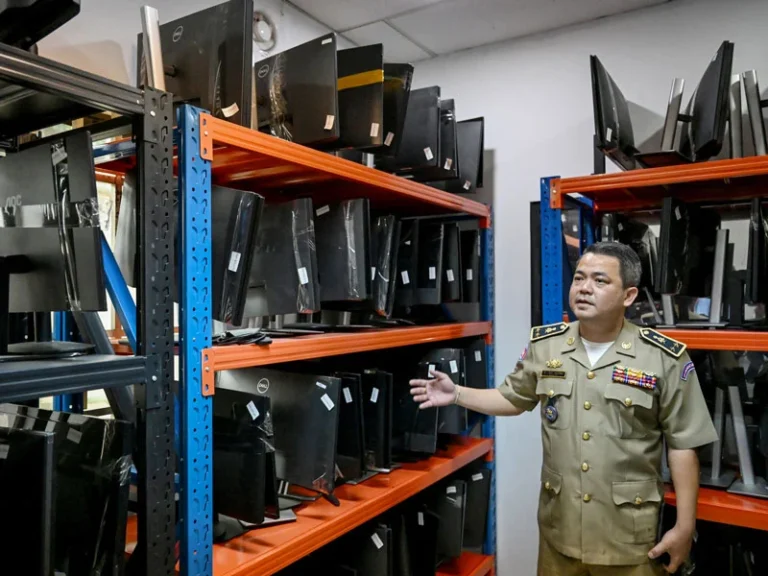
The environmental benefits of the resale market are undeniably significant. Extending product lifespans directly reduces the imperative for new manufacturing, thereby conserving raw materials and substantially cutting carbon emissions. This impact is particularly pronounced in industries with a high resource footprint, such as fashion, which is estimated to contribute around 10% of global emissions, and electronics, where production demands considerable energy and mineral extraction. Purchasing a refurbished smartphone or laptop, for example, effectively bypasses the substantial carbon footprint associated with producing a brand-new unit, a compelling advantage for environmentally conscious consumers.

However, the inherent sustainability of the resale sector is not guaranteed. The emergence of "fast resale," characterized by the rapid turnover of second-hand goods driven by trends and social media influence, can inadvertently encourage overconsumption rather than acting as a genuine substitute for new purchases. In such scenarios, the realized environmental benefits may be diluted. True sustainability within the recommerce space necessitates high-quality refurbishment processes and robust systems that prioritize reuse over premature replacement. The most responsible market participants are actively addressing this, investing in transparent supply chains and low-carbon logistics. Their ongoing challenge lies in ensuring that the circular economy remains genuinely circular, rather than evolving into a new iteration of fast consumption cloaked in greener branding.
As the resale market matures into a significant global industry, increased regulatory scrutiny is an inevitable development. Variations in warranty regulations and return policies across different jurisdictions can create consumer confusion and impede cross-border trade. A move towards greater standardization would undoubtedly benefit both consumers and platforms, simplifying compliance and fostering a more unified and trustworthy market environment. Another significant operational challenge lies in logistics. Effectively managing returns and restocking processes introduces both cost and complexity. The development of efficient reverse supply chains, capable of collecting and redistributing products at scale, is critical for maintaining profitability. The entities that will ultimately thrive in this evolving landscape will be those that master operational efficiency alongside robust consumer engagement strategies.
The trajectory of the resale market points towards sustained and accelerated growth. A confluence of increasing consumer awareness regarding sustainability and the continuous advancement of technological capabilities is rendering second-hand goods increasingly desirable. For marketplaces, the strategic imperative is to scale responsibly, harmonizing convenience with credibility and integrating purpose with profit. For traditional retailers, the fundamental challenge lies in embedding circularity as an intrinsic and structural component of their business models.
Those entities that successfully navigate this paradigm shift will redefine the very concept of ownership, transforming products from ephemeral commodities into enduring assets capable of multiple lifecycles. The future of consumption will not be dictated by an unending cycle of replacement but by a continuous process of renewal. The ascendance of the resale market powerfully illustrates that extending the functional life of products is not only environmentally sound but also economically advantageous. With clothing resale sales reaching $197 billion last year and projected to hit $350 billion by 2028, complemented by multi-billion-dollar valuations for refurbished technology platforms, the financial metrics are compelling. Beyond these figures lies a more profound evolution: a fundamental reimagining of the consumer economy that places a premium on longevity over disposability, and purpose alongside profit. Companies that recognize and proactively adapt to this transformative wave will undoubtedly shape the next era of retail.