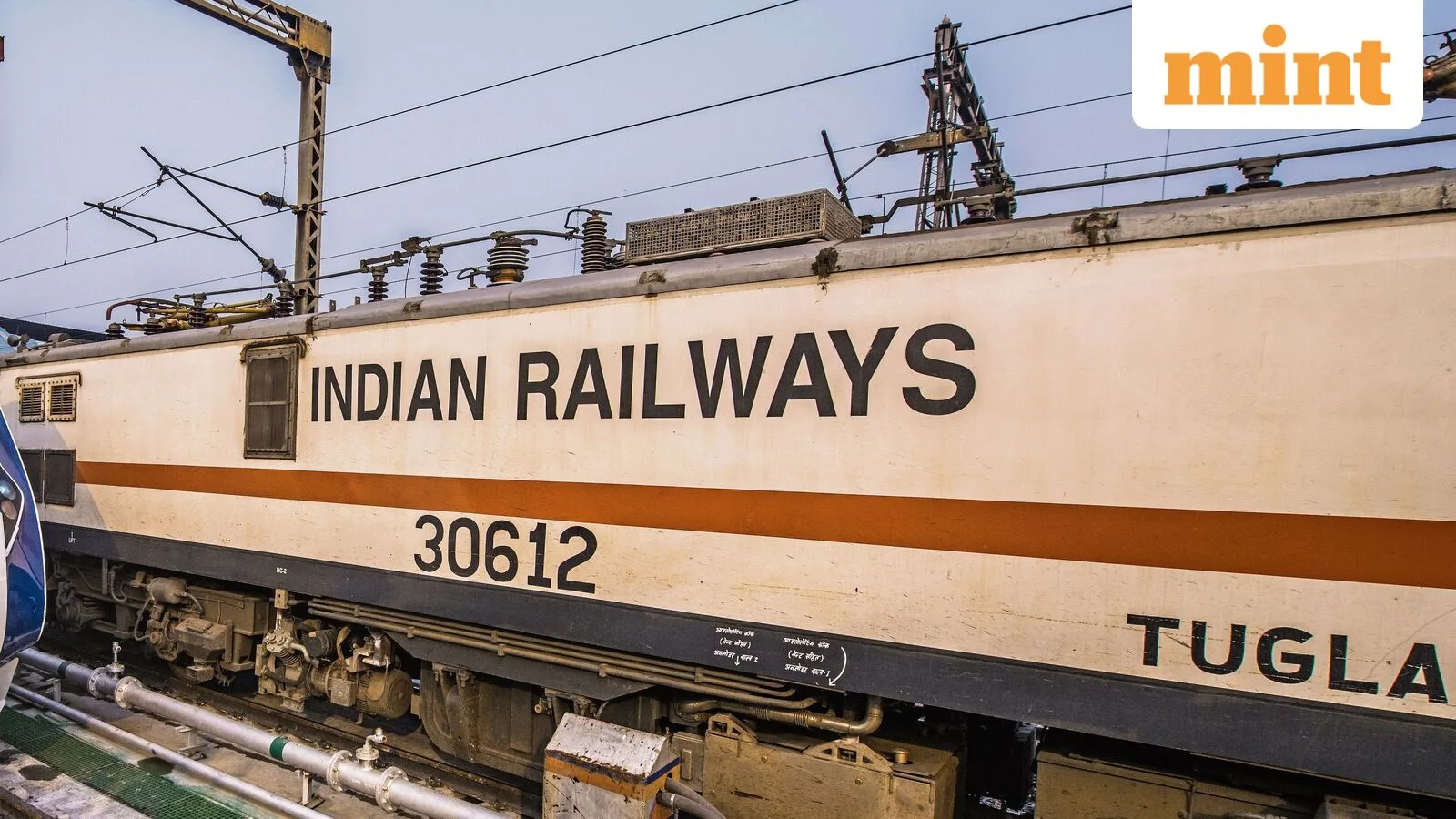
The national carrier, Indian Railways, has reinforced its commitment to public welfare and passenger experience through a significant two-pronged policy thrust: a comprehensive ban on advertisements for alcoholic beverages and tobacco products across its vast network, coupled with a rigorous crackdown on service quality deficiencies, particularly in catering. This strategic realignment underscores a pivotal shift towards prioritizing public health and passenger satisfaction, even as the railway system aggressively pursues non-fare revenue streams crucial for its modernization and expansion. The directive explicitly prohibits the display of objectionable content, including all forms of alcoholic drinks, cigarettes, bidis, and other tobacco items, from being showcased within railway stations and aboard trains, aligning with broader national public health objectives.
This advertising prohibition is not merely an internal guideline but a reinforcement of existing legal frameworks designed to curb the promotion of harmful substances. Indian law, particularly the Cigarettes and Other Tobacco Products Act (COTPA), 2003, already imposes strict regulations on tobacco advertising, promotion, and sponsorship. By extending these prohibitions to its extensive physical and digital advertising assets, Indian Railways positions itself as a responsible public entity actively contributing to national health campaigns. Public health advocates have long argued for such measures, citing research indicating a strong correlation between exposure to alcohol and tobacco advertising and increased consumption rates, especially among younger demographics. Globally, many public transport networks, from London Underground to New York’s MTA, have implemented similar bans, reflecting an international consensus on the ethical responsibilities of public spaces in influencing consumer behavior. This move by Indian Railways places it firmly within this global trend of responsible advertising stewardship.
The implementation of this policy operates within the broader framework of Indian Railways’ Non-Fare Revenue (NFR) policies, designed to diversify its income beyond ticket sales. These policies include extensive opportunities for Out-of-Home (OOH) advertising in station circulating areas and the innovative Rail Display Network (RDN) for digital advertising via screens and display systems. Additionally, mobile assets like the interiors and exteriors of trains and coaches have been leveraged for branding initiatives. However, the new directive imposes a crucial filter on these revenue streams. While the "brand selection for display of advertisement is the advertising agency’s prerogative," as per official statements, agencies are now explicitly mandated to strictly adhere to all Central and State Laws governing advertising content. This necessitates prior approval for every advertising plan from the Divisional Authority of the concerned Railway Division, with swift corrective action promised for any violations. The challenge for Indian Railways will be to balance the potential revenue loss from these lucrative, albeit restricted, categories with the enhanced public image and health benefits derived from the ban. Industry analysts suggest that while alcohol and tobacco represent significant ad spend, the vast and growing Indian consumer market offers ample opportunities for brands in other sectors—such as technology, lifestyle, tourism, and financial services—to utilize the unparalleled reach of the railway network.

Beyond advertising, Indian Railways has simultaneously intensified its focus on service quality, particularly concerning catering, a critical component of the passenger experience. This renewed scrutiny was highlighted by a recent punitive action against its subsidiary, the Indian Railway Catering and Tourism Corporation (IRCTC), following a passenger complaint regarding food quality. A substantial penalty of ₹10 lakh was levied on IRCTC in response to a formal grievance about the standard of meals served on the Patna-Tatanagar Vande Bharat Express on March 15. Furthermore, the specific service provider implicated in the incident faced an even more severe consequence: a ₹50 lakh punitive charge and a directive for the termination of their contract. Such decisive action signals a zero-tolerance approach to lapses in passenger service, aiming to rebuild and fortify trust in the catering provisions across the network.
The scale of IRCTC’s catering operations is immense, serving approximately 58 crore meals annually across the extensive Indian Railways network. Given this vast volume, the reported grievance rate, averaging a minimal 0.0008% (a figure that also incorporates complaints related to excessive pricing), might appear statistically insignificant. However, the ministry’s robust response to even a single complaint underscores a strategic pivot towards a more passenger-centric approach. This low percentage, while seemingly positive, also raises questions among some consumer advocates about potential underreporting or the accessibility of grievance mechanisms for all passengers. Nevertheless, the proactive imposition of penalties totaling ₹2.6 crore over the past three years, subsequent to investigations into various reports, demonstrates a consistent effort to enforce accountability. These actions extend beyond food quality, addressing incidents such as three documented physical confrontations between pantry car employees and travelers during 2025, which led to criminal proceedings initiated against the implicated catering staff by Government Railway Police units.
The heightened oversight of catering services reflects a broader ambition to elevate the overall travel experience on Indian Railways, particularly as it introduces premium services like the Vande Bharat Express, which are designed to rival air travel in terms of comfort and efficiency. Ensuring high standards in food quality, hygiene, and staff conduct is paramount to maintaining the brand image and passenger confidence for these modern trains. This also puts immense pressure on IRCTC and its network of private vendors to implement stringent quality control measures, invest in staff training, and embrace technology for better monitoring and feedback collection. The penalties serve not only as a deterrent but also as a clear message that profitability cannot compromise fundamental service quality. For catering contractors, this necessitates a re-evaluation of their operational protocols, supply chain management, and employee welfare to ensure compliance and avoid severe financial repercussions and contract terminations.
In essence, Indian Railways is embarking on a dual transformation journey. On one hand, it is embracing its role as a steward of public health, consciously limiting its exposure to potentially harmful product advertising and foregoing a segment of lucrative ad revenue. This aligns with a global movement towards corporate social responsibility and ethical marketing within public infrastructure. On the other hand, it is rigorously asserting its commitment to passenger satisfaction by implementing stringent quality controls and punitive measures against service providers who fail to meet prescribed standards. This holistic approach, encompassing both ethical advertising and enhanced service delivery, is critical for modernizing the railway system, improving its public perception, and ensuring its continued relevance as the backbone of India’s transport infrastructure. The coming years will reveal how effectively Indian Railways can navigate the complexities of revenue generation, public health mandates, and the ever-increasing expectations of its millions of daily passengers.