For decades, the concept of protein in India was largely confined to specialized dietary niches, primarily associated with the intense regimens of bodybuilders or the specific medical directives of clinical nutritionists. Today, this perception has undergone a profound transformation, positioning protein as an indispensable component of the mainstream Indian diet. This shift is palpable across demographics, from adolescents undergoing growth spurts and women in their prime actively managing their nutritional intake, to seniors seeking to maintain muscle mass and vitality. The boardroom discussions in India’s bustling metropolises, alongside the evolving consumption patterns in its rapidly urbanizing Tier-2 and Tier-3 cities, underscore a clear trend: protein is shedding its "supplement" label to become an everyday nutritional essential.
This burgeoning demand is propelled by a confluence of factors, notably a post-pandemic surge in preventive wellness consciousness and the rising influence of a digitally native generation increasingly informed about health and nutrition. Industry projections paint a robust picture for India’s protein market, estimating its valuation at USD 1.52 billion in 2025, with a trajectory to reach USD 2.08 billion by 2030, reflecting a steady Compounded Annual Growth Rate (CAGR) of 6.5 percent. This growth trajectory, while significant, is still nascent when compared to more developed markets, hinting at substantial untapped potential. For context, the global protein ingredients market is projected to reach over USD 80 billion by 2028, demonstrating the universal appeal and economic heft of this dietary component. India’s burgeoning middle class, coupled with its vast population, positions it as a critical growth engine for this global trend.
The scientific understanding underpinning protein’s role has moved far beyond its initial association with muscle hypertrophy. As consumers become increasingly health-literate, there’s a growing appreciation for protein’s multifaceted biological functions. It is now widely recognized as crucial for bolstering immunity, facilitating tissue repair, regulating metabolism, and enabling efficient nutrient transport throughout the body. This comprehensive understanding anchors the current protein surge in biological necessity rather than fleeting dietary fads. As Jayen Mehta, Managing Director of Amul (GCMMF), succinctly puts it, "Protein has become mainstream now and now each one of us right from senior citizens to kids, everybody is talking about getting the right amount of protein every day."
Empirical data reinforces this shift from academic discourse to active consumer behavior. Approximately 74 percent of Indian consumers now actively scrutinize product packaging for "health claims," with protein content frequently topping their checklist. This consumer vigilance is complemented by a rapidly expanding fitness ecosystem, which provides the physical infrastructure for this wellness revolution. The number of gyms across India reached an impressive 64,148 in 2023, indicative of a society increasingly investing in physical well-being. However, the motivation behind this investment is evolving. Consumers are not solely pursuing an athletic physique; rather, a deeper impetus drives their choices – the desire to age gracefully, enhance overall resilience, and proactively manage long-term health.
A fundamental reason for this heightened focus on protein within the Indian dietary landscape stems from the inherent nature of traditional Indian cuisine. While celebrated globally for its rich flavors and diversity, many staple Indian meals, particularly vegetarian ones, tend to be carbohydrate-heavy and protein-deficient. With an estimated 36-38 percent of India’s population identifying as vegetarian, this demographic faces a particular challenge in meeting daily protein requirements through conventional meals alone. Krutin Chaturvedi, Director of Halewood Laboratories, a new-age brand in the ready-to-drink segment, observes, "Though I consider Indian food to be one of the most tastiest foods in the world, the amount of protein you get out of that food is very less. For vegetarians, it is more carbohydrates driven than protein… That is where the additional factor of the protein powders or drinks come into picture. Specialised high protein have emerged as a support system, helping all of us to actively look after our health." This dietary imbalance has historically contributed to India’s significant "protein gap," where average protein intake often falls below recommended daily allowances of approximately one gram of protein per kilogram of body weight. The rise of fortified foods and protein supplements directly addresses this nutritional deficit.
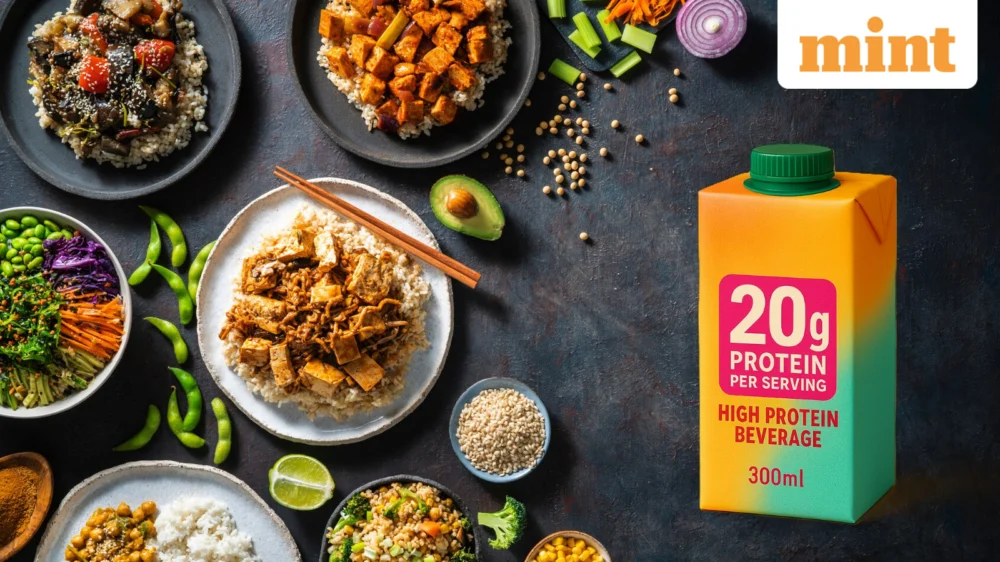
While protein powders have long been a staple for those seeking to augment their protein intake, the most dynamic segment attracting significant investor interest and innovation from Fast-Moving Consumer Goods (FMCG) giants is functional and fortified beverages. In 2023, the volume of functional drinks consumed in India reached a staggering 17.4 billion liters, signaling a massive market appetite. The appeal of these ready-to-drink formats is multi-fold: unparalleled convenience, precise dosage, and increasingly, superior taste profiles. Chaturvedi highlights these advantages: "Convenience is one of the most important factors for the growing popularity of ready-to-drink protein beverages. Second is getting the dosage right and third is superior taste." Unlike powders that require measuring and mixing, pre-formulated ready-to-drink options eliminate hassle, catering perfectly to the modern, on-the-go lifestyle.
From a business perspective, nutritional beverages offer a premium runway with higher margins and stronger consumer stickiness compared to traditional carbonated drinks, which typically operate in a high-volume, lower-margin environment. Globally, a significant 59 percent of consumers express a preference for liquid formats when it comes to supplements, citing "on-the-go" practicality and ease of digestion as primary drivers. This global trend finds a strong resonance in India, where consumers are increasingly willing to pay a premium for health-enhancing convenience. The advent of sophisticated packaging solutions, such as aseptic Tetra Pak cartons, further enhances the appeal by ensuring product safety, extending shelf life, and facilitating widespread distribution without the need for extensive cold chain infrastructure for all products.
The charge into this burgeoning market is being led by a diverse mix of legacy players and agile new entrants. Amul, India’s venerable dairy cooperative powerhouse, exemplifies the strategy of democratizing high-protein intake. Leveraging its extensive milk procurement network and established brand trust, Amul focuses on delivering value-for-money protein solutions to the masses. Their product portfolio has expanded significantly to include high-protein shakes, yogurts, and even innovative offerings like a high-protein atta (flour), launched in early February, with a 165-gram sachet providing 20 grams of protein. Mehta emphasizes Amul’s educational approach: "At Amul, we are not just selling the products which are high in protein. What we also trying to sell as a concept is the Maths that each one of us requires one gram of protein per kg of body weight every day. So, that’s where common people come in." This strategy combines product innovation with consumer education, fostering greater awareness and adoption.
On the other end of the spectrum, innovative brands like Halewood Laboratories are carving out specialized niches with offerings such as their Pro-rush beverage range, which delivers 10-15 grams of protein in a convenient 200ml Tetra Pak. These specialized brands often target specific consumer segments or lifestyle needs, focusing on flavor, formulation, and portability. The market is also seeing the entry of numerous startups, many specializing in plant-based proteins, catering to the growing vegan and flexitarian populations, and diversifying the protein source landscape beyond traditional dairy and animal products.
Despite the undeniable momentum, the path ahead for India’s protein market is not without its challenges. Maintaining a robust and efficient supply chain, particularly for sourcing high-quality protein ingredients like whey or various plant proteins, remains critical. Formulating products that achieve the highest possible protein content while simultaneously ensuring superior taste and acceptable texture is a complex R&D challenge, especially for smaller brands or new entrants. Price sensitivity continues to be the most significant barrier to mass adoption across a diverse socio-economic landscape. For the market to fully realize its projected USD 2 billion potential and beyond, strategies to enhance affordability without compromising quality are paramount.
Addressing these challenges will require a concerted effort. Cassio Simoes, Managing Director, Tetra Pak South Asia, highlights the technical expertise required: "As the protein category accelerates, having the right know-how – from ingredient behavior and powder formulation to advanced processing technologies and the most effective packaging solutions – is absolutely critical for food and beverage companies to capture this opportunity." He adds that robust capabilities spanning raw material characterization, pilot-scale simulation, full-scale process optimization, and advanced packaging expertise are essential for brands to move from concept to commercial launch with confidence, efficiency, and speed.
Furthermore, public-private collaborations will be instrumental in scaling quality, affordability, and safety standards across the industry. Investment in research and development, particularly in exploring novel plant-based and alternative protein sources, offers vast scope for innovation. Initiatives like the Centre for Smart Protein & Sustainable Material Innovation, launched in 2024, are crucial for fostering breakthroughs in sustainable protein solutions, which can reduce reliance on traditional animal agriculture and address environmental concerns. This diversification will be key to meeting the protein needs of India’s massive and growing population in an environmentally conscious manner.
The economic implications of this protein revolution extend beyond direct market sales. It promises to stimulate job creation across manufacturing, R&D, logistics, and retail sectors. Increased demand for specific agricultural produce for plant-based proteins could also provide new opportunities for farmers. Critically, by addressing the national "protein gap," India stands to significantly improve public health outcomes, potentially leading to reduced healthcare burdens and a more productive workforce. This aligns perfectly with broader national health and economic development goals.
All indicators suggest that India’s "Protein Moment" has indeed arrived, marking a pivotal shift in the nation’s dietary habits and economic landscape. For brands that can skillfully balance functional efficacy with appealing flavors, premium positioning with accessible pricing, and innovative products with convenient formats, the rewards will be as robust and enduring as the healthier, more resilient consumers they aim to serve. The journey from niche to nutritional necessity is well underway, promising a transformative impact on India’s future well-being and its position in the global food market.