The Indian film industry, particularly Bollywood, finds itself at a critical juncture where creative ambition collides with increasingly stringent intellectual property (IP) enforcement, highlighted by a surge in litigation surrounding "spiritual sequels." This phenomenon, where new films evoke the tone, theme, or character archetypes of a prior successful movie without being a direct narrative continuation, has become a double-edged sword: a marketing boon in a competitive market, yet a significant legal liability if not handled with meticulous IP foresight. The recent legal challenges faced by prominent filmmakers and production houses underscore a fundamental shift in how commercial rights, brand goodwill, and creative lineage are perceived and protected within the multi-billion-dollar entertainment ecosystem.
The allure of the "spiritual sequel" is undeniable in a market grappling with audience fragmentation and box office unpredictability. Leveraging the nostalgia and established brand equity of a past hit offers a perceived shortcut to audience recognition and commercial viability. Filmmakers often aim to tap into the emotional resonance of a beloved story or character, hoping to replicate success without being constrained by an existing narrative arc. This strategy has seen a proliferation of films marketed with implied connections, such as the Bhool Bhulaiyaa franchise, Metro..In Dino, and Dhadak 2, many of which have been backed by their original producers, thereby sidestepping potential disputes. However, when a new project ventures into this territory without the explicit involvement or licensing from the original rightsholders, the commercial calculation quickly transforms into a legal minefield.
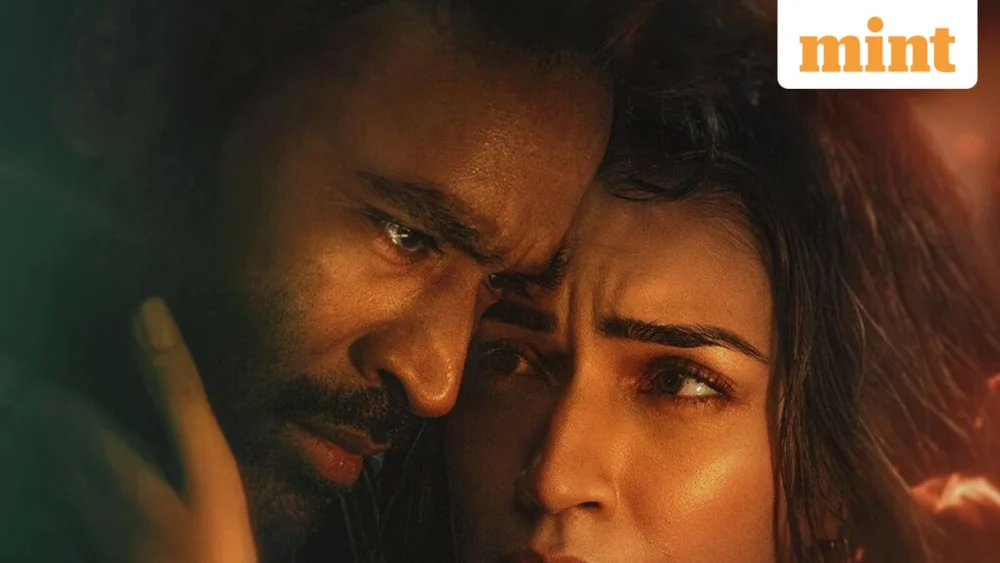
A prominent instance demonstrating this escalating tension involves Eros International Media, a major production and distribution house, which has initiated a commercial IP suit in the Bombay High Court against acclaimed filmmaker Aanand L Rai and his production entity, Colour Yellow Media Entertainment LLP. The suit alleges trademark and copyright infringement concerning Rai’s upcoming film, Tere Ishk Mein. Eros contends that the film is being projected as a spiritual successor to their highly successful 2013 venture, Raanjhanaa, also directed by Rai. This case highlights a critical area of dispute: whether a director, even one associated with the original work, can unilaterally create a follow-up that leverages the original’s goodwill without the consent of the IP owner.
Parallel to this, the Delhi High Court previously intervened in 2024, issuing a restraining order against T-Series, a titan in Indian music and film production, preventing it from utilizing titles like Tu Hi Aashiqui, Tu Hi Aashiqui Hai, and Aashiqui for a forthcoming romantic drama. This ruling favored Vishesh Films, the production banner of Mukesh Bhatt, which pioneered the iconic Aashiqui franchise. T-Series had intended its new project to be a spiritual sequel to the much-loved romantic musical series, but its attempts to capitalize on the established brand name without securing the necessary rights led to legal prohibition, illustrating the robust protection afforded to established film franchises.

Intellectual property experts across India emphasize that while creative inspiration is boundless, commercial exploitation of established film properties is not. Alay Razvi, Managing Partner at Accord Juris, notes that films positioned as spiritual sequels without the original producer’s involvement face significant legal exposure under Indian IP law. The most immediate threat is trademark infringement, especially when the original film’s title or franchise is registered and enjoys strong public association, as evidenced by the Aashiqui litigation. Even if titles differ, the original producer can successfully claim "passing off" if marketing, promotions, or narrative elements create an impression of continuity or endorsement, thereby misleading the audience and unfairly benefiting from the original’s popularity.
Beyond titles, copyright issues typically arise not from shared themes or genres, which are generally not protectable, but from alleged replication of distinctive characters, unique narrative arcs, or specific musical elements. Razvi explains that disputes, such as those concerning Tere Ishk Mein, compel courts to scrutinize whether similarities transcend mere inspiration and delve into substantial reproduction of protectable elements. Such legal confrontations often lead to severe consequences, including cease-and-desist orders, injunctions that halt production or release, and substantial damages claims, inflicting significant financial and reputational harm on the infringing party.
Girish Johar, a film producer and industry analyst, highlights the irony that the term "spiritual sequel" itself was initially coined to navigate around direct copyright disputes. However, this marketing construct holds no recognized legal meaning in copyright or trademark law, as pointed out by Ankit Sahni, a partner at Ajay Sahni & Associates. He asserts that once a film positions itself as emotionally, narratively, or brand-wise connected to a prior successful film, it automatically triggers potential legal issues—ranging from trademark and copyright infringement to unfair competition—unless the underlying rights are unequivocally owned or licensed.
The commercial value inherent in successful films extends far beyond their initial box office run. Studios increasingly view hit films as invaluable IP assets, encompassing goodwill, title recognition, character recall, and brand association, all of which carry measurable commercial value. Sahni stresses that if a third party attempts to monetize this value without authorization, the original rightsholder is almost certain to intervene to protect their investment and brand equity. Courts, in such cases, meticulously examine whether promotional language, character arcs, visual cues, or story scaffolding create a likelihood of consumer confusion or misrepresentation regarding the origin or association of the new film.
Historically, the industry has witnessed similar battles. Ameet Datta, founder of ADP Law Offices, recalls the 2007 dispute surrounding Ram Gopal Varma’s attempted remake of the iconic 1975 blockbuster Sholay. Initially titled Ram Gopal Varma Ke Sholay, the film was eventually re-titled Ram Gopal Varma Ki Aag and underwent significant changes following litigation. This precedent underscores that studios are historically vigilant in stopping unauthorized remakes or the use of copyrighted elements, demonstrating a long-standing commitment to IP protection that is now being applied with renewed vigor to the concept of spiritual sequels.

Given this heightened legal scrutiny, proactive and preventive legal structuring has become indispensable in film development. Law firms advising studios are now playing a more significant role well before production or promotion commences. A key step involves comprehensive pre-production IP audits, which entail reviewing scripts, character developments, music briefs, and marketing decks to identify any potential overlaps with existing films or franchises. Aishwarya Kaushiq, a partner in the disputes team of BTG Advaya, emphasizes that legal advisors must first identify the ownership of the trademark, copyright, and goodwill of the original film. If the proposed title, theme, or promotion creates any implied association with an existing feature film, filmmakers are invariably advised either to obtain explicit rights from the original rightsholders or to market the new film as identifiably distinct to avoid any ambiguity.
Ajay Khatlawala, a senior partner at Little & Co, notes that law firms now conduct enhanced title and brand clearance beyond rudimentary trademark searches. Disclaimers, while sometimes used, are recognized as insufficient to cure infringement on their own. In higher-risk scenarios, negotiated consent or licensing agreements are explored at the earliest possible stage of development. This shift signifies that preventive legal structuring is no longer an optional add-on but a standard, integral component of film production planning.
Sudeep Chatterjee, senior partner at Singh & Singh Law Firm LLP, succinctly summarizes the imperative for industry stakeholders: "For studios, the imperative is clear: register titles early, enforce them consistently, and draft contracts that explicitly define sequel and spin-off rights. For filmmakers, the safest path is to avoid suggestive marketing unless the IP chain of title is watertight." He concludes that in today’s evolving legal environment, the language of promotion can be as consequential as the script itself, primarily because IP law unequivocally treats goodwill as property, and such property cannot be borrowed or leveraged without express consent. The era of informal creative homage blurring into unauthorized commercial exploitation is rapidly drawing to a close, paving the way for a more legally formalized and strategically protected IP landscape in Indian cinema.