Less than 100 days after securing a historic landslide victory that ended 14 years of Conservative rule, Prime Minister Keir Starmer finds himself at a critical juncture, facing a week that may define the trajectory of his premiership and the stability of his government. The initial euphoria of the July election, which saw the Labour Party sweep back into power with a massive 174-seat majority, has rapidly given way to a grueling reality of fiscal constraints, internal party dissent, and a series of self-inflicted political wounds. For a leader who campaigned on the promise of "stability" and "service," the current atmosphere of crisis suggests that the honeymoon period has not just ended—it has evaporated.
The central challenge facing the Starmer administration is the reconciliation of a "change" mandate with an economic landscape characterized by stagnation and a significant fiscal deficit. Chancellor of the Exchequer Rachel Reeves has spent her first months in office framing the nation’s finances as a "black hole" of approximately £22 billion, a figure that serves as both a political weapon against the previous administration and a somber warning of the austerity-lite measures to come. This week represents a "crunch" moment because the government must now pivot from diagnosing problems to prescribing painful cures, all while attempting to maintain the cohesion of a sprawling and increasingly restless parliamentary party.
Market observers and global investors are watching London with cautious intensity. The British pound, which had shown signs of resilience following the election, now faces volatility as the City of London gauges the government’s appetite for tax hikes in the upcoming Autumn Budget. Starmer’s dilemma is profound: to stimulate the growth he has promised, he needs massive investment in infrastructure and green energy; however, to maintain the confidence of bond markets and avoid a repeat of the 2022 "mini-budget" disaster, he must demonstrate a commitment to fiscal rectitude. This balancing act is being tested as the Prime Minister attempts to sell a narrative of "short-term pain for long-term gain," a message that is proving difficult to digest for an electorate already weary from a decade of stagnant wages and a cost-of-living crisis.
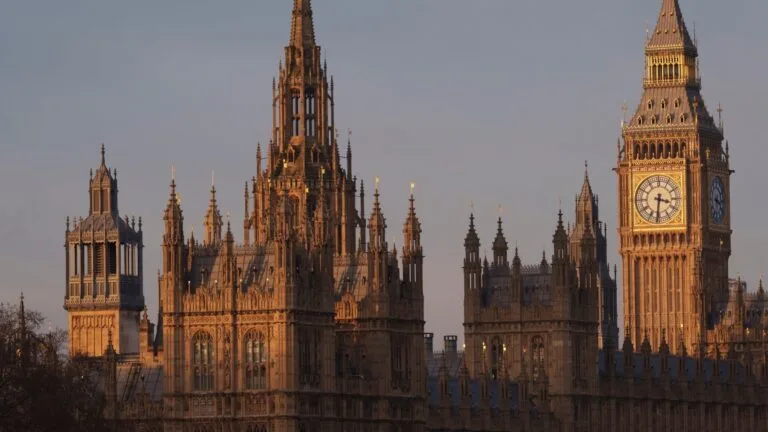
Internal pressures are mounting as the Labour backbenches begin to flex their muscles. The recent controversy over the decision to means-test the Winter Fuel Payment—a move expected to strip millions of pensioners of heating support—has become a symbolic lightning rod for discontent. While the government won the initial vote, the optics of targeting a vulnerable demographic while simultaneously grappling with reports of high-value gifts and donations to senior ministers have created a "perception gap." Critics argue that the government is risking its moral authority by imposing "tough choices" on the public while appearing to benefit from the perks of office. This week’s legislative agenda and party meetings will be a litmus test for Starmer’s ability to enforce discipline without alienating the very base that propelled him to Number 10.
Expert insights suggest that the current turbulence is a symptom of a deeper strategic vacuum. Political analysts note that while Starmer was effective at dismantling the "Tory brand," he has struggled to articulate a clear, hopeful vision of what "Labour Britain" looks like in practice. The focus on "securonomics"—a term coined by Reeves to describe a blend of state-led investment and supply-side reform—remains an abstract concept to many voters. Without a more compelling narrative, the government risks being defined by its cuts rather than its ambitions. This week, Starmer is expected to engage in a series of high-profile interventions aimed at resetting the narrative, emphasizing that the "foundations" of the country must be rebuilt before growth can be realized.
On the international stage, the stakes are equally high. Starmer has spent his first months attempting a "reset" with European partners, seeking to smooth over the trade frictions caused by Brexit without rejoining the single market or customs union. However, this diplomatic charm offensive is being overshadowed by domestic instability. European leaders, dealing with their own domestic challenges—from the rise of the far-right in France and Germany to the ongoing war in Ukraine—are looking for a UK partner that is not only willing to engage but is also politically secure at home. A weakened Starmer, distracted by internal party revolts and plummeting approval ratings, will find it harder to negotiate the "better deal" he promised the British public.
The economic impact of the current political climate cannot be understated. Business confidence, which saw a modest uptick in the third quarter, is beginning to plateau. Corporate leaders are seeking clarity on the government’s industrial strategy and its plans for planning reform, which Starmer has identified as the "engine of growth." Yet, if the government is bogged down in "crunch weeks" and scandal management, the legislative momentum required to unlock private investment may stall. Statistics from the Office for National Statistics (ONS) already indicate a fragile recovery, with GDP growth remaining tepid. Any further delay in implementing structural reforms could see the UK fall further behind its G7 peers in the race for green technology and digital innovation.
Comparison with other global leaders offers a sobering perspective. In the United States, the Biden-Harris administration has utilized massive state subsidies through the Inflation Reduction Act to drive industrial renewal, albeit at the cost of significant debt. In contrast, the Starmer government is attempting a "growth without spending" model, relying heavily on regulatory reform and the hope that political stability alone will attract capital. This is a high-risk strategy. If the stability is perceived as fleeting, the capital will remain on the sidelines. The "crunch" Starmer faces is therefore not just about surviving a news cycle, but about proving that his government can govern effectively under the scrutiny of global markets.
The ethics row surrounding donations—ranging from designer clothing to high-end hospitality—has added a layer of personal vulnerability to Starmer’s leadership. For a politician who built his reputation as a "Mr. Clean" former Director of Public Prosecutions, the headlines have been damaging. While no rules were technically broken, the contrast between the Prime Minister’s lifestyle and the "tough choices" he demands of the public has provided an easy target for a reorganized opposition and a cynical press. This week, the pressure to reform ministerial gift rules and provide greater transparency will be a primary focus, as Starmer attempts to bridge the gap between his administration’s conduct and its rhetoric of "integrity."
Looking ahead, the road to the October Budget is paved with political landmines. The government must find a way to fund the NHS, which remains in a state of perennial crisis, while also addressing the crumbling school infrastructure and the "black hole" in local government finances. There is a growing consensus among economic commentators that the government may have to reconsider its self-imposed "fiscal rules" or risk a total collapse of public services. However, any deviation from fiscal conservatism would likely trigger a backlash from the Treasury and the financial markets.
Ultimately, this "crunch week" is a battle for the soul of the Starmer premiership. It is a test of whether he can transition from a successful campaigner to a transformative statesman. The Prime Minister’s allies insist that the current difficulties are merely "growing pains" of a new administration taking over a broken system. His detractors, however, see a leader out of his depth, struggling to manage the competing demands of his party, the public, and the markets. As the week unfolds, the decisions made in the corridors of Westminster will reverberate far beyond the UK’s borders, signaling whether the "new era" of British politics is one of genuine renewal or merely a continuation of the volatility that has characterized the last decade. The margin for error has never been thinner, and the cost of failure has never been higher for a government that promised to be the "adults in the room."