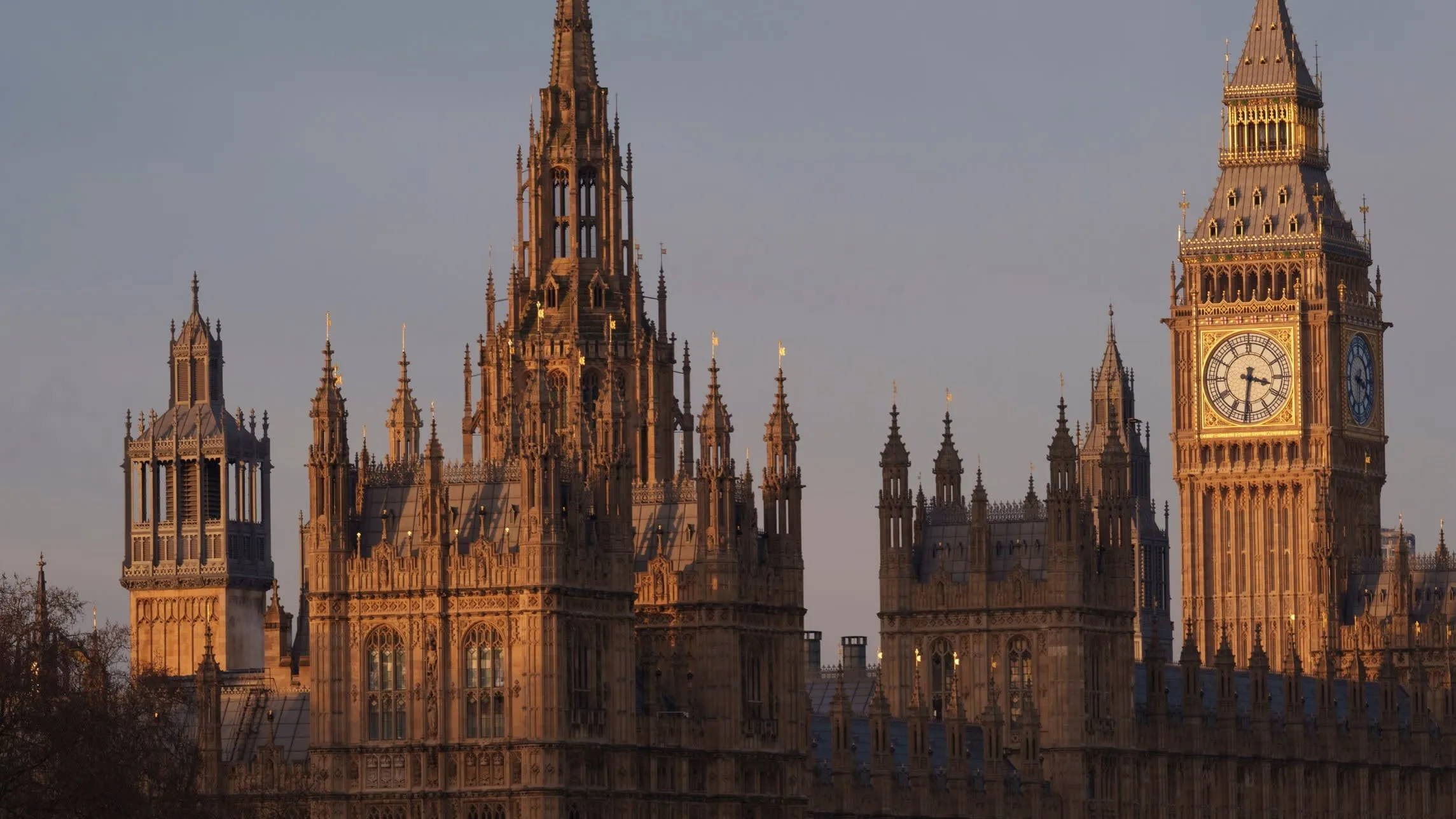
The landscape of British political financing is standing on the precipice of its most significant transformation in a generation, as the government moves to close long-standing loopholes that have allowed anonymous "dark money" to flow into party coffers. Under a sweeping set of proposed reforms, the United Kingdom is preparing to mandate that companies must identify the specific individuals behind their political donations. This shift represents a fundamental departure from the current regulatory framework, where corporate entities can often shield the ultimate source of funds, effectively bypassing the transparency requirements intended to prevent undue influence from wealthy individuals or foreign actors.
For decades, the Political Parties, Elections and Referendums Act 2000 (PPERA) has served as the bedrock of the UK’s campaign finance laws. However, critics and transparency advocates have long argued that the system is riddled with "permissible donor" loopholes. Currently, any company registered in the UK that carries on business within the country can donate to a political party. While the company’s name is recorded by the Electoral Commission, the "beneficial owners"—the human beings who actually control the money and dictate the company’s spending—can remain hidden behind a corporate veil. The new proposals aim to pierce this veil, requiring a "true donor" test that would force the disclosure of the natural person providing the capital for any corporate contribution.
The economic implications of this move are multi-layered, touching on corporate governance, shareholder rights, and the UK’s standing as a global hub for transparent finance. From a business perspective, the requirement to name individual donors adds a new dimension to the "S" and "G" (Social and Governance) components of Environmental, Social, and Governance (ESG) reporting. Large institutional investors are increasingly viewing political spending as a material risk. When a company makes a political donation, it is spending shareholder capital; if that donation is traced back to a controversial individual or a specific executive’s personal agenda, it can lead to reputational damage that impacts stock valuation and brand equity.
The push for transparency comes amid a broader global crackdown on opaque financial structures. Since the invasion of Ukraine and the subsequent scrutiny of "Londongrad," the UK government has faced intense pressure to clean up its financial systems. The introduction of the Register of Overseas Entities and the tightening of the Economic Crime and Corporate Transparency Act have already begun to squeeze the space available for anonymous wealth. Extending these principles to political donations is seen by many analysts as the logical next step in safeguarding the integrity of the British democratic process.
Market data suggests that the volume of corporate donations is significant, often reaching tens of millions of pounds during general election cycles. In the 2023 calendar year alone, political parties in the UK reported millions in donations from limited liability partnerships and private limited companies. Under the proposed rules, these entities would no longer be able to act as simple conduits. Instead, they would be required to certify that the funds being donated were generated through legitimate commercial activity in the UK and to name the individual directors or majority shareholders who authorized the payment.
The proposed changes are expected to face significant pushback from certain sectors of the business community and high-net-worth individuals (HNWIs). Critics argue that mandatory disclosure of the individuals behind corporate donations could infringe upon the right to privacy and lead to the "harassment" of donors by political opponents or activists. There is also a concern that such transparency might chill legitimate political engagement. If a CEO knows their name will be directly linked to a £50,000 donation to a specific party, they may opt to withhold the funds entirely to avoid alienating customers or employees with differing political views. This could lead to a funding vacuum, particularly for parties that rely heavily on private sector support rather than grassroots membership fees.
However, the counter-argument from transparency groups like Transparency International UK and the Electoral Reform Society is that the current system allows for a "pay-to-play" culture that erodes public trust. They point to the rise of "unincorporated associations"—groups that do not have a legal personality but can donate large sums without disclosing their members—as a primary example of how the spirit of the law is currently being circumvented. By requiring companies to identify the human beings behind the money, the government hopes to eliminate the possibility of foreign entities using UK-registered shell companies to funnel money into British elections, a practice that intelligence committees have warned poses a threat to national security.
In a global context, the UK’s move would bring it closer to the stringent transparency models seen in Northern Europe, while distancing it further from the "Super PAC" model of the United States. In the US, the 2010 Citizens United Supreme Court decision allowed for virtually unlimited corporate and union spending on political communications, often through "dark money" groups that do not disclose donors. By contrast, the UK’s proposed trajectory emphasizes that corporate personality should not be used as a shield for individual political influence. This alignment with OECD standards on combating corruption is likely to be welcomed by international monitors, even if it causes friction within domestic political circles.
The role of the Electoral Commission will be central to the success of these reforms. For years, the regulator has called for more "teeth" to investigate the true source of funds. Under the new regime, the Commission would likely be granted enhanced investigatory powers to audit corporate donations and levy heavier fines for non-compliance. Currently, the threshold for public disclosure of donations to a central party is £11,180 (adjusted for inflation). The reform could potentially lower this threshold or require more frequent reporting to prevent the "smurfing" of donations—splitting large sums into smaller, non-reportable amounts.
Economic analysts also highlight the potential for a shift in how lobbying is conducted. If direct financial contributions become more transparent and thus more politically "expensive" in terms of public relations, corporations may pivot toward other forms of influence, such as seconding staff to political parties or funding think tanks. These "in-kind" donations are already a feature of the UK system but may see a surge in popularity as businesses seek ways to maintain influence without the glare of individual-level donor disclosure.
Furthermore, the reform could spark a renewed debate over the state funding of political parties. If the "unmasking" of donors leads to a sharp decline in private contributions, the question of how to sustainably fund democratic competition will become urgent. While some European nations provide significant public subsidies to parties based on their share of the vote, the UK has traditionally resisted this, preferring a model of voluntary private support. A crisis in private funding could force a radical rethink of this philosophy, potentially leading to a system that is less dependent on the whims of wealthy individuals but more burdensome for the taxpayer.
Ultimately, the move to declare the individuals behind UK political donations reflects a changing social contract between the private sector and the state. In an era of heightened polarization and digital disinformation, the source of political funding has become as important as the amount. For the business community, the message is clear: the privilege of engaging in the political process will now come with the price of total transparency. While the transition may be administratively burdensome and politically sensitive, proponents argue it is a necessary evolution to ensure that the UK’s democracy remains "not for sale." As the legislation winds its way through Parliament, the eyes of the international community will be on London to see if it can successfully balance the protection of individual privacy with the public’s right to know who is truly pulling the financial levers of power.