The current landscape of American monetary policy is increasingly defined by a widening chasm between the Federal Reserve’s rhetoric and the skeptical reality of the fixed-income markets. Following the latest meeting of the Federal Open Market Committee (FOMC), the decision to maintain the federal funds rate at a range of 3.5% to 3.75% has sparked a significant repricing of risk across the Treasury curve. While the central bank signaled a "wait-and-see" approach, the bond market responded with a clear message: the era of verbal intervention may no longer be sufficient to anchor long-term inflation expectations.
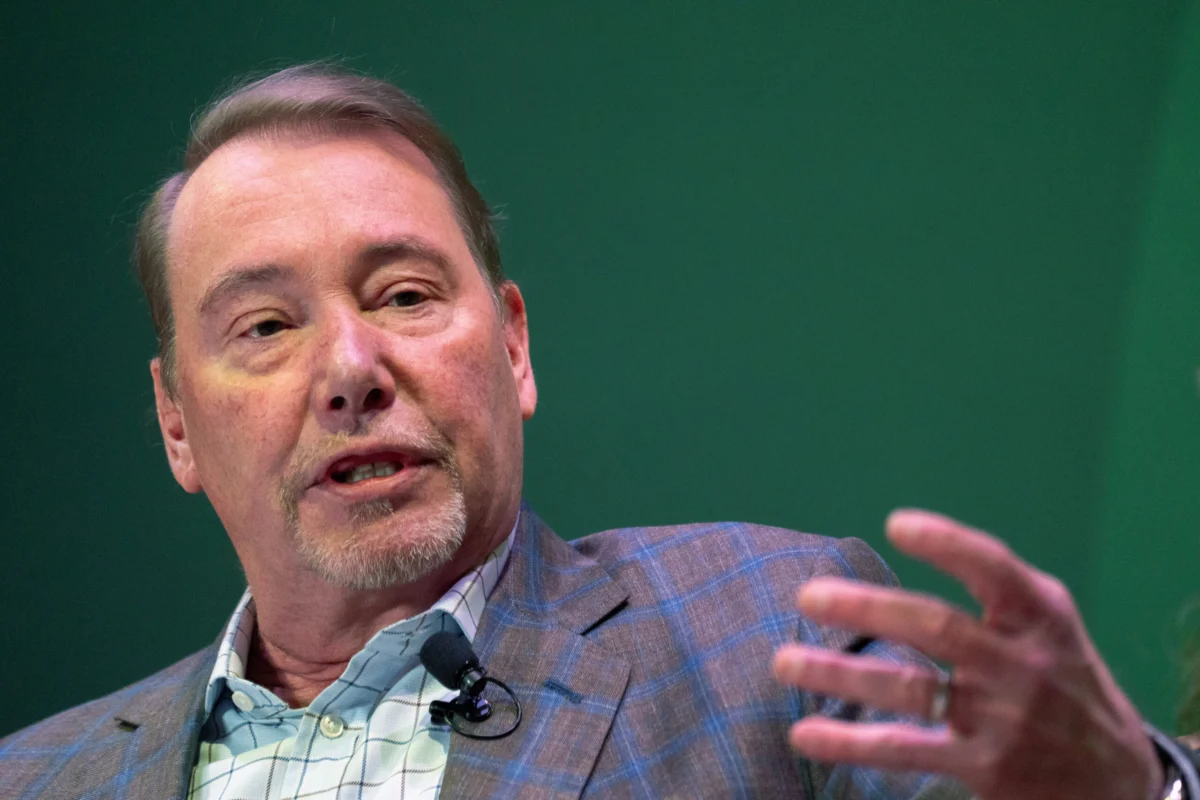
Jeffrey Gundlach, the Chief Executive Officer of DoubleLine Capital and a veteran observer of debt markets, argues that the recent price action in U.S. Treasuries suggests a profound lack of confidence in the Fed’s current trajectory. According to Gundlach, the market is no longer satisfied with the promise of future vigilance; it is demanding immediate, tangible policy tightening. He contends that if the central bank is truly committed to returning inflation to its 2% mandate, the current pause in rate hikes is a tactical error that the market is already beginning to penalize.
The internal dynamics of the FOMC further complicate the narrative. The recent decision to hold rates was not a unanimous one, a rarity in an institution that typically prizes the appearance of consensus. Three members of the committee dissented, casting votes in favor of an immediate 25-basis-point increase. This internal fracture suggests that even within the halls of the Federal Reserve, there is a growing realization that the window for a "soft landing" is closing and that the persistence of price pressures may require more aggressive medicine than the leadership is currently willing to prescribe.
The market’s reaction to this perceived hesitation was both swift and bifurcated. In the immediate aftermath of the policy announcement and the subsequent press conference by Chairman Kevin Warsh, the Treasury yield curve underwent a dramatic shift. The two-year Treasury note, which is highly sensitive to short-term policy shifts, saw its yield decline by 3 basis points to 4.244%. This move reflected a market belief that the Fed is content to remain on the sidelines for the next few months, providing a temporary reprieve for short-term borrowers.
However, the "long end" of the curve told a much more ominous story. The benchmark 10-year Treasury yield climbed over 7 basis points to reach 4.681%, while the 30-year bond yield surged to 5.213%—its highest level since the lead-up to the global financial crisis in 2007. This steepening of the curve is a classic indicator that investors are demanding a higher "term premium" to compensate for the risk of future inflation and the massive supply of government debt required to fund expanding fiscal deficits.
Gundlach points to this divergence as evidence of the "bond market vigilantes" returning to the fore. These are investors who sell off long-term bonds when they believe government policy is too inflationary or fiscally irresponsible, thereby forcing interest rates higher regardless of the central bank’s stated desires. By driving the 30-year yield above the 5% threshold, the market is effectively signaling that it does not believe the Fed’s current policy stance is restrictive enough to bring inflation down to 2% within a reasonable timeframe. Gundlach himself expressed skepticism that the target could be reached within the next two years, suggesting that inflationary inertia has become more deeply embedded in the economy than policymakers care to admit.
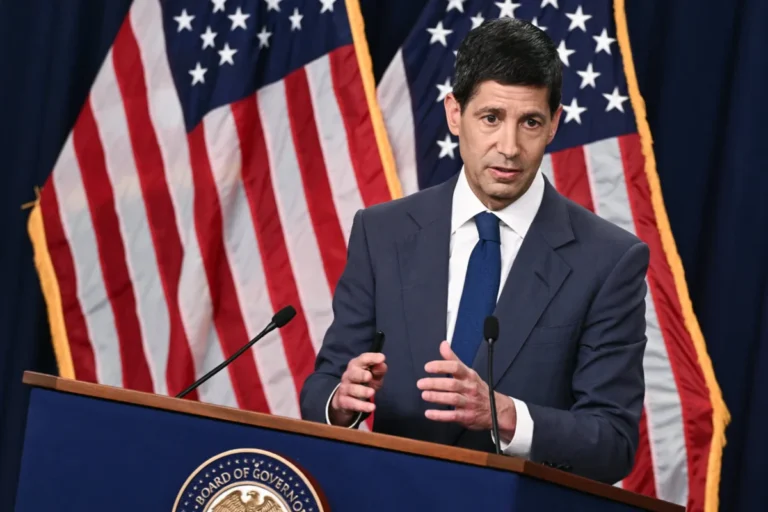
The rhetoric from Chairman Kevin Warsh attempted to bridge this gap, but his words seemed to fall on deaf ears in the trading pits. Warsh emphasized that the committee remains data-dependent and will not hesitate to act if the inflationary environment worsens. He noted that the Fed must observe market reactions "direct and unfiltered," yet the very reaction he observed was one of mounting concern. The challenge for Warsh is a matter of credibility; the market increasingly views the Fed’s 2% target as a moving goalpost rather than a firm destination.

From a broader economic perspective, the rise in long-term yields has profound implications for the domestic and global economy. The 30-year Treasury yield is the primary benchmark for U.S. mortgage rates. As this yield pushes toward 5.25%, the cost of financing a home becomes prohibitively expensive for a large segment of the population, potentially freezing the housing market and slowing consumer spending. Furthermore, as the "risk-free" rate of return on government debt rises, the valuation models for equities and other risk assets must be adjusted downward, creating headwinds for the stock market.
The fiscal component of this equation cannot be ignored. The U.S. government is currently navigating a period of significant deficit spending, necessitating the issuance of trillions of dollars in new debt. When the Fed remains on hold while inflation stays above target, the market naturally questions who will buy this deluge of debt and at what price. If domestic and international investors perceive that the real value of their principal will be eroded by inflation, they will continue to demand higher yields, creating a feedback loop that increases the government’s debt-servicing costs and further expands the deficit.
Global comparisons also highlight the precariousness of the Fed’s position. While other major central banks, such as the European Central Bank and the Bank of England, have faced similar inflationary pressures, the U.S. dollar’s role as the global reserve currency places a unique burden on the Federal Reserve. A "hawkish hold"—where the Fed stops raising rates but promises to keep them high—can lead to volatility in currency markets. If the bond market continues to drive yields higher in defiance of the Fed, it could lead to an uncontrolled tightening of financial conditions that the central bank may find difficult to reverse.
Expert insights from across the financial spectrum suggest that the Fed is currently trapped between two undesirable outcomes. On one hand, raising rates further risks triggering a recession, particularly given the lagging effects of previous hikes that are still working their way through the system. On the other hand, maintaining the current pause risks allowing inflation to become structural, necessitating much higher rates and a more painful economic contraction later. Gundlach’s assessment is that the Fed has chosen a middle path that satisfies no one and fails to address the core problem of rising long-term expectations.
The dissenting votes within the FOMC are a harbinger of the difficult debates to come. If inflation data in the coming months does not show a clear and convincing move toward the 2% target, the pressure on Chairman Warsh to align with the hawks will become overwhelming. The bond market is essentially "front-running" this inevitable pivot, forcing the tightening of credit conditions that the Fed is currently reluctant to implement itself.
As the financial world looks toward the next policy meeting, the focus will remain squarely on the long end of the Treasury curve. If the 30-year yield continues its ascent toward 5.5% or higher, it will represent a vote of no confidence that the Federal Reserve can ill afford. The "vigilantes" have made their opening move, and the ball is now firmly in the Fed’s court. To regain control of the narrative, the central bank may find that it has no choice but to follow the market’s lead, confirming Gundlach’s suspicion that talk has reached its limit and the time for action has arrived.
In the final analysis, the current standoff between the Fed and the bond market is a high-stakes game of economic chicken. The Federal Reserve is betting that inflation will cool on its own without further intervention, while the bond market is betting that the Fed is behind the curve. If the market is right, the cost of the Fed’s hesitation will be measured in years of elevated interest rates and a fundamental restructuring of the American economic landscape. For now, the message from the Treasury pits is unambiguous: the path to 2% inflation is steeper, longer, and more painful than the central bank is currently willing to acknowledge.