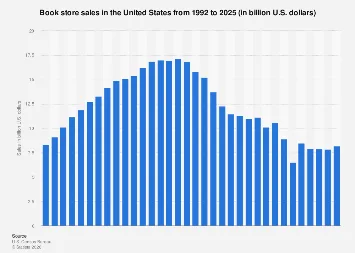
The United States bookstore sector is projected to experience a period of steady, albeit modest, expansion through 2025, signaling a potential stabilization in the industry after years of significant digital disruption. While e-books and online retail giants have reshaped consumer habits, traditional brick-and-mortar bookstores and even the digital book market itself are demonstrating a resilience that points to a more nuanced landscape for print media and its digital counterparts. Projections indicate a gradual upward trend in sales, reflecting a sustained consumer appetite for physical books and a maturing of the digital reading experience.
This anticipated growth is occurring within a broader economic context where consumer spending patterns are influenced by factors such as disposable income, inflation rates, and evolving entertainment preferences. The book market, a perennial staple in cultural consumption, is navigating these currents with a blend of adaptation and inherent appeal. Unlike more ephemeral forms of digital entertainment, books offer a unique blend of tangible experience, intellectual engagement, and collectibility that continues to resonate with a substantial segment of the population.
The projected sales figures for U.S. bookstores in 2025, estimated to be in the billions of dollars, represent a significant economic contribution. This figure encompasses sales from a diverse range of establishments, from large national chains to independent local shops, each playing a distinct role in the market ecosystem. The resilience of independent bookstores, in particular, has been a noteworthy trend. These establishments often cultivate loyal customer bases through curated selections, community events, and personalized recommendations, fostering an experience that online retailers struggle to replicate. Their survival and even growth suggest a consumer desire for curated discovery and a connection to local cultural hubs.
Furthermore, the book market is not a monolithic entity. The performance of the overall sector is influenced by trends within specific genres and formats. While certain categories might see fluctuations, others, such as children’s books or niche non-fiction, often exhibit robust demand. The enduring popularity of physical books is also underscored by data indicating that a significant percentage of readers still prefer print for its tactile qualities, reduced screen fatigue, and perceived ownership. This preference, even among younger demographics who are digital natives, contributes to the sustained relevance of bookstores.
The competitive landscape of the book industry has been irrevocably altered by the rise of e-commerce. Major online retailers have captured a substantial share of the market, offering convenience, vast selection, and competitive pricing. However, this dominance has not led to the complete eradication of physical bookstores. Instead, it has spurred innovation and adaptation within the sector. Many bookstores have embraced multi-channel strategies, integrating online sales platforms with their physical stores, offering services like in-store pickup and personalized online recommendations. This hybrid approach allows them to leverage the strengths of both worlds, catering to a wider range of customer needs and preferences.
The digital book market, while having matured, continues to play a significant role. E-books offer portability and instant access, appealing to a large segment of readers, particularly for genres like thrillers, romance, and academic texts. However, the explosive growth seen in the early years of e-reader adoption has somewhat plateaued. Readers are increasingly making conscious choices about their preferred format based on the reading experience, the nature of the content, and personal preference. For instance, visually rich books like art books or photography collections are almost exclusively consumed in print, and many readers find dedicated e-readers offer a different, sometimes less engaging, experience for longer literary works compared to the physicality of a printed page.
Statistics on print media in the U.S. paint a complex picture. While the overall advertising revenue for print media, including newspapers and magazines, has seen a decline over the past decade due to the shift to digital advertising, the book segment has demonstrated greater stability. This distinction is crucial. Books are primarily consumed for content and leisure, rather than being a medium for time-sensitive advertising. This fundamental difference in their economic drivers has allowed the book market to weather the digital storm more effectively.
Global comparisons offer further insight. In many developed economies, the book market exhibits similar trends of resilience in print, coupled with a significant digital presence. Countries with strong literary traditions and high literacy rates often show a robust demand for both physical and digital books. The U.S. market, with its vast consumer base and diverse cultural landscape, is a significant bellwether for global trends in the publishing industry. The strategies employed by U.S. publishers and booksellers—from innovative marketing campaigns to the development of subscription models for e-books—are often emulated internationally.
The economic impact of the bookstore sector extends beyond direct sales. It supports a vast ecosystem of publishers, distributors, printers, authors, and literary agents. The continued viability of bookstores is essential for maintaining this intricate network. Moreover, bookstores often serve as community centers, hosting author readings, book clubs, and educational events, thereby contributing to the cultural fabric of towns and cities. This social capital, while difficult to quantify in purely economic terms, holds significant value.
Looking ahead, the future of the U.S. bookstore market will likely be shaped by continued innovation in both physical and digital spaces. Publishers are exploring new formats and distribution models, while bookstores are increasingly focusing on creating unique in-store experiences. The rise of audiobook consumption also presents an interesting parallel and competition to both print and e-books, further diversifying how consumers engage with narrative content. However, the enduring appeal of the printed word, combined with the strategic adaptations of the industry, suggests that bookstores, in their various forms, will remain a vital part of the American cultural and economic landscape through 2025 and beyond. The market’s ability to adapt and find new avenues for engagement will be key to its sustained prosperity.