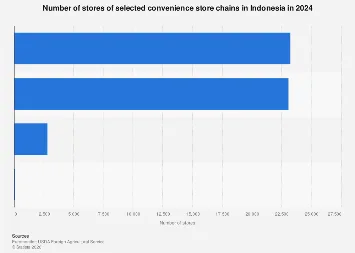
Indonesia’s retail landscape is witnessing a robust expansion in its convenience store segment, with projections indicating a substantial increase in the number of outlets through 2024. This surge is not merely a quantitative shift but a qualitative reflection of a nation’s evolving consumer behaviors, a growing middle class, and the strategic adaptation of businesses to meet the demands of an increasingly urbanized and digitally connected populace. The convenience store model, characterized by its accessibility, extended operating hours, and curated product offerings, has found fertile ground in the archipelago, outperforming traditional retail formats in key demographic areas.
The appeal of convenience stores in Indonesia stems from a confluence of factors. Firstly, rapid urbanization has led to denser populations in cities and burgeoning suburban areas, creating a natural demand for easily accessible retail points. As commutes lengthen and lifestyles become more demanding, consumers are increasingly prioritizing time-saving shopping solutions. Convenience stores, often strategically located in residential complexes, office districts, and along major transit routes, cater directly to this need. Secondly, the demographic profile of Indonesia, with its large youth population and a burgeoning middle class, represents a significant consumer base with disposable income and a propensity for modern retail experiences. This demographic is more receptive to brands, new product introductions, and the overall polished presentation that convenience stores offer compared to smaller, traditional "warungs" or independent shops.
Market data suggests that the convenience store sector in Indonesia has been on an upward trajectory for several years, a trend that analysts anticipate will continue its momentum. While specific, granular figures for the total number of outlets in 2024 are proprietary and often require specialized market research subscriptions, broader industry trends and investment patterns provide strong indicators of continued expansion. Major players in the Indonesian market, such as Indomaret and Alfamart, have consistently reported opening new stores, expanding their geographical reach, and investing in modernizing their existing store networks. These companies are not just adding physical locations; they are also integrating digital services, loyalty programs, and often act as mini-hubs for essential services, further cementing their role in daily Indonesian life.
The competitive intensity within the sector is notable. Indomaret, for instance, has established a vast network, often cited as one of the largest in Southeast Asia. Alfamart is another formidable competitor, frequently engaging in aggressive expansion strategies. The sheer scale of their operations means that new store openings are not isolated events but part of a continuous, strategic deployment aimed at capturing market share and ensuring proximity to consumers. Beyond these giants, smaller chains and independent convenience stores also contribute to the overall count, though their impact on market dynamics is less pronounced. The presence of these numerous outlets signifies a high level of market penetration and a robust demand for the convenience-oriented retail experience.
The economic impact of this expansion is multifaceted. The growth of convenience stores directly translates into job creation, from store staff and managers to roles in logistics, supply chain management, and marketing. These businesses also contribute to local economies through taxes and by stimulating demand for goods from a wide range of suppliers, including local producers and manufacturers. Furthermore, the investment required to establish and maintain these retail networks, including real estate, inventory, and technology, represents significant capital inflow into the Indonesian economy.
Globally, the convenience store model has proven resilient and adaptable. In mature markets like Japan, convenience stores are highly sophisticated, offering a wide array of services from postal services to hot meals and financial transactions. While Indonesia is still developing, the trajectory suggests a similar path of increasing sophistication and integration into the daily lives of its citizens. The country’s vast geographical spread, with its thousands of islands, presents unique logistical challenges, but also opportunities for convenience stores to become vital links in communities, especially in remote or underserved areas where access to goods and services might otherwise be limited.
The digital revolution is also playing a crucial role in shaping the convenience store sector. Many Indonesian convenience stores are increasingly integrating e-commerce functionalities, allowing customers to order products online for delivery or in-store pickup. This omnichannel approach is vital for staying competitive in an era where consumers expect seamless transitions between online and offline shopping experiences. Partnerships with ride-hailing and delivery platforms, which are immensely popular in Indonesia, further extend the reach of convenience stores beyond their physical footprint. This digital integration is not just about sales; it’s about data collection and analysis, enabling retailers to better understand consumer preferences and optimize their inventory and product assortments.
Looking ahead, several trends are likely to influence the continued growth of convenience stores in Indonesia. The increasing preference for ready-to-eat meals and beverages, driven by busy lifestyles, will continue to fuel demand for convenience store offerings. Furthermore, as the country’s middle class expands, so too will their purchasing power and their desire for branded goods and a diverse range of products that convenience stores can provide. The ongoing development of infrastructure, including transportation networks and digital connectivity, will also facilitate easier access to and from these retail outlets, further supporting their expansion.
However, challenges remain. Intense competition can lead to price wars and pressure on margins. Supply chain disruptions, particularly in an archipelago nation, can impact product availability and costs. Moreover, maintaining consistent quality and service across a vast and rapidly expanding network requires robust operational management and significant investment in training. Regulatory environments and local community engagement also play a crucial role in the successful establishment and operation of new outlets.
Despite these hurdles, the fundamental drivers of growth for Indonesia’s convenience store sector appear robust. The nation’s demographic advantages, coupled with the inherent appeal of convenience and the ongoing digital transformation, suggest that the number of convenience stores will continue to climb. This expansion is not merely a statistical observation but a significant indicator of the ongoing modernization of Indonesian retail, reflecting a dynamic economy and the evolving needs and aspirations of its vast population. The convenience store, once a niche concept, is solidifying its position as an indispensable part of the Indonesian consumer’s daily life, promising further innovation and economic contribution in the years to come.