As the world grapples with the accelerating realities of climate change and the imperative of a green energy transition, a profound geopolitical realignment is underway, driven by commodities far removed from the traditional fossil fuel narrative. Copper, the indispensable metal powering electrification, and cocoa, the foundation of a global confectionery industry, are increasingly dictating economic stability and influencing international relations in ways reminiscent of oil’s dominance in the 20th century. Copper prices, propelled by a confluence of supply constraints and surging demand from renewable energy infrastructure and the burgeoning data center sector, have demonstrated significant upward momentum in 2025. Simultaneously, cocoa has experienced unprecedented price volatility, reaching historic highs early in the year due to severe climate shocks in West Africa, before undergoing a sharp correction. Together, these price movements underscore a fundamental shift in the global economic map, where strategic resource control is migrating from oil-rich nations to regions abundant in these critical minerals and agricultural products.
The narrative of global power is being rewritten, with mines and plantations emerging as new epicenters of influence, superseding the pipelines of the past. Copper, integral to electric vehicles, solar panels, wind turbines, and the vast expansion of electricity grids, is the lifeblood of decarbonization efforts worldwide. Its role is further amplified by the exponential growth of data centers, driven by the artificial intelligence revolution, where copper is essential for cooling systems, internal connectivity, and power management. Projections from the International Energy Agency (IEA) indicate that global copper demand could reach 31.3 million tonnes by 2030, a substantial increase from approximately 24.9 million tonnes in 2021. Professor António Alvarenga of Nova School of Business and Economics points to China’s massive grid expansion and ongoing industrial stimulus as primary drivers of this demand. However, he notes a critical imbalance: mine output has only grown by an estimated 1-2% annually, and the development of new copper projects is a protracted process, typically taking 15 to 17 years.
This disparity between rising demand and constrained supply creates a fertile ground for geopolitical maneuvering. Copper production is highly concentrated in a few key regions, notably Zambia and the Democratic Republic of Congo (DRC) in Africa, and the copper belt of Chile and Peru in Latin America. Sunil Kansal, head of Consulting and Valuation Services at Shasat Consulting, observes that this concentration is quietly reshaping global alliances, as nations vie for secure, long-term access to this vital resource, mirroring the oil geopolitics of the previous century. Incidents such as accidents at major mines, like the production halt at Chile’s El Teniente mine or the flooding and roof collapse at the Kamoa-Kakula mine in the DRC, can trigger significant price spikes and supply chain disruptions. Furthermore, aging mines and chronic underinvestment have exacerbated supply bottlenecks. Franck Bekaert, a senior emerging markets analyst at Gimme Credit, highlights that many major copper mines are aging, with declining ore grades necessitating the processing of greater volumes of rock to extract the same amount of copper. He also points to permit delays and environmental regulations hindering new project development, driving up costs. Significant investment is therefore crucial to meet escalating demand.
Beyond the physical constraints of extraction, political instability, worker strikes, environmental protests, and governance challenges such as corruption in major producing countries add further layers of complexity and risk to copper supply. Current copper inventories, according to Benchmark Intelligence, are at record lows, even as demand from green infrastructure projects in the United States and the European Union continues to surge. As the global race to electrify intensifies, copper’s scarcity is emerging as a structural risk to global economic growth, echoing the impact of oil shocks of the past.
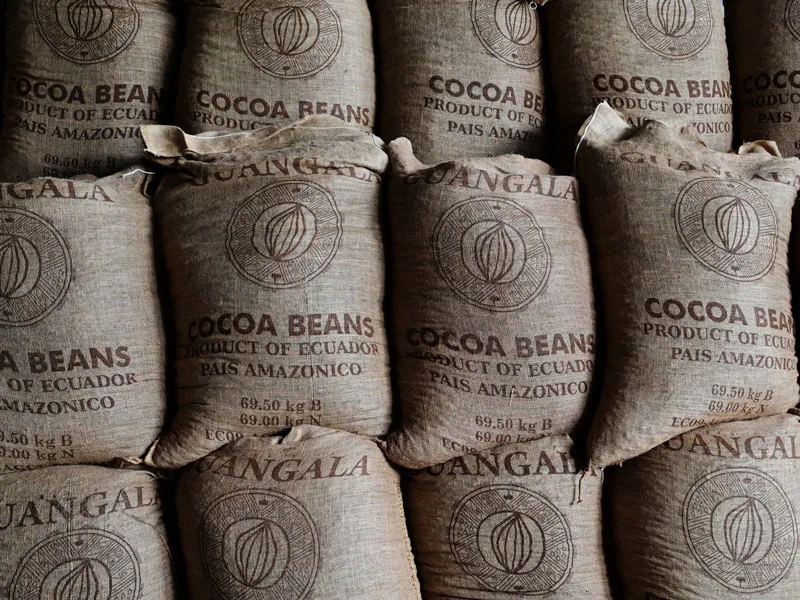
The volatility in cocoa prices offers a parallel narrative of resource-driven economic shifts, intertwined with climate vulnerability and social equity concerns. Francisco Martin-Rayo, co-founder and CEO at Helios AI, aptly described cocoa’s recent surge: "When the Ivory Coast and Ghana sneeze, global chocolate catches a cold. Cocoa just had its ‘oil moment’: a near 500,000-ton global deficit in 2023-24 pushed inventories to multi-decade lows and sent futures above $10,000/ton at the peak in January 2025." A primary catalyst for this deficit was the El Niño weather pattern during the 2023-24 season, which brought erratic weather, including excessive rainfall followed by prolonged dry spells, to key producing nations like Ghana and the Ivory Coast. Cocoa cultivation is highly sensitive to climate, thriving only in specific equatorial conditions, with West Africa accounting for approximately 70% of the global supply. These extreme temperatures not only reduced yields but also fostered crop diseases such as swollen shoot virus and brown rot, further diminishing the quality and quantity of the harvest. The aging nature of West African cocoa trees also contributes to lower yields and increased susceptibility to pests and diseases, creating a vicious cycle where consistently low farmer incomes impede necessary investments in replanting and farm rehabilitation.
While cocoa demand has shown steady growth, supported by Western holiday consumption and an expanding middle class in Asia and Africa, extreme price hikes can temper consumer appetite. Professor Alvarenga notes that in 2025, European and Asian cocoa grindings declined as manufacturers grappled with elevated costs. The challenges facing cocoa extend beyond price fluctuations; they represent a systemic crisis in agricultural supply chains marked by climate volatility, soil degradation, and pervasive farmer poverty. With a significant portion of the crop still managed by smallholder farmers, cocoa is intrinsically linked to social issues such as food insecurity, forced migration, and income inequality, placing it at the forefront of debates on ethical sourcing and fair trade. Despite recent price pullbacks, the underlying structural issues driving cocoa’s volatility remain.
The concentration of supply for both copper and cocoa in a limited number of regions has profound implications for geopolitical alignments and trade dynamics. Consumers are increasingly prioritizing supply chain resilience and security, leading to a concerted effort to diversify sourcing. Copper’s status as a strategic metal is paramount for nations pursuing decarbonization goals, and its importance is set to grow with advancements in AI and other power-intensive technologies. Major copper consumers, including the US and EU, are actively seeking to broaden their supplier base to mitigate risks. Professor Alvarenga highlights strategic moves, such as the US launching a national security investigation into copper imports and China diversifying its sourcing away from Chile towards the DRC, Russia, and Zambia. These shifts are fostering new alliances, with China deepening ties with African producers and Western nations exploring alternative mines and stockpiling strategies. This mirrors the resource-driven geopolitical competition witnessed during the oil era, potentially leading to trade frictions, resource nationalism, and contests for influence. Edward Nikulin, a weather model expert at Mind Money, cautions that this concentration magnifies geopolitical risk while simultaneously signaling long-term strategic value for investors.
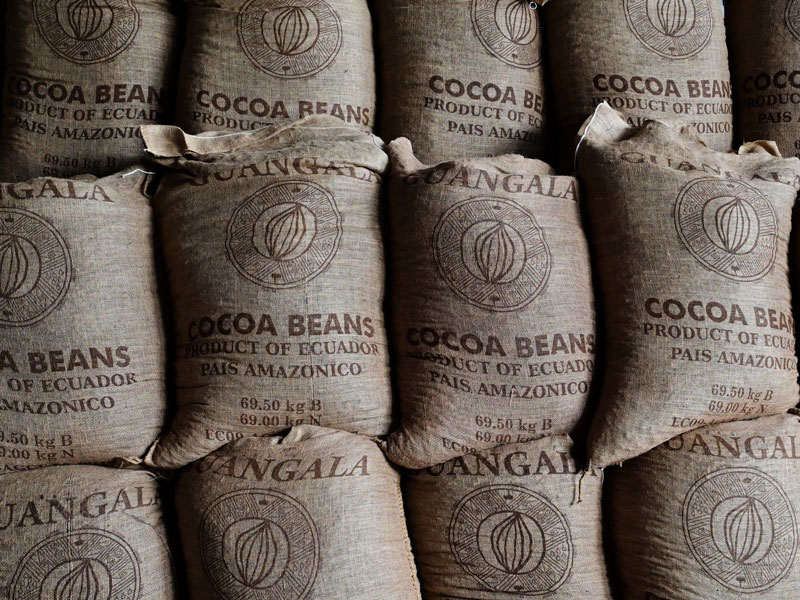
In the cocoa market, governments in Ghana and Ivory Coast exert significant influence over supply through export regulations and price-setting mechanisms, functioning akin to a producer bloc similar to OPEC. Kansal observes a growing trend of coordinated action by these nations to advocate for fairer terms, reminiscent of resource diplomacy in oil markets. This is exemplified by the "Living Income Differential" (LID), a surcharge on export prices designed to ensure a larger portion of cocoa income directly benefits farmers, aiming to improve living standards and combat issues such as child labor, poverty, and deforestation. Martin-Rayo explains that the joint $400/ton LID has established a de facto price floor for farmgate economics, while the EU Deforestation Regulation (EUDR) mandates farm-level traceability, reshaping trade flows towards compliant suppliers. He anticipates increased local processing in Ivory Coast and a diversification of origins to countries like Ecuador and Brazil, signifying a classic resource security realignment.
Technological adoption is also transforming both sectors. Cocoa farming is increasingly leveraging technologies such as satellite imagery, robotic pollination, ground sensors, and drones for real-time monitoring of pests, growth rates, and soil moisture, aiming to stabilize yields and enhance economic and strategic importance. Similarly, major copper companies are focusing on responsible production practices, addressing sustainability and labor concerns to attract investors. Alvarenga notes that copper and copper miners have significantly outperformed the S&P 500 and broad commodity indices over the past five years, with copper ETFs and mining stocks proving popular. The potential for supply deficits driven by pent-up demand from electric vehicles and renewable energy could further boost prices if new mine output lags. However, policy interventions such as stockpiling and tariffs pose risks that could disrupt copper flows. While cocoa exhibits higher volatility and speculative characteristics than copper, its emergence as a "systemic" commodity for food manufacturers and retailers marks a significant regime shift.
The year 2025 signals the dawn of a post-oil resource era, where sustainable and ethically sourced commodities are poised to wield significant economic and geopolitical power. The "new oil" may not be a liquid fossil fuel but rather a mineral extracted, an agricultural product grown, or a digitally verifiable resource. Both copper and cocoa represent a transition towards the commodities of the future – scarce, economically resilient, and increasingly vital in a fragmented global landscape. Investors are now seeking a delicate balance between transparency, accountability, and growth, recognizing that the future of global power is being forged in the mines and on the plantations of the Global South.