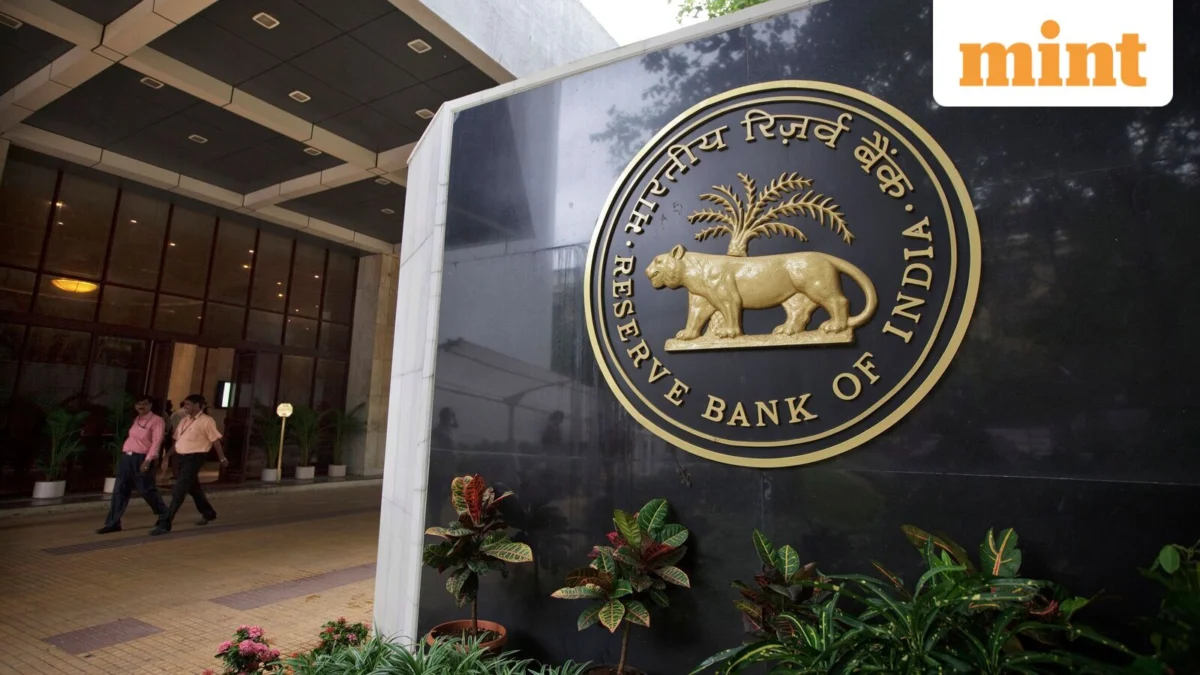
India’s financial landscape is undergoing a profound digital transformation, with Artificial Intelligence (AI) rapidly integrating into the core operations of banks and non-banking financial companies (NBFCs). This accelerated adoption, driven by a burgeoning digital economy and fierce competition, is prompting the Reserve Bank of India (RBI) to deliberate on a comprehensive regulatory framework for AI, moving beyond its existing issue-specific directives to establish a unified and forward-looking playbook. This shift signals a recognition of AI’s immense potential to reshape financial services, alongside the complex risks it introduces, demanding a robust and adaptive supervisory approach from the nation’s central bank.
The urgency for a consolidated AI policy stems from the expanding deployment of AI across diverse financial functions. Previously, the RBI addressed technology-related concerns through granular guidelines pertaining to specific areas like data privacy, cybersecurity, or digital lending. However, the pervasive nature of AI, influencing everything from credit underwriting and fraud detection to customer service and regulatory reporting, necessitates a more cohesive and overarching strategy. Discussions within the RBI, involving various departments, particularly the Department of Regulation, aim to synchronize efforts to create a singular reference point for all regulated entities concerning AI implementation. This initiative builds upon earlier measures, such as the draft framework for model risk management released in June, which highlighted the growing reliance on sophisticated models—both internal and third-party—for critical decision-making and warned of associated risks. While models generally encompass various quantitative tools, AI models present unique challenges, demanding dedicated attention.
At the heart of the impending guidelines lies the imperative to establish robust guardrails without stifling innovation. Experts anticipate the framework will draw heavily from the recommendations of the Committee on Framework for Responsible and Ethical Enablement of Artificial Intelligence (FREE-AI), which submitted its report to the central bank in August 2025. Key principles from this report, including the promotion of indigenous financial sector-specific AI models and a clear AI policy for regulatory guidance, are expected to inform the new directives. Vivek Iyer, partner and regulatory ecosystem leader at Grant Thornton Bharat, emphasizes that a broader guideline would offer lenders much-needed clarity, defining permissible boundaries and acceptable practices for AI deployment. This evolution from a principles-based committee report to actionable regulations is crucial for ensuring consistent application across the industry.
The comprehensive framework is likely to delineate several critical pillars for responsible AI adoption. Firstly, AI Governance and Accountability will likely be paramount, mandating clear roles and responsibilities from board level down, establishing AI ethics committees, and ensuring transparent decision-making processes. Secondly, Robust Risk Management will extend beyond traditional model validation to include specific assessments for algorithmic bias, data quality, model explainability (XAI), and resilience testing of AI systems. The June draft circular already underscored the necessity for human oversight, override mechanisms, and "kill-switch" arrangements for AI models, a feature expected to be reinforced. Thirdly, Data Privacy and Security will remain a cornerstone, addressing how customer data is used for AI model training, data residency requirements (local vs. international servers), and the safeguards employed against breaches. Parijat Garg, an independent digital lending and fintech expert, highlights the critical concern around data localization and the integrity of data used for training AI models.

Furthermore, the guidelines are expected to address the specific Use Cases of AI in financial services. For instance, AI utilized for credit decisioning, regulatory reporting, or compliance will likely face more stringent scrutiny due to the higher potential for consumer detriment or systemic risk. The phenomenon of "hallucination," where AI generates plausible but factually incorrect information, poses a significant threat in these high-stakes applications, as evidenced by recent setbacks in sectors like consulting and legal. The RBI’s survey, cited in its June Financial Stability Report, already identified AI-enabled cyber threats as the top risk for Indian banks and NBFCs over the next 12 months, a concern amplified by incidents like Anthropic’s Claude AI hacking into systems during cybersecurity tests. These events underscore the need for meticulous validation and continuous monitoring of AI systems.
The financial sector’s enthusiasm for AI is palpable, driven by its potential to unlock significant value. Indian lenders are actively deploying AI to enhance operational efficiency, personalize customer experiences, and bolster risk management. Bajaj Finance, a prominent consumer financier, exemplifies this trend with its deployment of AI-based cameras in over 500 stores, aiming to identify existing customers and offer personalized products. The company plans to expand this initiative to 3,000 stores by March 2027. Similarly, Tata Capital has reported tangible benefits from AI in its lending decisions and portfolio monitoring, crediting its AI platform with strengthening risk management and reducing credit costs by 14 basis points year-on-year in FY26. These instances highlight AI’s capacity to drive efficiency gains, reduce costs, improve accuracy in credit assessments, and ultimately foster greater financial inclusion by enabling tailored services for diverse customer segments. The global financial services industry anticipates AI to generate hundreds of billions of dollars in value annually through improved fraud detection, personalized banking, and automated compliance.
Globally, financial regulators are grappling with similar challenges in governing AI. The European Union’s AI Act, adopting a risk-based approach, categorizes AI systems by their potential harm, with high-risk applications in finance facing stringent requirements. In the United States, various agencies like the Office of the Comptroller of the Currency (OCC) and the Federal Deposit Insurance Corporation (FDIC) have issued guidance on responsible AI innovation, while the National Institute of Standards and Technology (NIST) has developed an AI Risk Management Framework. The UK’s Financial Conduct Authority (FCA) and Prudential Regulation Authority (PRA) have opted for a more principles-based approach, focusing on ethical considerations and robust governance. Discussions within the Basel Committee on Banking Supervision (BCBS) are also shaping international best practices for AI and Machine Learning in banking. India’s approach, therefore, is not isolated but part of a broader global effort to harness AI’s benefits while mitigating its risks, and the RBI’s framework is expected to align with international standards while catering to India’s unique market dynamics.
The RBI’s deliberative process underscores a delicate balance between fostering technological innovation and safeguarding financial stability and consumer protection. As Deputy Governor T. Rabi Sankar articulated in October, alongside technological progress, the human element remains central for responsible AI use in the financial sector. This means ensuring that AI serves as an augmentative tool rather than a replacement for human judgment and ethical oversight. The central bank’s previous directive in April, requiring banks to submit board-approved reviews of their cybersecurity gaps and formulate comprehensive AI governance and security frameworks, indicated its proactive stance. The upcoming comprehensive guidelines are poised to formalize these expectations, providing clarity and a structured approach for the industry. This move is crucial for ensuring that India’s rapidly evolving financial sector can leverage AI’s transformative power responsibly, ensuring fair outcomes for consumers, maintaining market integrity, and sustaining trust in the digital age. The ultimate success of these guidelines will hinge on their ability to adapt to the fast-paced evolution of AI technology, fostering an environment where innovation thrives within a framework of robust accountability and ethical principles.