India’s Food Safety and Standards Authority (FSSAI), the nation’s apex food regulator, has initiated a significant regulatory intervention, prohibiting the sale of several prominent alcoholic beverage variants, including those from iconic brands like Old Monk, Antiquity Blue, and Royal Challenge. This decisive action stems from findings that these products allegedly utilize artificial flavouring substances to mimic inherent tastes and aromas, rather than achieving them through traditional maturation processes or the use of specified base ingredients. The FSSAI’s stance underscores a broader push for product authenticity and consumer protection within India’s rapidly expanding and complex alcoholic beverage market, a sector valued at over $52 billion in 2023 and projected to grow at a compound annual growth rate (CAGR) exceeding 6% through 2028.
At the heart of the FSSAI’s objection is the practice described as "adding rum flavour to rum" or "whisky flavour to whisky." While the regulator permits the addition of natural flavouring substances like coffee or vanilla to alcoholic drinks, its laboratory tests have revealed that certain manufacturers, including units of industry giants like Diageo India (the country’s largest alcohol company by market share) and Inbrew, were incorporating flavours identical to the beverage itself. This, the FSSAI argues, is not only an internationally unrecognised manufacturing practice but also a method used to mislead consumers. The regulator explicitly stated that there is "no internationally recognised manufacturing practice whereby rum flavour is added to rum or whisky flavour is added to whisky," highlighting a divergence from global norms that typically define spirit categories by their raw materials, distillation, and maturation processes.
The underlying issue, as identified by the FSSAI, points to a potential "malpractice" prevalent in some segments of the industry. Instead of developing flavours naturally through maturation in wooden casks or from base materials such as molasses for rum, malt for whisky, or grapes for brandy, some manufacturers are reportedly using spirit or neutral alcohol, which lacks distinct flavour, and subsequently adding external flavouring agents. Such products, according to the FSSAI, are not merely substandard but are also misrepresented by being sold under established category names. The regulator suggested that these products, at best, should be identified as "Rum-flavoured Spirit" or "Whisky-flavoured Spirit," clearly distinguishing them from their traditionally produced counterparts. This distinction is critical for consumer transparency, ensuring that purchasers understand the nature and production method of the beverage they are consuming.
Laboratory findings played a pivotal role in substantiating the FSSAI’s claims. Tests conducted on rum and whisky samples from various manufacturers consistently revealed the presence of external artificial or nature-identical flavours. The reports explicitly noted that "the addition of artificial flavours is masking its natural flavour and making the product substandard." This masking effect not only deceives consumers regarding the product’s true composition but also circumvents the established regulatory framework designed to ensure quality and authenticity. The FSSAI (Alcoholic Beverages) Regulations, 2018, meticulously define various alcoholic categories, often specifying minimum maturation periods and permissible ingredients, which these practices appear to contravene.
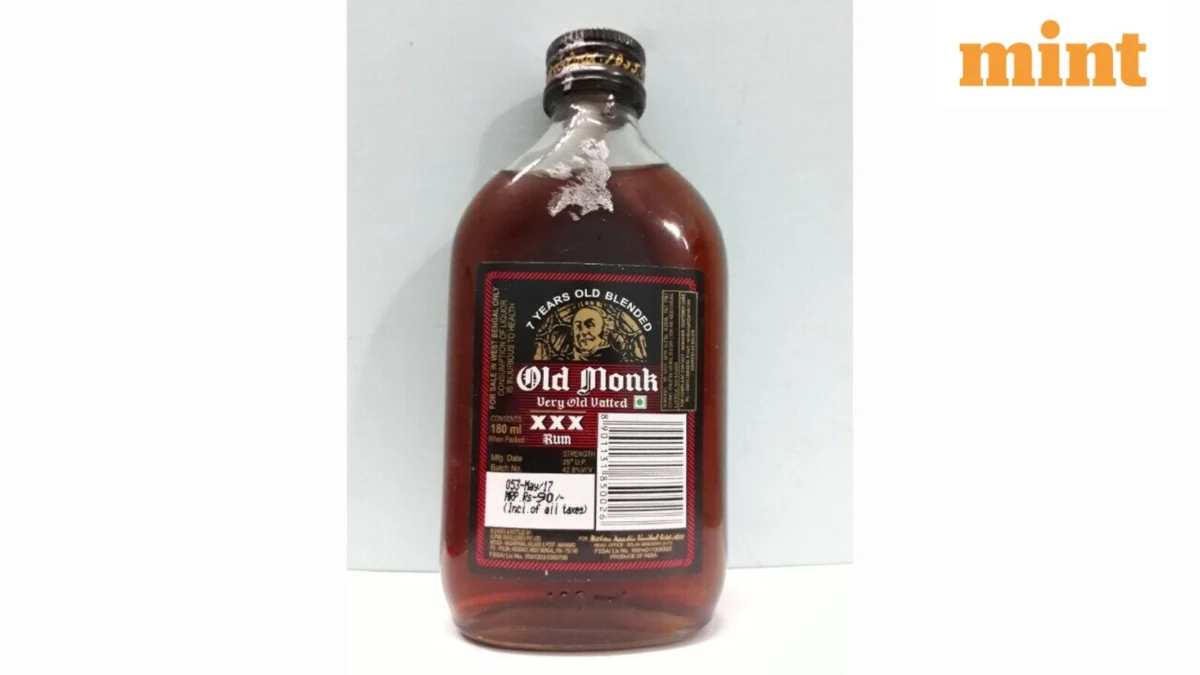
The list of banned products includes significant market players. From Mohan Rocky Springwater, three variants of the highly popular Old Monk rum—The Legend, Gold Reserve, and XXX Matured Rum—have been flagged. Other prominent brands impacted are McDowell’s No 1 Rum from United Spirits, Bagpiper Deluxe Whisky and Old Cask Deluxe XXX Rum from Inbrew Beverages, Central Province Whisky and McDowell’s No. 1 Celebration matured XXX Rum from Associated Alcohol & Breweries, and Antiquity Blue Whisky and Royal Challenge Whisky from United Spirits. Further inspections and sampling have extended to Mandexi Distilleries & Breweries in Goa, and notices have been issued to six additional manufacturers in Maharashtra, indicating a broad-based enforcement drive. The inclusion of Old Monk, a brand with deep cultural resonance and a fiercely loyal consumer base in India, underscores the gravity and widespread nature of the FSSAI’s action.
Beyond the issue of flavouring, the FSSAI also scrutinised age claims, particularly for Old Monk XXX Rum, which prominently states "7 years’ blended" on its label. Investigations revealed that the major ingredient in this product was neutral (unmatured/unaged) spirit, with the matured rum spirit constituting less than 5% of the total product. This practice directly violates the FSS (Alcoholic Beverages) Regulations, 2018, which stipulate that the age claim of a spirit blend must be derived from the youngest spirit present. Such misrepresentation, the FSSAI concluded, is deceptive and undermines the very essence of product labeling standards designed to inform and protect consumers.
The economic implications of this regulatory crackdown are multifaceted. For the affected manufacturers, the immediate impact includes significant revenue loss from product recalls and market withdrawals. Companies like Diageo India, a subsidiary of the global spirits giant, face not only financial repercussions but also potential damage to brand reputation and consumer trust. India represents a crucial growth market for international beverage conglomerates, and regulatory challenges can impede strategic expansion plans. The broader industry might experience a period of heightened scrutiny and increased compliance costs as manufacturers re-evaluate their production processes and labelling practices to align with the FSSAI’s stringent interpretations. This could potentially lead to a market consolidation, favouring companies with robust quality control and transparent manufacturing.
Globally, strict definitions and geographical indications govern alcoholic beverages. For instance, Scotch whisky must be matured in oak casks in Scotland for at least three years, while Caribbean rum often adheres to specific distillation and ageing methods. The European Union and the U.S. Alcohol and Tobacco Tax and Trade Bureau (TTB) also have comprehensive regulations outlining what constitutes a particular spirit, often prohibiting or severely restricting the addition of external flavours that mimic the core spirit’s character. The FSSAI’s move brings India closer to these international standards, pushing domestic manufacturers towards greater adherence to traditional production methods or explicit labelling of flavoured spirits. This aligns with a global trend towards greater transparency and ‘clean labelling’ across the food and beverage industry, driven by increasingly discerning consumers.
Industry reactions have been mixed. While some industry observers acknowledge the necessity of such regulations to maintain market integrity, others, like Diageo India, have challenged the FSSAI’s order in the Bombay High Court. Diageo India argued in its writ petition that its product declarations face "no legal hurdles" and that its manufacturing methods are "consistent with long-standing practices in the Indian alcohol industry." This legal challenge highlights the tension between established industry norms and evolving regulatory interpretations. The outcome of such legal battles could set precedents for how alcoholic beverages are defined, manufactured, and marketed in India for years to come. It also underscores the potential for significant legal and operational shifts required of manufacturers who may have historically relied on practices now deemed non-compliant.
Ultimately, the FSSAI’s action signals a pivotal moment for the Indian alcoholic beverage sector. It reinforces the regulator’s commitment to consumer protection and product authenticity, potentially ushering in an era of enhanced transparency and quality standards. This crackdown serves as a strong deterrent against deceptive practices, encouraging manufacturers to invest in genuine maturation processes and high-quality base ingredients. As the Indian consumer market matures and demands greater accountability from brands, regulatory bodies like the FSSAI are poised to play an increasingly critical role in shaping industry practices and safeguarding public interest. The long-term impact could lead to a more diversified market, with clearly delineated categories for traditional spirits and flavoured spirits, providing consumers with greater clarity and choice in an increasingly competitive landscape.