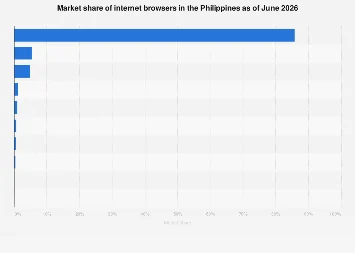
The digital ecosystem of the Philippines is poised for significant evolution, with projections indicating a dynamic shift in internet browser market share by 2026. This anticipated transformation is not merely a statistical curiosity but a reflection of broader technological trends, evolving consumer preferences, and the strategic maneuvers of major tech players vying for dominance in one of Southeast Asia’s most vibrant digital markets. Understanding these projected shifts offers crucial insights for businesses, developers, and policymakers navigating the increasingly interconnected Philippine economy.
Current browser usage patterns in the Philippines reveal a competitive, yet somewhat consolidated, landscape. Historically, Google Chrome has maintained a commanding lead, a trend mirrored globally due to its seamless integration with the Google ecosystem, robust performance, and extensive feature set. Its widespread adoption across various devices, from smartphones to desktop computers, has cemented its position as the default choice for a vast majority of Filipino internet users. This dominance is underpinned by pre-installation on Android devices, which constitute a significant portion of the smartphone market in the Philippines, and its availability and synchronization capabilities across multiple platforms.
However, the market is not without its challengers. Mozilla Firefox, known for its commitment to user privacy and open-source principles, maintains a dedicated user base. Safari, Apple’s proprietary browser, commands a notable share, particularly among users of iPhones and iPads, reflecting the strong presence of Apple devices in the premium segment of the Philippine market. Microsoft Edge, having undergone a significant transformation with its Chromium-based engine, is increasingly making inroads, leveraging its integration with Windows operating systems and its growing performance enhancements. Other browsers, such as Opera, with its built-in VPN and data-saving features, and emerging privacy-focused browsers, cater to specific user needs and preferences, adding further layers to the competitive dynamic.
Looking ahead to 2026, several factors are expected to influence the browser market share in the Philippines. One of the most significant drivers will be the continued proliferation of mobile internet access. The Philippines has one of the highest mobile penetration rates in the world, and this trend is only expected to accelerate. As more Filipinos come online primarily through their mobile devices, the mobile versions of browsers will play an increasingly critical role. Features like data efficiency, speed, and intuitive user interfaces on smaller screens will become paramount. This could potentially benefit browsers that excel in these areas, such as Opera Mini or even Chrome with its data-saving capabilities.
The evolving digital infrastructure also plays a crucial role. The ongoing expansion of 5G networks across the Philippines promises faster internet speeds and lower latency. While this may not directly favor one browser over another, it will enhance the overall online experience, potentially leading to greater consumption of rich media content and more complex web applications. Browsers that can efficiently render and manage these demanding web experiences will likely see increased user engagement.
Furthermore, the growing emphasis on digital privacy and security is a trend that cannot be ignored. As users become more aware of online threats and data tracking, privacy-centric features are gaining traction. Browsers that offer robust privacy controls, tracker blocking, and secure browsing modes may see a surge in adoption. This could provide an opportunity for browsers like Firefox or DuckDuckGo, which have historically prioritized user privacy, to gain a larger foothold. The increasing concern over data breaches and surveillance globally is resonating with Filipino consumers, making privacy a significant decision factor.
The strategic decisions of browser developers will also shape the future landscape. Continuous innovation in features, performance optimization, and user experience will be critical for retaining existing users and attracting new ones. For instance, advancements in web rendering engines, the integration of AI-powered features, and enhanced cross-device synchronization capabilities could sway user loyalty. The competitive landscape also includes the potential for new entrants or significant shifts in strategy from existing players, although the high barriers to entry in developing and maintaining a major browser suggest that the current key players will likely remain dominant.
In terms of market projections, while precise figures are subject to ongoing development, the general consensus among industry analysts points towards a sustained, albeit potentially slightly diminished, lead for Google Chrome. Its deep integration into the Android ecosystem and its ubiquitous presence are powerful incumbency advantages. However, the growth trajectories of other browsers are also noteworthy. Microsoft Edge, with its ongoing improvements and integration into the Windows operating system, is expected to see steady gains, particularly among desktop users. Safari will continue to hold its ground, tied to the fortunes of the Apple ecosystem.
The rise of alternative browsers, especially those focusing on privacy, could represent a more disruptive force. If privacy concerns escalate and these browsers offer compelling user experiences, they could chip away at the market share of the established leaders. This could lead to a more fragmented market than currently observed, with a greater diversity of browser choices being utilized. For example, emerging markets often see a higher adoption rate of lighter, data-efficient browsers due to varying internet costs and speeds, a factor that remains relevant in certain regions of the Philippines.
The economic implications of these browser market shifts are multifaceted. For businesses operating online, understanding browser market share is crucial for website optimization and user experience design. Websites that are not compatible with or perform poorly on certain browsers risk alienating a significant portion of their potential customer base. This necessitates ongoing testing and adaptation to ensure broad accessibility and functionality. Developers of web applications and online services must consider the dominant browsers and their specific rendering engines when building and deploying their platforms.
Moreover, the browser market is intrinsically linked to the broader digital advertising and e-commerce sectors. Browser usage patterns influence how targeted advertising is delivered and how users interact with online storefronts. A shift towards privacy-focused browsers, for instance, could necessitate a recalibration of digital marketing strategies, potentially impacting revenue streams for platforms reliant on granular user tracking. Conversely, it could spur innovation in privacy-preserving advertising technologies.
The competitive dynamics also affect the investment landscape. Companies that develop and maintain web browsers are often large technology conglomerates, and their success in this arena contributes to their overall market valuation and influence. The ongoing innovation and competition in the browser space drive further investment in web technologies, contributing to the overall growth of the digital economy.
In conclusion, the internet browser market in the Philippines is a dynamic arena that will continue to evolve significantly by 2026. While Google Chrome is likely to maintain its leading position, factors such as mobile internet growth, the expansion of 5G, increasing privacy awareness, and strategic innovations by browser developers will create opportunities for competitors. The nuanced interplay of these forces will shape a more diverse and potentially more privacy-conscious digital landscape for Filipino internet users, with profound implications for businesses and the broader economic ecosystem. The ability to adapt to these changing user behaviors and technological advancements will be key to success in the Philippine digital future.