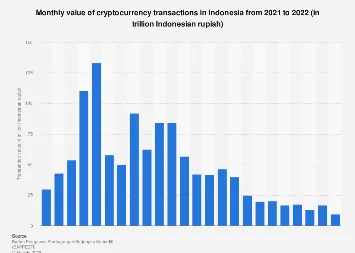
The Indonesian cryptocurrency market experienced a dynamic period between 2021 and 2022, characterized by substantial shifts in monthly transaction values. While specific granular data points for every month remain proprietary, available insights indicate a peak in activity in May 2021, with transaction values reaching a notable high. This surge underscores the growing interest and participation in digital assets within Southeast Asia’s largest economy.
Indonesia’s regulatory body for commodity futures trading, Bappebti, reported a substantial user base, numbering in the millions by mid-2022. This figure suggests a significant portion of the Indonesian population is engaging with cryptocurrencies, either as investors, traders, or users of decentralized applications. The sheer volume of users implies a maturing market, moving beyond early adopters to a broader demographic.
The economic landscape surrounding cryptocurrencies in Indonesia is multifaceted. The government has taken a stance that classifies cryptocurrencies as commodities rather than currencies, subject to specific regulations and taxation. This approach aims to balance the potential for innovation and economic growth with the need for consumer protection and financial stability. The regulatory framework, while evolving, provides a degree of clarity for market participants, fostering cautious optimism.
Globally, Indonesia’s cryptocurrency market performance can be viewed within the broader context of digital asset adoption. Emerging economies, in particular, have often seen higher rates of cryptocurrency adoption, driven by factors such as financial inclusion, a desire for alternative investment vehicles, and the growing prevalence of digital payments. Countries in Southeast Asia, including Indonesia, have been at the forefront of this trend, with mobile-first populations readily embracing new technologies.
The fluctuations observed in Indonesia’s monthly transaction values are not uncommon in the volatile cryptocurrency market. Such swings are often influenced by a confluence of factors, including global market sentiment, regulatory developments both domestically and internationally, macroeconomic trends, and significant news events related to major cryptocurrencies like Bitcoin and Ethereum. For instance, periods of bullish sentiment in global crypto markets typically translate into increased trading volumes across all participating nations. Conversely, periods of market downturn or heightened regulatory scrutiny can lead to a contraction in transaction values.
Analyzing the economic impact of these transactions is crucial. A robust cryptocurrency market can stimulate economic activity through various channels. Firstly, it creates opportunities for new businesses and startups in the blockchain and crypto space, leading to job creation and innovation. Secondly, it can facilitate cross-border payments and remittances, potentially reducing transaction costs and increasing efficiency for individuals and businesses. Thirdly, it offers individuals an alternative avenue for investment and wealth creation, although this also comes with inherent risks.
The Indonesian government’s approach to regulating cryptocurrencies is an important indicator of its future trajectory. By acknowledging cryptocurrencies as tradeable commodities, the authorities are seeking to channel their growth into a structured and supervised environment. This can involve licensing requirements for crypto exchanges, rules around anti-money laundering (AML) and know-your-customer (KYC) procedures, and potentially capital gains taxes on profits derived from crypto trading. Such measures, while potentially adding friction, are vital for building long-term trust and sustainability in the digital asset ecosystem.
Comparatively, other nations in the Asia-Pacific region have adopted diverse strategies towards cryptocurrencies. Some, like Singapore, have positioned themselves as regional hubs for digital asset innovation with a comprehensive regulatory framework. Others have taken a more cautious or even restrictive approach. Indonesia’s middle-ground strategy, which permits trading under regulation, reflects a pragmatic approach to harnessing the benefits of this nascent technology while mitigating potential risks.
The exact figures for monthly transaction values, particularly during periods of intense market activity, often require access to premium data services that aggregate and analyze financial market data. These services are essential for institutional investors, financial analysts, and policymakers seeking to understand the real-time pulse of financial markets. The absence of readily available, detailed monthly data for the entire observed period suggests that the granular insights into specific monthly peaks and troughs are considered valuable proprietary information.
However, the overarching trend indicated by the available information points towards a significant and active cryptocurrency market in Indonesia. The millions of users, coupled with substantial transaction volumes, suggest that digital assets are becoming an increasingly integrated part of the Indonesian financial landscape. As the technology evolves and regulatory frameworks mature, the role of cryptocurrencies in Indonesia’s economy is likely to continue to be a subject of keen interest and ongoing development. The interplay between technological innovation, investor behavior, and government policy will shape the future of this dynamic sector in one of the world’s most populous nations. The economic implications are far-reaching, potentially impacting everything from financial inclusion to the broader digital transformation agenda.