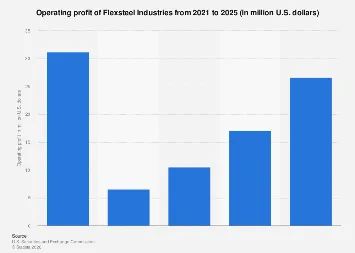
The financial landscape for furniture manufacturers like Flexsteel Industries is increasingly characterized by intricate variables, demanding rigorous forecasting and strategic adaptation. While specific operating profit figures for fiscal year 2025 remain proprietary data requiring subscription access, the broader economic and industry trends provide a compelling framework for understanding the potential trajectory of such a company. Flexsteel, a well-established player in the upholstered furniture and recreational vehicle (RV) seating markets, operates within sectors highly sensitive to consumer discretionary spending, interest rates, and the persistent ripple effects of global supply chain disruptions.
The United States furniture market, a key operational theater for Flexsteel, has exhibited a complex recovery pattern post-pandemic. While initial surges in demand fueled by stimulus packages and a home-centric lifestyle led to robust sales, a subsequent moderation has become evident. Inflationary pressures have squeezed household budgets, leading consumers to re-evaluate non-essential purchases, including home furnishings. Concurrently, the RV sector, a significant segment for Flexsteel’s seating division, has experienced its own recalibration after an unprecedented boom. Higher interest rates have impacted financing for large purchases like recreational vehicles, a factor that directly influences demand for OEM seating components.
Analyzing Flexsteel’s potential 2025 operating profit necessitates a deep dive into several critical economic indicators and industry-specific dynamics. Firstly, consumer confidence remains a paramount driver. A sustained increase in consumer sentiment, often correlated with job growth and wage gains, typically translates to higher spending on durable goods. Conversely, any dip in confidence, driven by economic uncertainty or geopolitical instability, can quickly dampen demand for furniture and RVs. As of late 2023 and early 2024, consumer sentiment has shown signs of improvement in some regions, but persistent inflation and concerns about a potential economic slowdown continue to cast a shadow.
Secondly, the cost of raw materials and manufacturing inputs is a direct determinant of operating profit margins. Flexsteel, like many in the industry, relies on a variety of commodities, including steel, wood, foam, and fabric. Fluctuations in global commodity prices, driven by geopolitical events, energy costs, and supply-demand imbalances, can significantly impact the cost of goods sold. The post-pandemic era has been marked by unprecedented volatility in these markets. While some material costs have eased from their peaks, others remain elevated, requiring manufacturers to either absorb these costs, thereby reducing margins, or pass them on to consumers through price increases, which can in turn impact sales volume.
Thirdly, interest rate policies enacted by central banks globally, particularly the U.S. Federal Reserve, play a crucial role. Higher interest rates increase the cost of borrowing for both businesses and consumers. For Flexsteel, this means higher financing costs for inventory and capital expenditures. For consumers, it translates to more expensive mortgages and loans for big-ticket items like RVs, directly affecting demand. The Fed’s stance on interest rates for 2025 will be a critical factor in shaping the economic environment for furniture and RV manufacturers. A pivot towards rate cuts could stimulate demand, while continued tightening or prolonged high rates could further suppress it.
The competitive landscape also warrants consideration. The furniture industry is fragmented, with numerous players ranging from large, vertically integrated manufacturers to smaller, specialized firms. Flexsteel competes on factors such as product design, quality, price, and distribution network. Emerging trends in consumer preferences, such as a growing demand for sustainable and eco-friendly products, or a shift towards online purchasing and direct-to-consumer models, present both opportunities and challenges. Companies that can effectively adapt their product offerings and sales channels to these evolving tastes are likely to fare better.
Furthermore, the global economic outlook for 2025 will influence international demand for Flexsteel’s products, if applicable, and the cost of its supply chain. Economic growth in key international markets, coupled with currency exchange rates, can impact export sales and the cost of imported components. The ongoing integration of global supply chains, while showing some signs of normalization, still faces risks from trade tensions, regional conflicts, and climate-related disruptions.
Flexsteel’s strategic initiatives, such as investments in automation, new product development, and market diversification, will also be key determinants of its profitability. Companies that invest in efficiency improvements can mitigate rising labor and material costs. Innovation in product design and materials can help capture market share and command premium pricing. Expanding into new geographic markets or product categories can provide avenues for growth and reduce reliance on any single segment.
While precise figures for Flexsteel’s 2025 operating profit are not publicly available, a comprehensive analysis of the prevailing economic winds suggests a cautiously optimistic yet challenging outlook. The company’s ability to navigate inflationary pressures, adapt to evolving consumer preferences, manage supply chain complexities, and strategically invest in its operations will be critical to achieving robust financial performance. The furniture and RV industries are inherently cyclical, and success in 2025 will hinge on Flexsteel’s agility and foresight in responding to a dynamic global economic environment. The company’s historical resilience and established market position provide a solid foundation, but continuous adaptation will be essential to thrive in the years ahead.