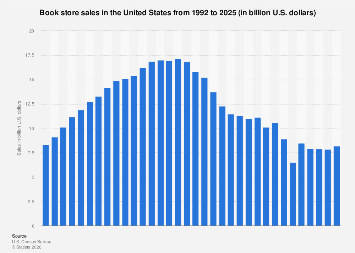
The American bookstore landscape, long perceived as a bellwether for literary consumption and a vital component of local retail ecosystems, is projecting a period of steady, albeit moderate, revenue growth through the year 2025. While the digital revolution has undeniably reshaped the book market, brick-and-mortar bookstores are demonstrating resilience, adapting to changing consumer preferences and leveraging unique advantages to maintain their relevance. Projections indicate a continued upward trajectory for sales, suggesting that the tactile experience of browsing shelves, the serendipitous discovery of new authors, and the community aspect offered by physical stores still hold significant appeal for a substantial segment of the reading public.
The market data, while not detailing specific dollar figures in this context, points towards an annualized growth rate that, while not explosive, signifies a healthy and sustained recovery and expansion for the sector. This anticipated growth is occurring against a backdrop of significant transformation within the broader retail industry, where online behemoths have fundamentally altered purchasing patterns. However, bookstores are carving out a distinct niche, often supported by a loyal customer base that values the curated experience and expert recommendations often found within their walls. This trend is not isolated to the United States; similar patterns of adaptation and niche market strength are being observed in other developed economies grappling with the digital shift in media consumption.
Several factors are contributing to this projected growth. Firstly, there has been a discernible resurgence in the appreciation for physical books, particularly among younger demographics who may have initially been drawn to e-readers. This phenomenon can be attributed to a desire for a less screen-dependent lifestyle, the aesthetic appeal of book covers and print, and the tangible satisfaction of owning a physical object. Furthermore, the "buy local" movement continues to gain traction, with consumers increasingly seeking to support independent businesses that contribute to the cultural fabric of their communities. Bookstores, especially independent ones, often serve as de facto community hubs, hosting author readings, book clubs, and children’s story times, fostering a sense of belonging that online retailers cannot replicate.
The strategic positioning of bookstores is also playing a crucial role. Many are diversifying their offerings beyond just books. This includes expanding into related merchandise such as stationery, unique gifts, artisanal coffee and tea, and even small food and beverage services. These complementary revenue streams not only enhance profitability but also transform the bookstore into a more comprehensive destination, encouraging longer customer visits and increased spending. This multi-faceted approach to retail experience is a direct response to competition from online platforms, shifting the value proposition from mere transaction to an immersive experience.
Statistics from various industry analyses suggest that while online book sales continue to dominate in terms of volume, the market share of physical bookstores has stabilized and, in some instances, is showing signs of recovery. This stabilization is a testament to the effective strategies employed by booksellers to differentiate themselves. For instance, many independent bookstores have invested in sophisticated inventory management systems and e-commerce capabilities, allowing them to offer the convenience of online ordering for in-store pickup or local delivery, bridging the gap between the digital and physical realms. This hybrid model caters to the modern consumer’s demand for both convenience and personalized service.
The economic impact of this sustained bookstore activity extends beyond direct sales. Bookstores employ a significant workforce, from booksellers and managers to marketing and administrative staff. Their continued operation supports local economies through job creation and tax revenue. Moreover, bookstores play a critical role in fostering literacy and a culture of reading, which has broader societal and economic benefits, including a more informed citizenry and a better-prepared workforce. The health of the publishing industry itself is intrinsically linked to the sales channels available, and a robust bookstore sector ensures a diverse and competitive marketplace for authors and publishers alike.
Global comparisons offer further context. In countries like the United Kingdom and Canada, similar trends of bookstore resilience are evident, with independent booksellers often being at the forefront of innovation and community engagement. While the scale of the U.S. market is considerably larger, the underlying principles of adaptation and customer-centricity appear to be universal drivers of success in the current retail environment. The challenge, however, remains significant. The ongoing pressure from online retailers, coupled with fluctuating consumer spending power and rising operational costs such as rent and labor, necessitates continuous strategic evaluation and adaptation for bookstores to thrive.
Market analysts suggest that the next few years will be critical for solidifying the gains made by bookstores. Continued investment in customer experience, innovative marketing campaigns, and strategic partnerships with local organizations will be paramount. The ability of bookstores to leverage their unique strengths – personal connection, curated selections, and community integration – will ultimately determine their long-term success in an increasingly digital and competitive marketplace. The projected growth through 2025, therefore, is not a foregone conclusion but rather a reflection of the industry’s determined efforts to reinvent itself and connect with consumers on a deeper level than a simple click-to-purchase transaction can provide. The narrative of the dying bookstore is, at least for the immediate future, being rewritten by a story of adaptation, community, and enduring appeal.