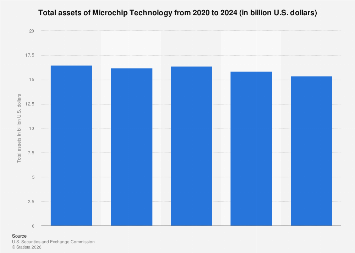
The valuation of major players in the global semiconductor industry, specifically looking at their total assets, offers a crucial barometer for the health and future trajectory of this strategically vital sector. As of the latest available data for 2024, the significant asset holdings of leading microchip technology firms underscore a period of substantial investment, expansion, and consolidation, reflecting both current market demands and anticipated technological advancements. These asset figures, encompassing tangible resources like manufacturing facilities, research and development centers, and intellectual property, alongside financial reserves, provide a granular view into the capital-intensive nature of chip production and innovation.
The semiconductor industry is currently navigating a complex landscape characterized by surging demand for advanced computing power across diverse applications, from artificial intelligence and cloud computing to automotive electronics and the Internet of Things. This sustained demand directly translates into increased capital expenditure by chip manufacturers. Companies are investing heavily in expanding foundry capacities, upgrading existing fabrication plants (fabs) with state-of-the-art equipment, and accelerating research into next-generation chip architectures and materials. The sheer scale of these investments necessitates robust financial backing and a significant asset base.
Examining the total assets of leading semiconductor companies reveals a clear trend of growth. For instance, major foundries like TSMC (Taiwan Semiconductor Manufacturing Company) and Samsung Electronics, along with fabless semiconductor giants such as NVIDIA, Qualcomm, and Intel, consistently report multi-billion dollar asset portfolios. These figures are not static; they are dynamic indicators of strategic decisions, such as mergers and acquisitions, capacity expansions, and R&D initiatives. The reported asset values for 2024 are expected to reflect the ongoing global race to secure advanced chip manufacturing capabilities, particularly in light of geopolitical considerations and supply chain resilience concerns that have been amplified in recent years.
The United States, for example, through initiatives like the CHIPS and Science Act, is actively encouraging domestic semiconductor manufacturing and R&D. This policy environment is likely spurring increased asset acquisition and facility development by companies operating within or seeking to enter the U.S. market. Similarly, Europe is pursuing its own Chips Act to bolster its position in the global semiconductor ecosystem. These governmental efforts, aimed at de-risking supply chains and fostering technological sovereignty, are powerful catalysts for asset growth within the industry.
Globally, the Asian continent, particularly Taiwan, South Korea, and China, remains at the forefront of semiconductor manufacturing. The asset bases of companies headquartered in these regions are immense, reflecting decades of focused investment and market dominance. TSMC’s vast network of advanced fabrication plants, for instance, represents a colossal asset base that underpins its role as the world’s leading contract chip manufacturer. Samsung’s diversified operations, spanning memory chips, logic chips, and consumer electronics, also contribute to its formidable asset valuation.
The strategic importance of semiconductors cannot be overstated. They are the foundational components of virtually all modern electronic devices and digital technologies. Consequently, fluctuations in the asset values of semiconductor companies can have ripple effects across a wide array of downstream industries. A company with a strong asset base is better positioned to meet demand, innovate, and weather economic downturns. Conversely, a weakening asset position could signal challenges in maintaining competitiveness or fulfilling market orders.
The methodology for calculating total assets is standardized, typically encompassing current assets (cash, accounts receivable, inventory) and non-current assets (property, plant, and equipment, intangible assets, long-term investments). For semiconductor companies, the "property, plant, and equipment" category is particularly significant, representing the immense cost of building and maintaining sophisticated manufacturing facilities, which can run into tens of billions of dollars for a single advanced fab. Intangible assets, including patents and proprietary technologies, also represent a substantial and growing component of their value.
Market analysts closely scrutinize these asset figures as part of their broader financial assessments. They use this data in conjunction with revenue growth, profitability margins, and market share to form investment recommendations and economic forecasts. The trend of increasing total assets among leading semiconductor firms generally indicates a positive outlook for the industry, suggesting that companies are confident in future demand and are making strategic investments to capitalize on emerging technological opportunities.
However, the industry is not without its challenges. The cyclical nature of semiconductor demand, geopolitical tensions impacting supply chains and trade, and the ever-increasing cost of R&D and manufacturing are constant factors. The substantial capital required for expansion means that companies must carefully balance investment with financial prudence. High asset values, while indicative of strength, also carry the burden of depreciation and the risk of obsolescence if technological shifts occur rapidly.
The increasing consolidation within the industry, marked by significant mergers and acquisitions, also influences total asset figures. When one company acquires another, its asset base expands considerably. This trend suggests a drive for scale, vertical integration, and access to new technologies or markets. The pursuit of dominance in specific segments, such as high-performance computing or specialized AI chips, is often facilitated by consolidating resources and assets.
Looking ahead, the trajectory of total assets for semiconductor companies will likely continue to be shaped by the relentless pace of technological innovation. The development of advanced packaging techniques, novel materials, and more energy-efficient chip designs will require continuous investment in new equipment and facilities. Furthermore, the increasing integration of semiconductors into sectors like autonomous vehicles, advanced medical devices, and sustainable energy solutions will further fuel demand and, consequently, the need for expanded manufacturing capabilities and R&D resources.
In conclusion, the substantial and growing total asset valuations of leading microchip technology firms in 2024 are more than just accounting figures; they are a testament to the industry’s critical role in the global economy and its ongoing commitment to innovation and expansion. These figures reflect significant capital deployment aimed at meeting the escalating demand for advanced computing power and securing a competitive edge in a rapidly evolving technological landscape. As the world becomes increasingly digitized, the asset strength of semiconductor manufacturers will remain a key indicator of their ability to power future progress and economic growth.