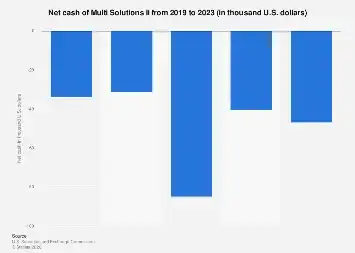
In the dynamic landscape of global finance, the net cash position of a corporation serves as a critical barometer of its financial health, operational efficiency, and strategic flexibility. For the fiscal year 2023, a comprehensive analysis of corporate balance sheets reveals a complex interplay of factors influencing liquidity, from robust economic expansions in certain sectors to persistent inflationary pressures and geopolitical uncertainties that continue to shape market sentiment and investment decisions. Understanding these net cash figures is not merely an academic exercise; it provides actionable intelligence for investors, creditors, and management alike, informing critical decisions about capital allocation, debt management, and future growth strategies.
The concept of net cash, often derived by subtracting a company’s total debt from its total cash and cash equivalents, offers a concise snapshot of a firm’s immediate financial strength. A positive net cash position indicates that a company has more liquid assets than outstanding debt, signifying a strong capacity to meet short-term obligations, fund operational needs, and potentially engage in strategic acquisitions or shareholder returns. Conversely, a negative net cash position, often referred to as net debt, suggests a reliance on borrowed funds to finance operations and assets, necessitating careful monitoring of debt covenants and interest coverage ratios.
For 2023, the data surrounding corporate net cash positions presents a nuanced picture. While some industries, particularly those benefiting from digital transformation, strong consumer demand for essential goods, or government stimulus, have reported substantial increases in their cash reserves, others have grappled with rising input costs, supply chain disruptions, and a slowdown in consumer discretionary spending. This divergence highlights the sector-specific impacts of the prevailing economic climate. For instance, technology companies, fueled by continued investment in cloud computing, artificial intelligence, and cybersecurity, have often maintained or even augmented their significant cash piles, enabling them to weather economic downturns and invest heavily in research and development. Similarly, companies within the renewable energy sector have seen a surge in investment, leading to improved liquidity as they expand production capacity to meet global decarbonization targets.
However, the broader macroeconomic environment of 2023 has been characterized by persistent inflation, which has eroded the purchasing power of cash and increased the cost of borrowing. Central banks globally have responded with a series of interest rate hikes, aiming to curb inflation but also increasing the debt servicing burden for companies. This has led to a scenario where even companies with seemingly healthy gross cash balances may find their net cash position under pressure due to higher interest expenses on their debt. The cost of capital has risen significantly, making it more expensive for businesses to finance operations or expansion through debt. This trend is particularly concerning for highly leveraged companies, which may face challenges in refinancing existing debt or securing new funding on favorable terms.
Examining global comparisons, the net cash positions of companies in emerging markets often present a different dynamic compared to their developed market counterparts. While some emerging economies have experienced robust growth, they may also be subject to greater currency volatility and geopolitical risks, which can impact cash flows and the valuation of foreign currency-denominated assets and liabilities. Companies in regions heavily reliant on commodity exports, for example, might have seen their cash positions fluctuate significantly with commodity price cycles. Conversely, regions that have successfully attracted foreign direct investment and fostered stable economic policies may exhibit stronger corporate liquidity. The resilience of the Chinese economy, for instance, and its impact on the net cash positions of its domestic corporations, remains a significant factor in the global economic equation.
The strategic implications of a company’s net cash position extend beyond immediate solvency. A strong net cash position can be a powerful strategic weapon, providing the flexibility to:
- Pursue Mergers and Acquisitions (M&A): Companies with ample cash can acquire competitors, expand into new markets, or acquire crucial technologies without the need for extensive external financing, potentially at favorable valuations during economic downturns. The recent surge in M&A activity in certain sectors, often fueled by companies with strong balance sheets, underscores this point.
- Invest in Innovation and R&D: Sustained investment in research and development is crucial for long-term competitiveness. A healthy cash reserve allows companies to commit to ambitious innovation projects, even in uncertain economic times, without compromising other operational necessities.
- Return Capital to Shareholders: Companies with robust liquidity can enhance shareholder value through dividends, share buybacks, or special distributions, signaling confidence in their financial stability and future prospects.
- Navigate Economic Downturns: A substantial cash buffer acts as a crucial safety net, enabling companies to withstand periods of reduced revenue, increased costs, or disrupted supply chains without resorting to drastic cost-cutting measures that could harm long-term growth potential.
Conversely, a persistently negative net cash position, or net debt, can constrain a company’s strategic options. It may limit its ability to invest in growth, make strategic acquisitions, or respond effectively to unforeseen challenges. In such scenarios, companies often focus on debt reduction, improving operational efficiency to generate more cash, or seeking equity financing, which can dilute existing shareholder ownership.
The accuracy and accessibility of financial data are paramount for such analyses. Platforms that provide detailed financial statistics, including net cash positions, have become indispensable tools for financial professionals. These resources offer granular data on individual companies, industry averages, and historical trends, enabling sophisticated market analysis and informed decision-making. The subscription-based models for accessing such premium data, often tiered based on the depth and breadth of information required, reflect the significant value placed on timely and comprehensive financial intelligence in today’s competitive business environment. For example, access to real-time financial statements, analyst reports, and customized market data can range from hundreds to thousands of dollars annually, depending on the user’s needs.
Looking ahead, the net cash positions of corporations in 2024 will likely continue to be influenced by the ongoing battle against inflation, the trajectory of interest rates, and the evolution of geopolitical risks. Companies that can effectively manage their debt, optimize their working capital, and maintain strong operational cash flow generation are best positioned to thrive. The emphasis on financial discipline and strategic capital allocation will remain paramount, as businesses navigate an economic landscape that demands both resilience and adaptability. The ability to maintain a healthy net cash position will be a key differentiator, enabling companies to seize opportunities, mitigate risks, and ultimately drive sustainable growth in an ever-changing global economy. The data from 2023 serves as a critical benchmark, offering insights into the challenges and triumphs of corporate finance in a period of significant economic flux.