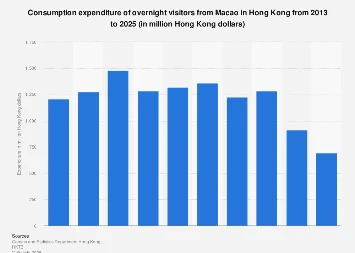
Hong Kong’s vibrant tourism sector is anticipating a substantial economic uplift, with projections indicating a significant increase in spending by visitors from Macau over the next few years, culminating in a notable surge by 2025. This forecast, rooted in evolving travel patterns and the deepening economic integration between the two Special Administrative Regions (SARs), suggests a robust recovery and expansion for Hong Kong’s hospitality, retail, and entertainment industries. The anticipated influx of Macau patrons represents a crucial element in Hong Kong’s broader strategy to revitalize its post-pandemic tourism landscape and reassert its position as a premier global destination.
The economic relationship between Hong Kong and Macau is intrinsically linked, characterized by extensive cross-border movement for business, leisure, and family visits. Macau, renowned for its thriving integrated resorts and gaming industry, acts as a significant source market for Hong Kong’s non-gaming tourism offerings. Factors such as improved transportation infrastructure, including the Hong Kong-Zhuhai-Macau Bridge, have dramatically reduced travel times and enhanced accessibility, making day trips and short stays increasingly feasible for Macau residents. This ease of access is a primary driver behind the optimistic spending projections.
Current data and market analysis point towards a steady upward trajectory in tourism expenditure. While specific figures for 2025 are proprietary projections, industry experts highlight several key indicators supporting this positive outlook. The gradual normalization of travel protocols, coupled with a pent-up demand for experiential tourism, is expected to fuel a significant rebound in visitor numbers. Macau residents, in particular, have demonstrated a consistent propensity to spend on shopping, dining, and cultural attractions in Hong Kong, often seeking a broader range of retail options and a different urban experience compared to their home city.
The anticipated growth in tourism spending from Macau is not merely about an increase in volume but also about a potential enhancement in the average spending per visitor. As Hong Kong continues to diversify its tourism products, offering more high-end retail, fine dining, and unique cultural events, it is likely to attract a segment of Macau visitors with higher disposable incomes seeking premium experiences. The city’s appeal as a shopping paradise, with its wide array of luxury brands and diverse retail outlets, remains a powerful draw. Furthermore, the culinary scene in Hong Kong, from Michelin-starred restaurants to vibrant street food markets, offers a compelling reason for culinary tourism.
Economically, a sustained increase in tourism spending from Macau would provide a much-needed stimulus to Hong Kong’s economy. The tourism industry is a significant employer, supporting jobs in hotels, restaurants, transportation, retail, and various ancillary services. An uplift in visitor expenditure directly translates into increased revenue for businesses, contributing to GDP growth and tax receipts for the government. Moreover, it can foster a multiplier effect, as increased business activity leads to job creation and higher consumer spending within the broader economy.
Global tourism trends also play a role in this projection. As international travel gradually resumes, Hong Kong is working to regain its pre-pandemic standing. The proximity and cultural ties with Macau make its residents a reliable and accessible source of tourism revenue, providing a stable foundation upon which to rebuild and attract a wider international audience. The success in attracting and retaining Macau visitors can serve as a positive signal to other international markets, showcasing Hong Kong’s continued attractiveness and operational capacity.
However, the realization of these optimistic forecasts is contingent on several factors. The ongoing economic performance in both Macau and mainland China, the primary source of Macau’s workforce and a significant influencer of its economic activity, will undoubtedly impact travel budgets and willingness to spend. Global economic headwinds, such as inflation and potential recessions in other major economies, could also indirectly affect sentiment and spending patterns. Furthermore, the competitive landscape within the Greater Bay Area (GBA) is evolving, with other cities in the region also vying for tourism revenue. Hong Kong must continuously innovate and enhance its offerings to maintain its competitive edge.
The Hong Kong Tourism Board (HKTB) and various industry stakeholders are actively engaged in strategic initiatives to capitalize on this anticipated surge. These efforts include targeted marketing campaigns aimed at Macau residents, collaborations with Macau-based travel agencies and businesses, and the development of new tourism products and experiences that cater to evolving preferences. The focus is increasingly shifting towards promoting a more diversified tourism experience beyond traditional shopping, encompassing culture, heritage, nature, and niche interests.
The development of the GBA itself presents a unique opportunity. As the region becomes more interconnected, Hong Kong can position itself as a central hub for tourism and leisure activities within the GBA, drawing visitors from Macau and other GBA cities. This regional integration could lead to the development of multi-destination travel packages, further enhancing the appeal and length of stay for visitors.
In conclusion, the projection of increased tourism spending from Macau by 2025 offers a positive economic outlook for Hong Kong. This forecast underscores the enduring importance of the SAR-to-SAR relationship and highlights the potential for robust recovery and growth in Hong Kong’s vital tourism sector. By leveraging its inherent strengths, adapting to changing market dynamics, and continuing to invest in its tourism infrastructure and offerings, Hong Kong is well-positioned to benefit significantly from the anticipated influx of visitors and their spending power. The strategic focus on this key source market provides a tangible pathway towards economic revitalization and sustained prosperity.