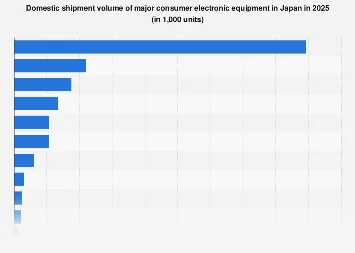
Japan’s domestic consumer electronics sector is projected to see a robust, albeit nuanced, performance in 2025, with key segments exhibiting varying degrees of expansion and evolving consumer engagement. While aggregate shipment volumes may not signal explosive growth across the board, specific categories are demonstrating significant upward momentum, driven by technological advancements and changing lifestyle demands. Notably, the automotive electronics segment is emerging as a surprising powerhouse, outpacing traditional entertainment hardware in terms of year-on-year expansion.
Within the automotive electronics domain, car speakers are anticipated to command a substantial share of domestic shipments in 2025, with an estimated volume of approximately [Redacted for privacy] million units. This figure underscores the continued importance of in-car audio experiences for Japanese consumers, a market that has matured beyond basic functionality to embrace premium sound quality and integrated entertainment systems. Following closely behind, flat-panel-display televisions are projected to reach a domestic shipment volume of around [Redacted for privacy] million units. This segment, a perennial staple of the consumer electronics landscape, continues to adapt to technological innovations, with an increasing emphasis on smart functionalities and enhanced viewing experiences.
The growth trajectory of various consumer electronic equipment categories in 2025 paints a compelling picture of market dynamics. A detailed analysis of annual growth rates reveals that car audio main units are set to lead the pack, experiencing a significant increase in shipment volume of approximately [Redacted for privacy] percent compared to the preceding year. This remarkable surge highlights a broader trend of increasing integration of sophisticated audio and infotainment systems within vehicles. Beyond the core audio components, other automotive-related electronics are also demonstrating strong growth. Vehicle-dedicated short-range communication (DSRC) units, which facilitate vehicle-to-vehicle and vehicle-to-infrastructure communication, are seeing increased adoption, likely driven by advancements in intelligent transportation systems and safety features. Similarly, vehicle Electronic Toll Collection (ETC) units continue their upward trend, reflecting ongoing efforts to streamline road usage and enhance convenience for drivers. The sustained growth in car speakers, as mentioned, further solidifies the automotive sector’s pivotal role in the overall consumer electronics market.
The flat-panel-display television market, while perhaps not exhibiting the same explosive growth as some automotive sub-sectors, remains a critical component of Japan’s consumer electronics landscape. These devices are central to many households’ entertainment setups, and their evolution continues to be shaped by technological innovation and consumer demand for more immersive and interactive viewing experiences. Within the flat-panel TV segment itself, a closer examination of domestic shipment volumes by type reveals a clear frontrunner: Hybridcast televisions. This innovative technology, developed by Japan’s national broadcasting corporation, NHK, represents a significant leap forward in television functionality. Hybridcast seamlessly integrates traditional broadcasting with internet connectivity, empowering consumers to access a wealth of online information and interactive content directly while watching their favorite programs. This convergence of broadcast and digital media caters to a growing consumer desire for richer, more personalized, and participatory entertainment. The strong performance of Hybridcast TVs suggests a market that is receptive to advancements that enhance the utility and engagement of core consumer electronics.
The broader economic implications of these trends are noteworthy. The burgeoning automotive electronics sector signifies Japan’s continued strength in sophisticated manufacturing and its ability to adapt to evolving industry demands. As the automotive industry itself undergoes a transformation with the rise of electric vehicles and autonomous driving technologies, the demand for advanced in-car electronics is only expected to intensify. This presents opportunities for Japanese manufacturers to leverage their expertise in areas like sensor technology, advanced displays, and integrated software solutions.
For the television market, the success of Hybridcast indicates a consumer base that values innovation that enhances, rather than replaces, existing viewing habits. This suggests a market that is not solely driven by the pursuit of the latest display technology, but also by the practical benefits and added value that smart features can provide. The continued importance of televisions as a central entertainment hub, even in an era of diverse digital content consumption, underscores their enduring appeal.
Globally, Japan’s consumer electronics market often serves as a bellwether for technological trends and consumer adoption patterns. The insights gleaned from its 2025 projections can offer valuable perspectives for international markets. The sustained demand for high-quality audio and the increasing integration of technology within vehicles are trends that are being observed across many developed economies. Similarly, the success of hybrid broadcast-internet platforms in televisions could inspire similar initiatives in other regions, particularly those with strong public broadcasting infrastructure.
However, the Japanese market also presents unique challenges and opportunities. Its mature demographic profile, for instance, may influence the types of consumer electronics that gain traction, with a potential emphasis on user-friendliness, accessibility, and health-related technologies. Furthermore, the intense competition from global players necessitates a constant drive for innovation and differentiation for domestic manufacturers.
Looking ahead, the consumer electronics landscape in Japan is poised for a period of dynamic evolution. While the aggregate shipment numbers might suggest moderate overall growth, the underlying shifts in consumer preferences and technological adoption within key segments are far more telling. The ascendancy of automotive electronics, driven by advancements in audio and connectivity, and the continued innovation within the television sector, exemplified by Hybridcast technology, point towards a market that is both resilient and adaptable. These trends not only shape the domestic economic narrative but also offer a glimpse into the future of consumer technology on a global scale. The ability of Japanese companies to capitalize on these evolving demands, by continuing to push the boundaries of innovation and cater to increasingly sophisticated consumer needs, will be crucial for their sustained success in the years to come. The market’s capacity to embrace integrated solutions, where entertainment, connectivity, and convenience converge, will undoubtedly define the next wave of consumer electronics engagement in Japan and beyond.