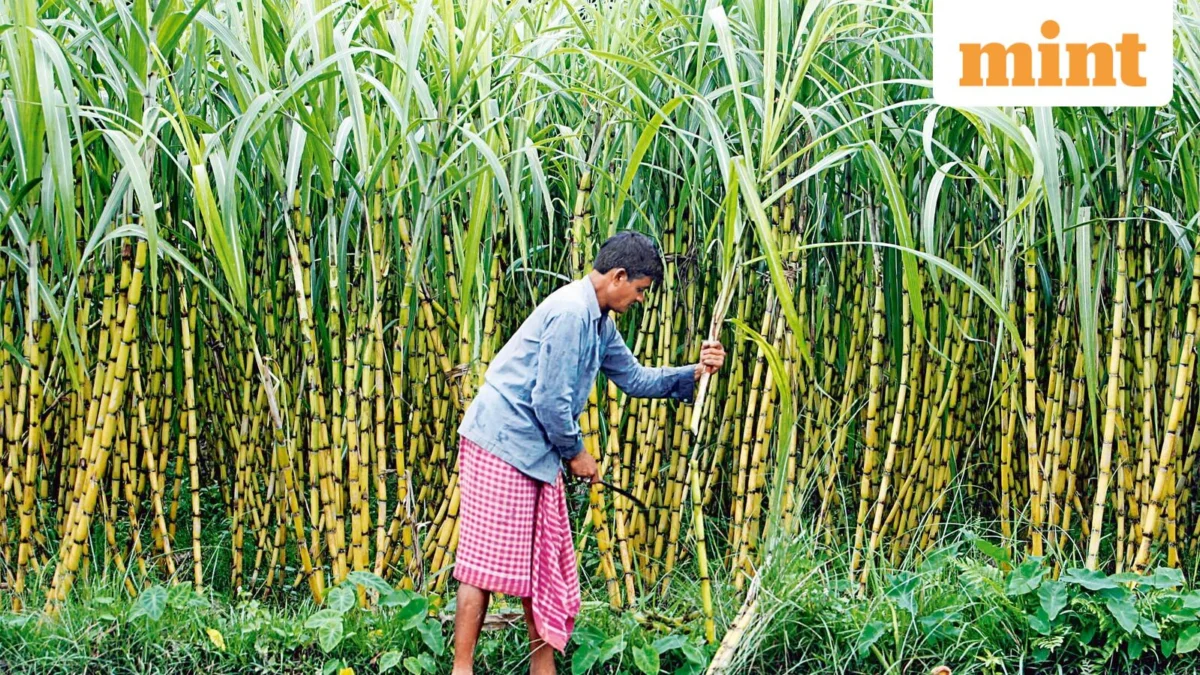
India’s prominent sugar industry bodies have formally petitioned the central government to initiate the 2026-27 sugar crushing season approximately 10 to 15 days ahead of its traditional October 1 start. This proactive proposal from the Indian Sugar & Bio-energy Manufacturers Association (ISMA) and the National Federation of Cooperative Sugar Factories Ltd (NFCSF) underscores a delicate balancing act between ensuring adequate domestic supply, stabilizing consumer prices, and managing the operational complexities for the nation’s 550 sugar mills. The request, subject to favourable agro-climatic conditions, highlights a strategic move to pre-empt potential market volatility and address supply concerns, particularly with the onset of India’s critical festive season.
The primary impetus behind this urgent appeal stems from a confluence of factors, most notably the recent upward trajectory in domestic sugar prices and the anticipated surge in demand during the festive period. Data from the consumer ministry indicates a significant 6.5% rise in sugar prices over the past month, reaching ₹50.7 per kilogram as of August 11. This price escalation has ignited concerns among policymakers and consumers alike, particularly as the country prepares for a series of major festivals like Diwali, Dussehra, and Eid, during which sugar consumption typically peaks. An earlier start to crushing would allow fresh sugar to enter the market sooner, theoretically easing supply pressures and helping to temper price inflation, thereby providing relief to households and businesses reliant on stable sugar costs.
Adding to the urgency are lessons learned from the previous crushing season. In 2025-26, several major sugar-producing states experienced significant delays in crushing operations. Maharashtra, a crucial contributor to India’s sugar output, officially commenced its season on November 1, a month later than usual, citing extensive waterlogging and delayed harvesting caused by prolonged monsoon and post-monsoon rains. Similarly, mills in Uttar Pradesh, another agricultural powerhouse, began operations on November 4. Such delays disrupt the supply chain, push back the availability of new season sugar, and can exacerbate price pressures, underscoring the industry’s desire for a smoother, earlier start this year to avoid a repeat scenario.
However, the proposed early commencement of crushing is not without its potential drawbacks, presenting a significant operational and financial dilemma for sugar mills. Crushing sugarcane before it reaches optimal maturity can lead to lower sugar recovery rates and reduced cane yields. Immature sugarcane typically contains less sucrose, meaning a smaller quantity of sugar is extracted from each tonne of cane processed. Industry experts suggest that even a marginal drop of 0.5% to 1% in sugar recovery across the national output could translate into millions of tonnes of lost sugar, significantly impacting mill efficiency and profitability. This trade-off between early market availability and optimal sugar extraction poses a complex challenge for the industry.
Recognizing these potential financial implications, ISMA and NFCSF have simultaneously urged the government to consider compensatory measures. They are seeking appropriate support to partially offset the anticipated losses associated with reduced recovery rates and cane yields. Such support could include direct subsidies, adjustments to the Fair and Remunerative Price (FRP) mechanism, or other financial incentives designed to safeguard the economic viability of sugar mills. These mills, encompassing private, public, and cooperative sectors, are pivotal employers in rural areas and significant contributors to the agricultural economy, making their financial health a critical policy consideration.

The broader agricultural landscape further complicates the supply outlook. Government data indicates a marginal decline in sugarcane acreage, which stood at 5.83 million hectares as of August 7, down from 5.86 million hectares during the corresponding period last year. While the total acreage in 2025 was 5.88 million hectares during the kharif season, the current dip, though modest, raises concerns about overall cane availability for the upcoming crushing season. The decrease in area has been particularly noted in states such as Uttarakhand, Maharashtra, Punjab, Madhya Pradesh, Bihar, Gujarat, Odisha, and Tamil Nadu. Conversely, states like Uttar Pradesh, Haryana, Assam, Telangana, Chhattisgarh, and Arunachal Pradesh have reported increased coverage. This uneven geographical distribution, coupled with the variability of monsoon rains and potential impacts from global climate phenomena like El Niño, means that final production figures will heavily depend on average yields and recovery rates achieved.
Despite these concerns, the government has maintained a reassuring stance, asserting that adequate quantities of sugar are available to meet domestic consumption requirements. India’s annual domestic sugar consumption is estimated to be around 28-28.5 million tonnes. A significant portion of this demand, approximately 60-65%, is attributed to institutional consumers, including the food and beverage industry, hotels, restaurants, and catering (HoReCa) sector, and processed food manufacturers. The remaining share caters to household consumption. ISMA’s preliminary estimates project sugar production for the 2025-26 sugar season to reach approximately 28 million tonnes, suggesting a tight but manageable supply-demand balance if these forecasts hold true.
Beyond an early crushing start, the government has already implemented several other policy interventions to stabilize sugar prices and manage supply. On July 28, the central government imposed stock holding limits on sugar dealers, effective from August 1 to November 30, 2026. This measure restricts dealers from holding stocks for more than 30 days and limits their inventories to 4,000 quintals, primarily aimed at curbing speculative trading and preventing hoarding, especially ahead of the festive season’s heightened demand. This move reflects a proactive strategy to prevent artificial scarcity and ensure market liquidity.
Further, in a significant policy shift on May 13, India moved to prohibit the export of raw, white, and refined sugar until September 30, 2026. This decision marked a departure from the earlier "restricted" export regime, prioritizing domestic availability over export revenues. While this ban aims to bolster internal supplies and exert downward pressure on prices, it includes exemptions for exports to the United States and the European Union under existing quota arrangements. India, being the world’s largest sugar producer and a major exporter (when allowed), sees its export policies significantly influence global sugar benchmarks like the ICE #11 futures, highlighting the international ramifications of its domestic decisions.
The interplay between sugar production and India’s ambitious ethanol blending program (EBP) adds another layer of complexity. The government aims to achieve 20% ethanol blending in petrol by 2025, a target that often necessitates diverting a portion of sugarcane, or its by-products like molasses, towards ethanol production rather than sugar manufacturing. While the EBP is crucial for energy security and reducing crude oil import bills, it inherently competes with sugar production for raw material. This policy nexus demands careful management to ensure neither sugar availability nor ethanol targets are unduly compromised.
In conclusion, the sugar industry’s plea for an early crushing season is a critical reflection of the intricate challenges facing India’s agricultural economy. It encapsulates the government’s delicate task of balancing the interests of millions of sugarcane farmers, the operational viability of sugar mills, the inflationary pressures impacting consumers, and the broader goals of food security and energy independence. The decision will require a meticulous assessment of current agro-climatic conditions, market dynamics, and the potential trade-offs between immediate market supply and long-term industry health. As India navigates these complex economic currents, adaptive policy measures and collaborative strategies will be essential to ensure a sweet and stable future for its vast sugar sector.