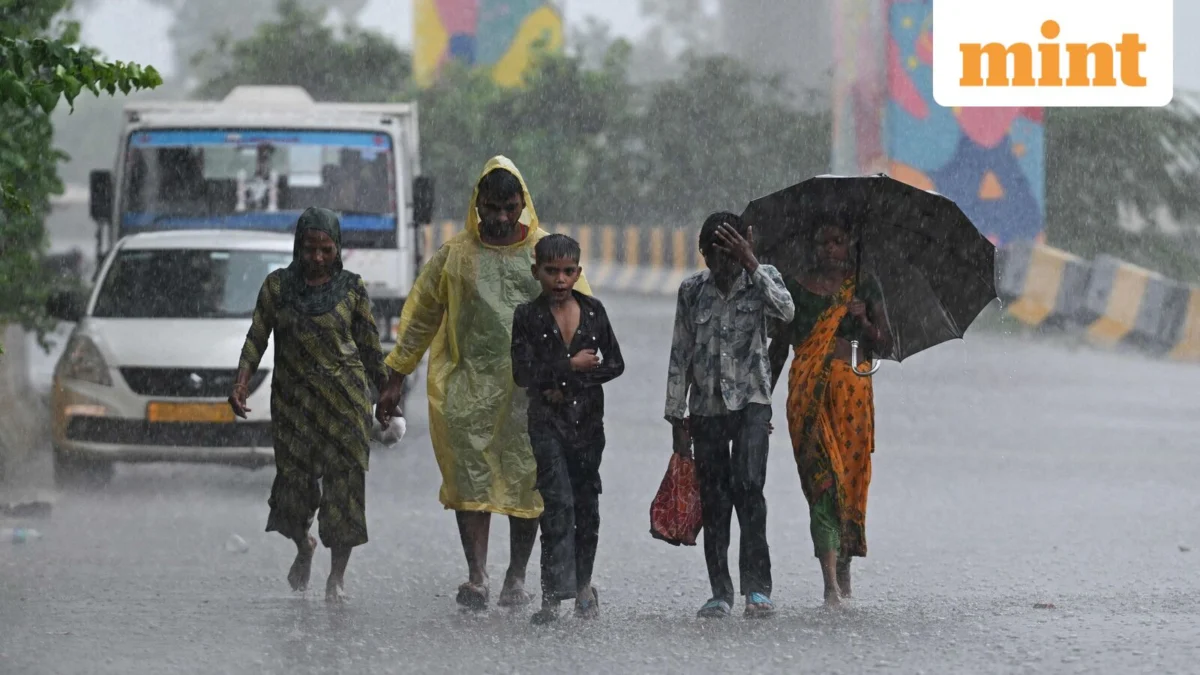
The intricate dance of India’s southwest monsoon, the lifeblood of its agrarian economy, has presented a deeply complex and concerning picture this season. After a tentative and significantly delayed start in June, which saw rainfall deficits plummet to 40% below the long-period average (LPA), a robust July revival managed to narrow the seasonal shortfall to 16% of LPA by late July. This recovery, while welcome, has been far from uniform, manifesting in stark contrasts: devastating deluges in some regions alongside persistent drought-like conditions in critical agricultural belts. The immediate gains from improved July rains, which helped narrow the year-on-year kharif sowing gap to less than 5%, are now shadowed by the specter of a historically potent El Niño event and critically depleted water reservoirs, signaling that India’s meteorological and economic challenges are far from abating.
The spatial and temporal unevenness of this year’s monsoon has been a defining characteristic, illustrating the increasing volatility attributed to climate change. While states like Gujarat, Assam, Jammu & Kashmir, and Himachal Pradesh bore the brunt of intense downpours and cloudbursts, leading to significant loss of life and property – with nearly 150 fatalities reported in July alone – other regions crucial for India’s food security continue to grapple with severe deficits. Meteorological data reveals that approximately 40% of the country has experienced rainfall shortfalls of 20% or more. Key agricultural states, including Karnataka, Telangana, Andhra Pradesh, Uttar Pradesh, Bihar, and Jharkhand, which collectively contribute substantially to India’s food grain production, face seasonal deficits exceeding 25%. This geographical disparity underscores a systemic vulnerability, as localized excesses do not compensate for widespread deficiencies in areas vital for agricultural output.
The ramifications for the agricultural sector, which employs nearly half of India’s workforce and contributes approximately 18-20% to its GDP, are profound. Kharif (summer) crop planting, predominantly rainfed, remains 4.7% lower compared to the previous year as of late July, despite the recovery from a 23% deficit in June. While this narrowing gap offers some relief, the overall acreage reduction impacts staple crops like rice, oilseeds, cotton, and coarse grains. Pulses, a critical source of protein for a large segment of the population, have been particularly hard hit, with acreage down by 7.5%, driven by sharp declines in key varieties such as tur (pigeon pea), which saw a 12% reduction, and maize, down nearly 10%. With crops now entering the crucial grain-formation stage, the quantum and distribution of August rainfall will be absolutely critical in determining final yields. Any further dry spells could severely compromise productivity, leading to reduced harvests and exacerbating the existing inflationary pressures.
Compounding these domestic weather anomalies is the formidable influence of El Niño, the warming phase of the El Niño-Southern Oscillation (ENSO) phenomenon in the Pacific Ocean. Historically, El Niño events have a strong correlation with suppressed monsoon rainfall in South Asia; since 1951, 12 out of 17 El Niño years have coincided with below-normal monsoon seasons in India. Global climate models are now projecting that the current El Niño, officially declared in June, could evolve into the strongest on record, potentially surpassing even the historically significant 1877-78 event. This unprecedented strength, combined with the underlying trend of human-induced climate change, suggests a prolonged period of meteorological stress. Forecasts indicate this El Niño could persist well into April 2027, portending not only drier conditions through the remainder of the monsoon but also record-breaking heatwaves and severe water scarcity during the summer of 2027 (March-May).

The direct economic consequence of these agricultural disruptions is heightened food inflation. Lower domestic production of essential commodities like pulses and oilseeds will inevitably increase India’s reliance on imports, making the nation vulnerable to global commodity price fluctuations. For instance, global oilseed prices were already 23% higher year-on-year in June, driven by rising palm oil costs, of which India is a major importer. While public stocks of rice and wheat are currently robust, potentially mitigating significant spikes in cereal prices, the volatility in vegetable prices is a serious concern. Heat stress, prolonged dry spells, and intermittent intense rainfall events can severely impact perishable goods, leading to sharp, localized price surges that disproportionately affect household budgets. Care Ratings projects consumer food inflation, which stood at 5.1% year-on-year in June, to firm up to 7.5% by the third quarter of FY27 (October-December), with an average of 6.1% for the entire fiscal year. Such elevated food inflation directly erodes purchasing power, particularly for lower-income households, and poses a significant challenge for the Reserve Bank of India in its monetary policy decisions.
Beyond the immediate agricultural season, the status of India’s water reservoirs presents a critical long-term concern. Monsoon rains are paramount for replenishing these vital water bodies, which in turn sustain irrigation for the subsequent winter (Rabi) crop cycle and provide water for urban consumption, industry, and hydropower generation. Current data for 166 key reservoirs reveals live storage at just 38% of capacity, a stark contrast to the 64% recorded at the same time last year. This deficit implies a severe constraint on irrigation for the upcoming Rabi season, which typically accounts for a significant portion of India’s wheat, barley, and mustard production. A compromised Rabi harvest, following a potentially sub-optimal Kharif season, could further entrench inflationary pressures and depress rural incomes, impacting broader economic demand and growth trajectory.
The dual threat of erratic monsoon patterns and a historically strong El Niño necessitates a robust, multi-pronged approach from policymakers. Short-term measures may include strategic releases from buffer stocks, targeted import policies for deficit crops, and direct income support for farmers in severely affected regions. However, the recurring nature of these climate-induced challenges demands a more comprehensive long-term strategy. This includes accelerated investment in climate-resilient agricultural practices, such as drought-resistant crop varieties, precision irrigation techniques, and improved water harvesting infrastructure. Enhancing early warning systems, leveraging AI-powered meteorological forecasting, and strengthening crop insurance mechanisms can provide crucial support to farmers. Furthermore, diversifying the agricultural value chain, promoting agro-processing, and investing in renewable energy to reduce reliance on hydro-power in water-stressed regions are essential steps towards building a more resilient economy in the face of escalating climate volatility.
The coming months will be a crucial test for India’s economic resilience and its capacity to adapt to the intensifying impacts of climate change. The confluence of an uneven monsoon, record-low reservoir levels, and an unprecedented El Niño event underscores the urgent need for integrated climate action, innovative agricultural policies, and robust social safety nets. The nation’s ability to navigate these meteorological headwinds will not only determine its immediate food security and inflation trajectory but also its long-term sustainable development pathway in a rapidly warming world.