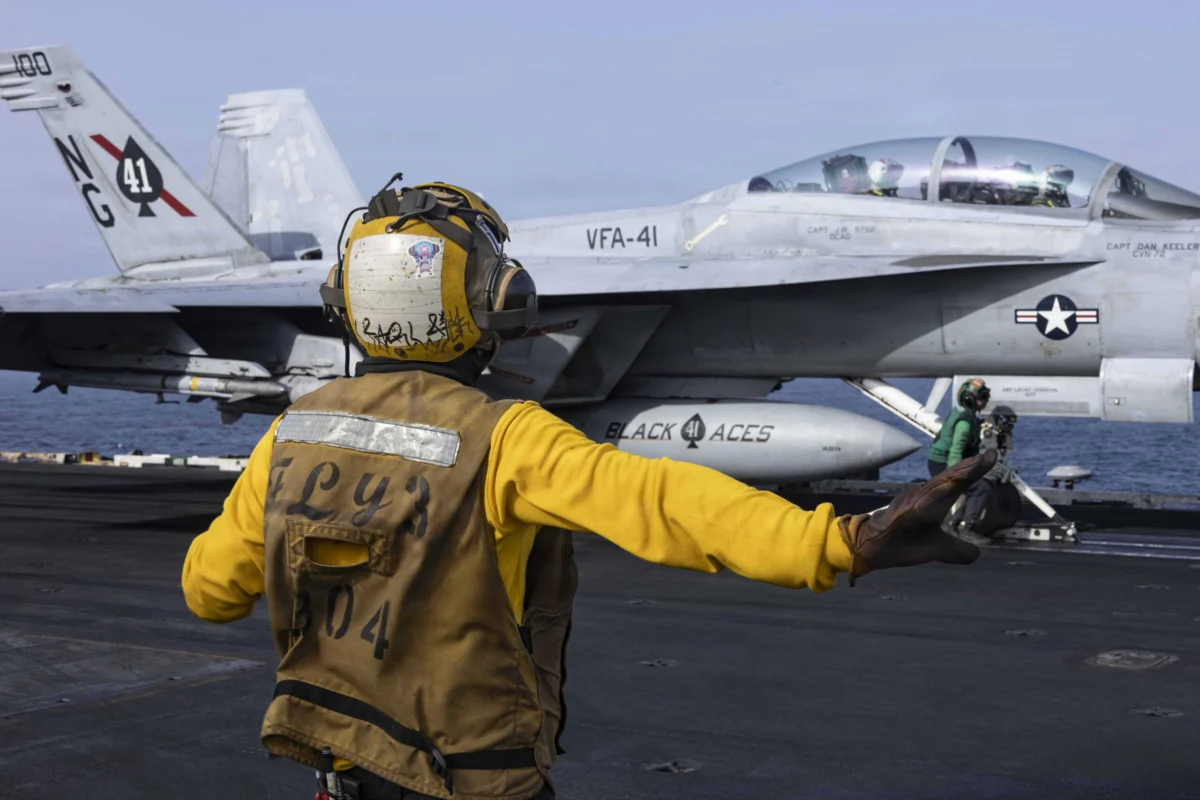
The geopolitical landscape of the Middle East has entered a volatile new chapter as direct and indirect hostilities between the United States and Iranian-backed forces reach a fever pitch. Following a tenth consecutive night of American-led strikes against Houthi targets in Yemen and a series of fatal encounters involving U.S. service members, the global financial community is being forced to recalibrate its risk models. While equity markets have historically demonstrated a remarkable ability to look past regional skirmishes, the current trajectory suggests a potential transition from a localized conflict into a broader economic disruption that could threaten the fragile post-pandemic recovery.
The immediate catalyst for the renewed anxiety centers on the maritime security of the Red Sea and the Persian Gulf. After the Houthis declared a maritime embargo against Saudi Arabia, the strategic importance of the Strait of Hormuz has once again become the focal point of global trade. This narrow waterway, through which approximately one-fifth of the world’s total oil consumption passes daily, represents a critical chokepoint for the global economy. Any sustained disruption to this route would not merely be a regional issue but a systemic shock to the international energy market, potentially sending crude prices into triple-digit territory.
Despite the gravity of the military situation, Wall Street has maintained a veneer of resilience. The S&P 500, though experiencing marginal declines in recent sessions, remains within striking distance of its June all-time highs. This stoicism is rooted in a prevailing investor belief that a full-scale, direct war remains an "undesirable outcome" for both Washington and Tehran. The consensus among institutional traders has long been that neither side can afford the catastrophic economic fallout of a total conflict, which would almost certainly tip the global economy into a deep recession. Consequently, the market has prioritized corporate fundamentals, buoyed by a robust second-quarter earnings season and cooling domestic inflation data.
However, market strategists warn that this complacency may be tested by the "duration" of the conflict. While the S&P 500 has rebounded significantly from its March lows, the persistence of elevated oil prices and rising Treasury yields creates a tightening effect on financial conditions. Brent crude’s recent surge past the $90-a-barrel threshold is a psychological and economic barrier that, if maintained, could force a downward revision of corporate earnings estimates for the remainder of the year. When energy costs remain elevated for an extended period, they act as a "stealth tax" on both corporations and consumers, eroding profit margins in sectors that cannot easily pass on costs.
The bond market is already reflecting this tension. The U.S. 10-year Treasury yield recently breached the 4.6% mark, a level that historically signals a shift in investor expectations regarding inflation and the Federal Reserve’s path. High yields often act as a gravity well for equity valuations, particularly in growth sectors. If the conflict sustains these high yields, the "equity risk premium"—the extra return investors demand for holding stocks over safe-haven government bonds—becomes less attractive, potentially triggering a broader market correction.
From a sector-specific perspective, the impact of the U.S.-Iran escalation is highly asymmetrical. The technology sector, which now commands a massive 38% weighting in the S&P 500, remains relatively insulated from energy price fluctuations due to its low reliance on physical logistics and fuel. This "tech shield" is a primary reason why the broader indices haven’t plummeted despite the headlines. In contrast, the energy sector accounts for a mere 3% of the index, meaning that while oil companies may see windfall profits, their gains are insufficient to offset broader losses in more sensitive areas.
The transport and logistics industries are currently the most exposed. Global airlines, exemplified by Ryanair’s recent reports of diminished quarterly profits, are grappling with a dual threat: rising jet fuel costs and a "chilling effect" on international bookings as travelers grow wary of regional instability. Similarly, logistics firms that underpin the global supply chain are seeing their operating costs climb as they reroute vessels away from high-risk zones, adding thousands of miles and significant fuel expenses to their voyages.
For the American consumer, the economic reality of the war is already being felt at the pump and in the household budget. Economic analysis suggests that the average U.S. household has effectively lost roughly $1,100 in purchasing power due to the combined effects of increased energy costs and the broader inflationary pressures exacerbated by military spending. This erosion of real disposable income is a classic precursor to recessionary behavior. In recent months, real income growth has flattened or turned negative, forcing many families to dip into personal savings to maintain their standard of living.
The personal saving rate in the United States has plummeted to approximately 3%, a significant drop from the 5% seen just a year ago. This suggests that the "cushion" provided by pandemic-era stimulus and previous tax reforms is rapidly deflating. Economists warn that there is "no obvious air pump" coming to reinflate these savings, leaving the consumer vulnerable to further shocks. If gasoline prices, which recently returned to the $4-per-gallon mark, continue to climb, the discretionary spending that drives 70% of the U.S. economy could see a sharp contraction.
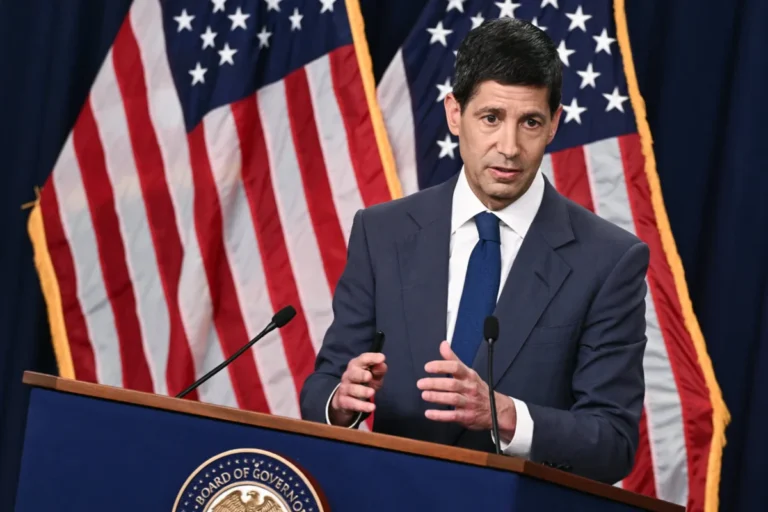
The Federal Reserve now finds itself in an increasingly complex position. The central bank’s primary goal is to return inflation to its 2% target, but geopolitical energy shocks are notoriously difficult to manage with monetary policy. While "headline" inflation—which includes food and energy—is likely to spike in response to the conflict, the Fed typically focuses on "core" inflation. The critical question for policymakers is whether these high energy costs will "bleed through" into the core economy, affecting the price of services and manufactured goods. If inflation expectations become unanchored due to the war, the Fed may be forced to keep interest rates higher for longer, further straining the housing market and corporate borrowing.
In the retail sector, a clear divergence is emerging in consumer habits. "Value-focused" retailers and those serving driving-dependent populations, such as Dollar General or Tractor Supply, may face headwinds as their core customers become more selective with their spending. Conversely, warehouse clubs like Costco and Sam’s Club are positioned to gain market share. These retailers often serve as a refuge for consumers hunting for value, with Costco recently reporting record-breaking fuel volumes as drivers seek out lower prices at the pump. This shift in market share reflects a broader "wallet management" strategy by the public, as they prioritize essentials over discretionary luxuries.
Despite the "all downside" outlook presented by some economists, a contingent of market bulls argues that the current volatility represents a buying opportunity. This perspective holds that the modern global market has become increasingly adept at pricing in geopolitical risk as a "transitory" factor. Proponents of this view suggest that unless the conflict leads to a permanent closure of major trade routes, the long-term upward trajectory of the market remains intact. This "buy the dip" mentality has been a winning strategy for much of the last decade, but its success depends on the conflict remaining contained.
As the U.S. and Iran continue their high-stakes game of military and economic brinkmanship, the global economy sits at a crossroads. The resilience of the American consumer and the dominance of the technology sector provide a temporary buffer, but that protection is not infinite. The "duration" of the conflict is now the most critical variable for investors. If the fighting persists into the final quarter of the year, the cumulative pressure of high energy costs, strained savings, and elevated interest rates may finally break the market’s resolve, transforming a regional crisis into a global economic reset. In this environment, the only certainty is that the "geopolitical discount" once applied to such conflicts is being replaced by a much more sober assessment of systemic risk.