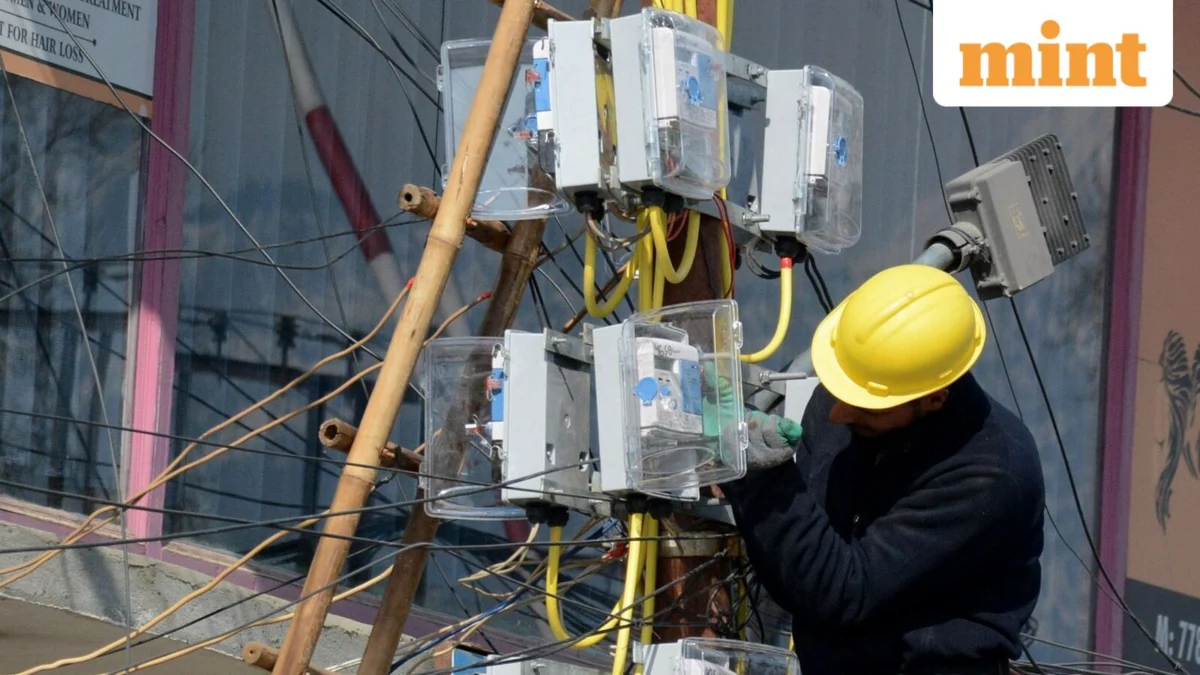
India is on the cusp of a significant policy transformation aimed at bolstering consumer trust and accelerating the nationwide rollout of smart metering infrastructure. At the heart of this reform lies a proposal from the Department of Consumer Affairs, channeled through its Legal Metrology Division, to decentralize the critical function of electricity meter testing. This initiative seeks to allow government-authorized private laboratories, known as Government Approved Test Centres (GATCs), to conduct independent verification of electricity meters. This marks a pivotal departure from the prevailing system, where state-owned power distribution companies (discoms) have held near-exclusive dominion over meter testing, a practice that has frequently fueled consumer skepticism and protracted billing disputes.
The existing paradigm has long presented a challenge for consumers. When confronted with an unexpectedly high electricity bill or a suspected faulty meter, the recourse typically involves submitting the meter to the very utility responsible for the billing. Tests are then conducted in laboratories either operated by or designated by the discom itself. This inherent lack of an independent arbiter has consistently been a source of contention for consumer advocacy groups, who argue that the process lacks transparency and impartiality. Consumer forums across the nation are inundated with complaints ranging from sudden spikes in charges and allegations of fast-running meters to issues with defective smart meters and disputes over replacement costs. Furthermore, under the current framework, if a meter is found to be accurate, consumers often bear the financial burden of the testing fees, and in cases where damage is attributed to consumer negligence or tampering, they may also be liable for replacement costs. This situation often leaves consumers feeling disempowered, with limited avenues for genuinely independent redressal.
The strategic rationale underpinning this proposed reform draws heavily from a successful precedent set earlier this year. The Department of Consumer Affairs amended the Legal Metrology (Government Approved Test Centre) Rules to permit private GATCs to verify fuel dispensers for petrol, diesel, compressed natural gas (CNG), liquefied natural gas (LNG), liquefied petroleum gas (LPG), and hydrogen. Previously, this vital verification work was predominantly undertaken by government departments. That reform was lauded for its potential to enhance transparency, streamline processes, reduce operational delays, and improve the ease of doing business by significantly expanding the available testing capacity. The principles guiding the electricity meter proposal are identical: to cultivate an independent verification mechanism that instills greater confidence in the outcomes of meter testing, thereby fostering trust in the overall billing ecosystem and reducing the volume of disputes escalating to consumer grievance redressal forums and electricity ombudsmen.
This policy shift arrives at a critical juncture for India’s energy sector, coinciding with one of the most ambitious smart metering programmes globally. The nation is targeting the installation of approximately 250 million smart meters, a monumental undertaking aimed at modernizing its electricity grid, enhancing billing accuracy, reducing aggregate technical and commercial (AT&C) losses, and empowering consumers with real-time consumption data. According to data from the Ministry of Power, smart metering works for 197.9 million consumers have been sanctioned under the Revamped Distribution Sector Scheme (RDSS). As of February 2026, around 45.5 million smart meters had been installed under RDSS, contributing to a total of 59.7 million installed across the country under various schemes. The sheer scale of this deployment underscores the imperative for robust and trustworthy meter accuracy. However, the initial phases of the smart meter rollout have not been without challenges. States like Uttar Pradesh, Maharashtra, Bihar, and Rajasthan have witnessed consumer protests and widespread reports of unexpectedly high bills following smart meter installations, prompting utilities to initiate inspections, awareness campaigns, and extensive meter verification exercises. These incidents highlight the critical need for an independent, credible mechanism to address consumer concerns and prevent the erosion of public confidence in this transformative technology.

The economic implications of this reform are multifaceted and far-reaching. For consumers, the primary benefit is enhanced protection and empowerment. Having access to an independent testing facility removes the perceived conflict of interest, ensuring that disputed bills are assessed fairly and objectively. This transparency can lead to quicker dispute resolution, potentially saving consumers time, stress, and financial burden. For the distribution companies, while it might appear to cede some control, the long-term benefits could include reduced administrative load from fewer disputes, improved customer relations, and greater public acceptance of smart metering technologies. By externalizing a contentious service, discoms can focus more on their core functions of power distribution and infrastructure maintenance.
The private sector stands to gain significantly from the opening of this new market segment. India’s electricity meter market is currently robust, dominated by key players such as Genus Power Infrastructures, Secure Meters, HPL Electric & Power, Larsen & Toubro, Schneider Electric, Adani Energy Solutions, Polycab India, and Genus Electrotech, alongside numerous advanced metering infrastructure (AMI) solution providers. The establishment of Government Approved Test Centres will create a new ecosystem for specialized testing laboratories, attracting investment, fostering innovation in testing methodologies, and generating employment opportunities for skilled technicians and engineers. This expansion of testing capacity is crucial. Experts like Vinit Mishra, Partner, Technology Consulting at EY India, emphasize that the limited availability of National Accreditation Board for Testing and Calibration Laboratories (NABL) and Bureau of Indian Standards (BIS)-accredited government laboratories has created testing bottlenecks, potentially slowing down smart meter deployment. Allowing accredited private laboratories to conduct meter testing can significantly reduce turnaround times, thereby supporting the efficient implementation of the RDSS and enabling government agencies to reallocate their focus towards enforcement and broader consumer grievance redressal.
However, the success of this reform hinges on the meticulous design and rigorous implementation of its regulatory framework. As Mishra cautions, the framework must incorporate robust regulatory oversight, transparent empanelment processes for private GATCs, periodic audits, and stringent safeguards against potential conflicts of interest. Without these checks and balances, the risk of compromising consumer confidence in meter accuracy remains. The Department of Consumer Affairs will need to establish clear accreditation standards, perhaps leveraging existing NABL and BIS guidelines, and implement a robust monitoring mechanism to ensure that private labs maintain the highest levels of integrity and technical competence. This would involve defining the scope of services, fee structures, grievance redressal mechanisms within the GATCs, and procedures for challenging their findings.
Globally, the approach to electricity meter testing varies. In many developed economies, independent regulatory bodies often oversee meter testing, and third-party accredited laboratories are frequently employed. For instance, in the United Kingdom, meter testing is governed by the Office of Gas and Electricity Markets (Ofgem), and certified meter examiners, who can be independent entities, conduct verification. Similarly, in parts of the European Union and the United States, independent testing and certification are standard practices, often mandated by regulatory authorities to ensure consumer protection and fair trade. India’s move aligns with these international best practices, signaling a commitment to consumer-centric governance and market liberalization within a regulated environment.
In conclusion, the proposed policy to allow private, government-approved laboratories to test electricity meters represents a strategic and forward-looking reform. It addresses a long-standing grievance of consumers, aiming to build trust and transparency in electricity billing, which is essential for a service as fundamental as power supply. By breaking the near-monopoly of discoms in meter verification, the government is not only empowering consumers but also injecting efficiency and capacity into a critical component of its ambitious smart grid modernization agenda. The success of this initiative will be measured not just by the number of private labs established, but by the tangible reduction in consumer disputes, the enhanced confidence in smart meter technology, and the overall strengthening of the regulatory framework that underpins India’s evolving energy landscape. It is a testament to the broader legal principle that justice must not only be done but must also be seen to be done, particularly in sectors that deeply impact the daily lives and finances of millions.