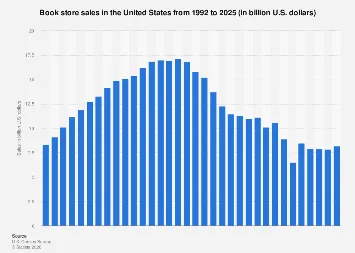
The American bookselling landscape, long perceived as vulnerable to digital disruption and shifting consumer habits, is demonstrating a surprising degree of resilience, with projections indicating modest but steady sales growth through 2025. While the allure of e-readers and online retail giants continues to shape the market, the enduring appeal of the physical bookstore, coupled with strategic adaptations, underpins this optimistic outlook. Industry analysts anticipate a compound annual growth rate (CAGR) that, while not spectacular, signifies a stable and evolving sector.
The narrative of bookstores’ demise has been a recurring theme for over two decades, fueled by the rise of Amazon and the proliferation of digital formats. However, this perspective often overlooks the multifaceted role physical bookstores play in their communities. Beyond mere retail outlets, they serve as cultural hubs, spaces for discovery, and vital contributors to local economies. This intrinsic value, combined with evolving business models, is proving instrumental in their continued viability. Data from market research firms suggests that while online sales will continue to capture a significant share, the brick-and-mortar segment is stabilizing and, in some cases, experiencing a resurgence. This stabilization is not a return to past glories, but rather a testament to a sector that has learned to adapt and differentiate.
Several key factors are contributing to this projected growth. Firstly, there’s a growing consumer appreciation for the tangible experience of browsing physical books – the serendipity of discovery, the tactile sensation of paper, and the atmosphere of a well-curated store. This "experience economy" trend extends to retail, where consumers seek more than just a transaction. Independent bookstores, in particular, have capitalized on this by transforming their spaces into community centers, offering author events, book clubs, workshops, and even cafes. These initiatives foster customer loyalty and create a unique value proposition that online retailers struggle to replicate. For instance, a recent survey indicated that a significant percentage of book buyers still prefer purchasing physical books from bookstores, citing the in-store experience as a primary motivator.
Secondly, the publishing industry itself is adapting. While digital sales remain robust, there has been a notable stabilization, and even slight increases, in print book sales in recent years. This suggests a plateauing of the digital shift and a renewed interest in print for many readers. Publishers are responding with innovative formats, aesthetically pleasing editions, and targeted marketing campaigns that highlight the enduring appeal of physical books. This synergy between publishers and booksellers is crucial for sustaining the market. The diversification of book genres and the continued popularity of certain categories, such as children’s literature and genre fiction, also provide a steady demand for physical copies.
Furthermore, the economic impact of bookstores extends beyond their direct sales figures. They are employers, drawing talent and contributing to local tax revenues. The revitalization of main streets and urban centers often includes the presence of thriving independent bookstores, which act as anchors for other businesses. Their role in fostering literacy and intellectual curiosity within a community has immeasurable long-term societal benefits. In an era where personalized recommendations and curated selections are highly valued, bookstores offer a human touch that algorithms cannot fully replicate. This personalized service is a significant differentiator, encouraging repeat business and word-of-mouth marketing.
However, challenges persist. The ongoing pressure from online retailers, particularly regarding pricing and convenience, remains a formidable obstacle. Bookstores must continue to innovate and emphasize their unique strengths to compete effectively. Inventory management, operational costs, and the ability to adapt to rapidly changing consumer preferences are ongoing considerations. The shift towards audiobooks, while a growth area, also presents a need for bookstores to consider how they can integrate or complement this format within their offerings. Some bookstores are exploring partnerships with audiobook platforms or offering curated audiobook recommendations to their customers.
Looking ahead, the trajectory of U.S. bookstore sales through 2025 will likely be characterized by a bifurcated market. Large chain bookstores will continue to navigate the complexities of scale and broad appeal, while independent stores will increasingly rely on specialization, community engagement, and a unique retail experience. The success of the latter group, in particular, offers a blueprint for the future of brick-and-mortar bookselling. Their ability to create a sense of belonging and offer a personalized, curated selection is proving to be a powerful counterpoint to the impersonal nature of online commerce.
Global comparisons offer further context. In many European countries, for example, independent bookstores have long held a more prominent and culturally embedded position, often supported by more robust literary traditions and, in some cases, government subsidies. While the U.S. market operates with a different economic structure, the lessons learned from these international markets regarding community integration and cultural significance are valuable. The trend towards "bookstores as third places" – spaces outside of home and work where people can gather and engage – is a global phenomenon that resonates strongly in the current retail climate.
The statistics projected for the coming years suggest that the bookstore is not a relic of the past, but rather an adaptable and evolving retail entity. The market for physical books, though mature, continues to hold a significant share of consumer spending, and the unique offerings of bookstores are increasingly recognized and valued. As the industry moves towards 2025, the focus will remain on cultivating customer loyalty, leveraging the power of community, and embracing innovation to ensure the continued vitality of the printed word and the physical spaces where it is discovered and cherished. The resilience of this sector underscores the enduring human connection to stories and the tangible act of engaging with them.