
Recent geopolitical shifts have starkly illuminated the inherent vulnerabilities within global supply chains, serving as a potent reminder to dynamic sectors like consumer goods and fashion that robust supplier relationships are a foundational pillar of resilience. The imperative to nurture these connections through responsible purchasing – prioritizing environmental and social considerations alongside cost and quality – transcends mere ethical obligation, emerging as a critical strategic necessity. The fashion industry, in particular, is currently grappling with the significant impact of tariffs, disruptions that arrive at a time when progress towards previously articulated climate and sustainability objectives has already stalled. A comprehensive 2025 benchmarking survey conducted by the US Fashion Industry Association revealed that 100 percent of 25 leading apparel brands and retailers identified the current administration’s protectionist policies and volatile international trade relations as a paramount challenge. Furthermore, over half of these entities cited policy uncertainty, especially the specter of retaliatory tariffs, as their foremost concern.

Instead of resorting to short-term cost-cutting measures, major consumer goods corporations are strategically allocating resources to bolster their supply chain resilience. For instance, retail giants such as Walmart and Target proactively bolstered their inventory levels to mitigate the immediate impact of tariffs ahead of the crucial holiday shopping season. Similarly, Apple chartered cargo flights to expedite the delivery of 1.5 million iPhones from India, a logistical feat made possible by expanding production capacity with a key manufacturing partner. These actions extend beyond mere operational adjustments; they underscore the profound importance of trust-based, adaptable supply chain partnerships. Responsible purchasing practices are increasingly recognized as the indispensable adhesive that maintains the integrity of supply chains during periods of heightened uncertainty. According to Gartner, nearly half of large enterprises have revisited supplier contracts or reconfigured their sourcing strategies to proactively manage risks associated with prevailing tariff regimes. Financial instruments such as supply chain finance are being deployed not only to enhance liquidity but also to serve as a buffer against market volatility. These evolving trends collectively signal a growing consensus: supply chains characterized by resilience, transparency, and alignment with core values are indispensable for averting significant disruptions and sustaining a competitive edge.
The fashion sector, however, lags considerably in adopting these forward-thinking approaches. Cascale’s Better Buying 2025 Garment Industry Scorecard assigned the industry a modest score of 66 out of 100, indicating year-on-year declines in critical areas of responsible purchasing, including cost negotiation practices, payment terms, and collaborative product development initiatives. This trajectory is particularly concerning given the cascading effects that tariffs and other external shocks can have throughout the value chain. Production costs often necessitate renegotiation, and in the absence of strong supplier relationships, abrupt shifts in sourcing can exacerbate delays, amplify labor risks, and heighten reputational exposure. This trend also carries significant implications for the industry’s climate objectives. The fashion industry, with its inherently complex and geographically dispersed supply chains, is exceptionally susceptible to such ripple effects. The US tariffs, implemented on August 7th, directly impact key sourcing hubs that exert a disproportionate influence on the sector’s overall carbon footprint. Cascale’s analysis indicates that a concentrated group of just 1,800 factories across nine countries are responsible for over 80 percent of the measured carbon emissions from the apparel, textile, and footwear industries. Crucially, six of these nations – China, Bangladesh, Vietnam, India, Turkey, and Pakistan – have been directly subjected to the new tariff measures.

While shifting sourcing away from these critical hubs might offer a temporary reprieve from tariff-related costs, it simultaneously risks jeopardizing ongoing initiatives aimed at mitigating emissions from these significant sources. A precedent was observed in 2018 when tariffs imposed on China prompted a substantial surge in production within Vietnam. The inherent complexity of integrating new suppliers, which typically requires an average of 14 months for brands to establish, leads to a chain reaction of negative consequences, including an increased incidence of labor violations, extended lead times, and compromised product quality. Without meticulous, coordinated planning, such rapid reconfigurations of sourcing networks can undermine both climate sustainability goals and fundamental worker conditions.
Despite the fashion industry’s substantial global economic footprint, valued at approximately $3 trillion, its formal representation at this year’s United Nations Climate Change Conference (COP30) is anticipated to be minimal. Reflecting broader market volatility, many companies are curtailing travel budgets and downsizing their participation teams. Unlike dedicated climate forums such as Climate Week NYC or London Climate Action Week, COP30 is slated to concentrate on adaptation finance, carbon pricing mechanisms, and nature-based solutions, rather than on fundamental reconfigurations of trade or sourcing paradigms. Nevertheless, industry stakeholders would be well-advised to monitor the proceedings closely to gauge the global sentiment and appetite for sustainable finance and investment. Brazil, in its capacity as host nation for COP30, is championing significant initiatives, including the proposed $125 billion Tropical Forests Forever Facility, a blended-finance instrument designed to address the projected annual climate finance gap of $1.3 trillion by 2035. Furthermore, the discussions surrounding carbon pricing are poised to exert a more profound influence on international trade flows and value chains than any industry-specific trade reform measure. While COP30 may not offer immediate relief from tariff-related pressures, it holds the potential to shape the long-term regulatory landscape, intricately linking sustainability targets, sourcing practices, and competitive positioning through policy levers that extend beyond the fashion industry’s immediate purview.
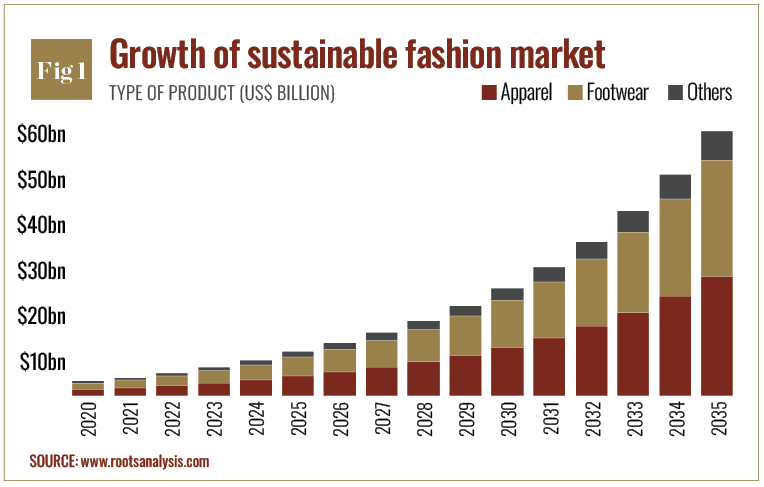
As trade-related cost pressures continue to mount, industry leaders must fundamentally re-evaluate their strategic priorities. The enduring resilience of their businesses will not be forged through diplomatic maneuvering or high-level political engagement, but rather through the cultivation of trust-based relationships, the adoption of equitable purchasing practices, and the relentless pursuit of innovations that drive sustainable outcomes. Brands and retailers should perceive tariffs not merely as financial burdens but as critical stress tests for their established supplier partnerships. Companies that remain tethered to price-centric strategies risk eroding their capacity to deliver the quality, speed, and innovation demanded by today’s increasingly conscientious consumer. In contrast, organizations that embrace transparency and collaboration – by sharing demand forecasts to ensure operational continuity, smoothing demand fluctuations through level-loading production, and extending more favorable payment terms – are demonstrably more likely to circumvent surges in labor violations and preserve the essential market signals required to sustain vital decarbonization investments. At a juncture where tariffs and climate-induced shifts can necessitate overnight alterations in sourcing strategies, resilient partnerships transcend their role as mere operational tools. They represent significant strategic differentiators, signaling accountability, stability, and ethical leadership to a growing cohort of stakeholders who are increasingly focused on long-term sustainability and responsible business conduct.