As the global economy navigates the complex realities of climate change and a rapidly accelerating green transition in 2025, the traditional geopolitical map, long defined by the ebb and flow of oil, is undergoing a profound redrawing. Unlikely commodities, namely copper and cocoa, are increasingly asserting themselves as pivotal players, mirroring the strategic importance that fossil fuels once held. Copper, the indispensable metal powering electrification and digital infrastructure, has seen its price surge by over 20% year-to-date, fueled by persistent supply constraints and escalating demand from burgeoning green technologies and data centers. Simultaneously, cocoa has experienced dramatic price volatility, reaching unprecedented highs in early 2025 due to severe climate-induced disruptions in its primary production regions, only to subsequently witness a sharp correction. Together, these market movements underscore a fundamental geopolitical realignment, signaling a decisive pivot away from fossil fuels and towards essential natural resources that underpin both the energy transition and global food security. With copper at the forefront of decarbonization efforts and cocoa a critical component of global food supply chains and ethical trade debates, these two commodities are emerging as the dual barometers of a transforming world order. Furthermore, their rising influence highlights a significant concentration of resource power and strategic assets within the Global South, particularly in the cocoa heartlands of West Africa and the copper-rich belts of Latin America. In essence, copper and cocoa are becoming the "new oil" – strategic, scarce, and emblematic of both technological innovation and persistent global inequalities.
The bedrock of the global climate transition lies heavily on copper. Its ubiquitous presence in electric vehicles, solar panels, wind turbines, hydropower systems, and essential grid upgrades makes it a non-negotiable element for decarbonization strategies worldwide. The exponential growth of data centers, driven by the insatiable appetite for artificial intelligence, has further amplified copper’s demand, where it plays a crucial role in sophisticated cooling systems, internal connectivity, and power distribution. Projections from the International Energy Agency (IEA) indicate that global copper demand could reach an estimated 31.3 million tonnes by 2030, a substantial increase from the approximately 24.9 million tonnes consumed in 2021. "China’s massive grid expansion and urban development have been the single largest recent driver of copper demand. Continued Chinese industrial stimulus and infrastructure spending are therefore key factors underpinning copper prices," notes António Alvarenga, Professor of Strategy and Entrepreneurship at Nova School of Business and Economics. He cautions, however, that "copper mine output has grown only about one to two percent annually, despite rising demand, and new projects take around 15–17 years to develop."
The geographical concentration of copper production presents its own set of geopolitical considerations. Key producing regions include Zambia and the Democratic Republic of Congo in Africa, alongside the renowned copper belt in Latin America, encompassing countries like Chile and Peru. "This concentration of resources is quietly reshaping global alliances, as countries compete to secure long-term access, much like the oil geopolitics of the 20th century," observes Sunil Kansal, head of Consulting and Valuation Services at Shasat Consulting. The fragility of this supply chain was starkly illustrated by recent events. A tragic accident at Chile’s El Teniente mine in July led to a significant production halt, impacting global output. Similarly, flooding and a roof collapse at the Kamoa-Kakula copper mine in the DRC in April disrupted operations. Compounding these issues are the challenges posed by aging mines and chronic underinvestment, which have further tightened supply and exacerbated price pressures.
Franck Bekaert, a senior emerging markets analyst at Gimme Credit, elaborates on the production challenges: "Many of the world’s major copper mines are aging, and the average copper content (ore grade) is declining, meaning that more rock must be processed to extract the same amount of copper. Additionally, permit delays and ecological constraints are hindering the launch of new projects, which is driving up costs. To meet the growing demand for copper, significant investments will be required." Political instability, including worker strikes and environmental protests in major producing nations, coupled with governance issues such as rising corruption, have further contributed to supply woes. Currently, copper inventories are reportedly at record lows, even as demand for green infrastructure from the United States and the European Union continues to soar. As the world accelerates its electrification agenda, copper’s inherent scarcity is rapidly evolving into a structural risk for global economic growth, echoing the oil shocks of previous eras.
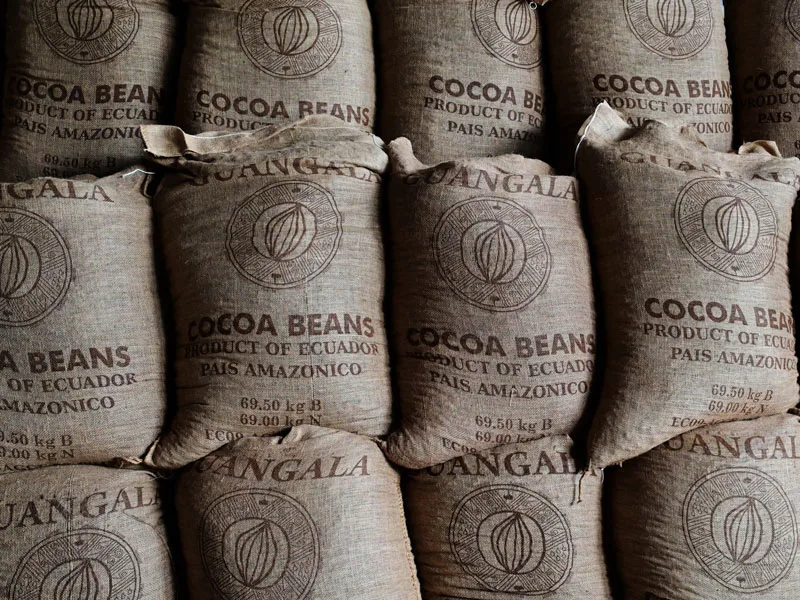
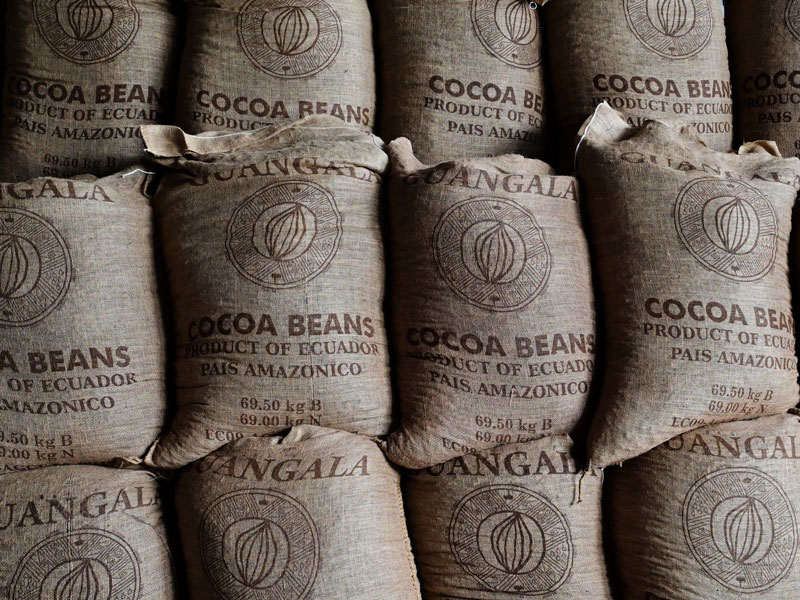
The dramatic fluctuations in cocoa prices serve as a stark reminder of the impact of climate shocks on agricultural supply chains. "When the Ivory Coast and Ghana sneeze, global chocolate catches a cold. Cocoa just had its ‘oil moment’: a near 500,000-ton global deficit in 2023–24 pushed inventories to multi-decade lows and sent futures above $10,000/ton at the peak in January 2025," states Francisco Martin-Rayo, co-founder and CEO at Helios AI. A primary driver of this deficit was the El Niño weather pattern during the 2023–24 season, which unleashed erratic weather, including intense rainfall followed by prolonged dry spells across key cocoa-producing nations like Ghana and Ivory Coast. Cocoa cultivation is highly sensitive to climate variations, thriving only within a narrow band of warm, humid equatorial conditions. With approximately 70% of the global crop originating from West Africa, these temperature extremes significantly diminished yields and fostered crop diseases such as the swollen shoot virus and brown rot. The compromised quality of the remaining harvest further amplified price increases. The issue of aging cocoa trees in West Africa also contributes to higher prices, as older trees inherently possess reduced yield capacity due to declining soil fertility and increased susceptibility to pests and diseases.
This necessitates substantial investment in replanting and farm rehabilitation, yet consistently low farmer incomes render such crucial investments unsustainable, perpetuating a vicious cycle of aging trees, low productivity, and impoverished farming communities. "Cocoa demand has grown steadily. Western holiday consumption and an expanding middle class in Asia/Africa support baseline demand. However, extremely high prices can dampen consumption: in 2025 European and Asian cocoa grindings fell as manufacturers faced higher costs," notes Alvarenga. The implications of cocoa price volatility extend far beyond the cost of chocolate and related products; they represent a systemic crisis within agricultural supply chains, characterized by climate volatility, escalating soil degradation, and pervasive farmer poverty. Given that a significant portion of the cocoa crop is still managed by smallholder farmers, cocoa is intrinsically a social commodity, deeply intertwined with issues of food insecurity, forced migration, income inequality, and the ethical sourcing and fair trade debates. Even with recent price pullbacks, the fundamental structural issues driving cocoa price volatility remain unresolved.
Similar to oil’s historical role, the supply of both copper and cocoa is highly concentrated in a few geographical regions. This concentration has been instrumental in shaping emerging geopolitical alignments and fostering new trade tensions. A notable consequence is the increasing inclination of consumer nations to diversify their supplier base, thereby mitigating supply chain vulnerabilities and enhancing security. Copper, as a critical strategic metal, is now indispensable to nations’ decarbonization roadmaps. With the burgeoning influence of AI and other advanced technologies, which inherently demand more electricity, copper’s status as the "new oil" is poised for continued ascent. Consequently, major copper consumers, including the United States and the European Union, are actively seeking to broaden their supplier networks to distribute supply-side risks.
"The US launched a section 232 national security investigation into copper and China has pivoted away from Chile by sourcing more from DRC, Russia and Zambia. These moves have created new alignments – such as China deepening ties with African producers, Western nations seeking alternative mines or stockpiles," observes Alvarenga. These geopolitical maneuvers and strategic positioning bear a striking resemblance to historical resource competition over oil, forging new alliances between industrial powers and resource-rich countries. "As with oil, these relationships can lead to trade frictions, resource nationalism, and competition for influence. For investors, this concentration magnifies geopolitical risk but also signals long-term strategic value," comments Edward Nikulin, a weather model expert at Mind Money.
In the case of cocoa, governments in Ghana and Ivory Coast wield significant influence over supply through export regulations and price-setting mechanisms, effectively functioning as a producer bloc akin to OPEC. "We are seeing the emergence of coordinated action by Ghana and the Ivory Coast to demand fairer terms, echoing the resource diplomacy once seen in oil markets," says Kansal. This is exemplified by the "Living Income Differential" (LID), a surcharge on export prices designed to ensure a greater share of cocoa income reaches farmers, thereby improving living standards and addressing issues such as child labor, poverty, and deforestation. "The joint $400/ton ‘Living Income Differential’ set a de-facto floor under farmgate economics, while EU deforestation rules (EUDR) are forcing farm-level traceability (GPS coordinates, plot IDs) and reshaping trade flows toward compliant suppliers," explains Martin-Rayo. "Expect more local processing in Abidjan and San-Pédro and more origin diversification to Ecuador/Brazil – a classic resource-security realignment."
The agricultural sector is increasingly adopting advanced technologies, with cocoa farming embracing innovations such as satellite imagery, robotic pollination, ground sensors, and drones. These technologies enable real-time monitoring of pests, growth rates, and soil moisture across large plantations, contributing to more stable yields and bolstering cocoa’s economic and strategic importance. Concurrently, major copper companies are intensifying their focus on responsible production practices, addressing sustainability and labor concerns, which are crucial for attracting a new generation of investors. "Over the past five years, copper and copper miners have significantly outpaced the S&P 500 and broad commodity indices. Dedicated copper ETFs and mining stocks have been popular. Upside for investors comes from expected supply deficits: pent-up demand from EVs/renewables could lift prices if new mine output lags," notes Alvarenga. However, he cautions that policy interventions such as stockpiling and tariffs pose risks that could abruptly disrupt copper flows. While cocoa exhibits greater volatility and speculative characteristics than copper, Martin-Rayo characterizes its newfound systemic importance as a regime shift. "Think of cocoa as smaller than oil, but newly ‘systemic’ for food manufacturers and retailers."
The developments of 2025 signal the dawn of a "post-oil" resource era, where sustainable and ethically sourced commodities are set to wield significant power. The "new oil" may no longer be a liquid extracted from the earth, but rather a mined mineral, a cultivated crop, or a digitally verifiable asset. Both copper and cocoa represent a paradigm shift towards the commodities of the future – scarce, economically resilient, and increasingly central to global stability in an increasingly fragmented world. Investors are now prioritizing a balance between transparency, accountability, and sustainable growth in their commodity portfolios.