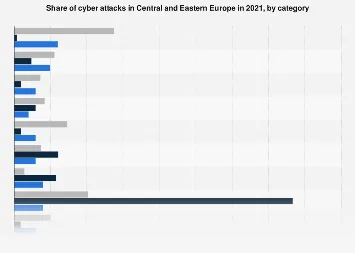
The digital landscape of Central and Eastern Europe (CEE) faced a significant surge in cyberattacks during 2021, with national economies and critical infrastructure increasingly becoming targets. A comprehensive analysis of the period reveals a concerning trend of escalating digital malice, impacting various sectors from finance to telecommunications. The nature of these attacks varied, encompassing sophisticated banking malware, disruptive cryptomining operations, and pervasive telnet intrusions, underscoring the multifaceted challenges faced by regional cybersecurity defenses.
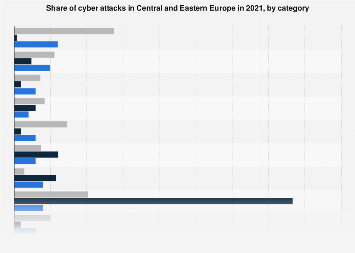
One of the most alarming trends observed was the prevalence of banking malware. This type of malicious software is designed to steal financial credentials, compromise online banking sessions, and ultimately lead to significant financial losses for individuals and institutions alike. In 2021, a particular nation within the CEE region reported the highest proportion of its users falling victim to these attacks. While specific figures remain proprietary, the sheer volume indicates a substantial vulnerability in the region’s financial sector, necessitating robust security protocols and heightened consumer awareness. The impact of such attacks extends beyond direct financial theft, eroding trust in digital financial services and potentially hindering economic growth.
Compounding these concerns were the activities of cryptominers. These malicious actors exploit the computing power of compromised devices to mine cryptocurrencies without the owner’s consent. This not only drains system resources, slowing down operations and increasing energy consumption, but also presents a stealthy threat that can go unnoticed for extended periods. The same country that led in banking malware incidents also exhibited a high incidence of cryptominer attacks, suggesting a broader vulnerability to financially motivated cybercrime. The widespread adoption of digital services and the increasing interconnectedness of devices in the CEE region inadvertently create fertile ground for such exploitative practices.
Beyond financial and resource-draining threats, the region also contended with a significant number of telnet attacks. Telnet, an older network protocol, is often targeted due to its inherent security weaknesses, such as transmitting data in plain text. Attackers frequently leverage compromised Internet of Things (IoT) devices, which often have default or weak credentials, to launch these attacks. In 2021, one CEE nation stood out as the origin for a substantial percentage of these telnet attacks, indicating a potential issue with the security posture of its connected devices or a concentrated effort by cybercriminals operating from within its borders. The proliferation of unsecured IoT devices across homes and businesses presents a growing attack surface, and a failure to secure these endpoints can have cascading effects on broader network security.
The interconnectedness of global economies means that cyber threats originating in one region can have far-reaching consequences. The CEE region, with its growing digital economy and strategic position in Europe, is a critical battleground in the global fight against cybercrime. The data from 2021 highlights the urgent need for enhanced cybersecurity strategies, including stricter regulations for IoT device manufacturers, improved threat intelligence sharing among nations, and continuous investment in advanced security technologies. Furthermore, public awareness campaigns are crucial to educate individuals and businesses about the evolving threat landscape and the best practices for safeguarding their digital assets.
The economic implications of these cyberattacks are considerable. Beyond the direct costs of remediation, recovery, and financial losses, there are indirect costs related to reputational damage, loss of customer confidence, and potential disruptions to supply chains. For businesses, a significant cyberattack can lead to operational downtime, data breaches, and substantial regulatory fines. For governments, attacks on critical infrastructure, such as power grids or financial systems, could have national security implications.
Comparing the CEE region’s cybersecurity challenges to other global areas, it’s evident that the issues are not unique but often amplified by varying levels of technological maturity and regulatory frameworks. Developed economies in Western Europe and North America often possess more mature cybersecurity infrastructures and stricter data protection laws, though they too are not immune to sophisticated attacks. Emerging economies, similar to many in CEE, often face the dual challenge of rapidly adopting new technologies while simultaneously building the foundational cybersecurity defenses needed to protect them.
The year 2021 served as a stark reminder that the digital frontier is perpetually contested. The insights derived from the reported cyberattack trends in the CEE region underscore the importance of a proactive and collaborative approach to cybersecurity. This includes fostering a skilled cybersecurity workforce, promoting research and development in defensive technologies, and strengthening international cooperation to disrupt cybercriminal networks. As the digital transformation continues to accelerate, the resilience of nations and businesses will increasingly depend on their ability to anticipate, defend against, and recover from the ever-evolving spectrum of cyber threats. The challenges observed in 2021 are not merely historical data points but urgent calls to action for all stakeholders involved in securing the digital future of the CEE region and beyond.