After navigating a period marked by shifting audience preferences and a substantial pivot towards niche, often experimental narratives that predominantly resonated with urban, affluent demographics, the Indian film industry appears to be strategically recalibrating its content strategy. This renewed focus on universal, family-friendly entertainment is proving to be a potent catalyst, drawing back a critical segment of moviegoers who had become increasingly discerning about their cinematic outings following the global pandemic. The industry’s journey back to robust theatrical attendance is largely being spearheaded by a genre once considered Bollywood’s bedrock: the wholesome, mass-appeal entertainer.
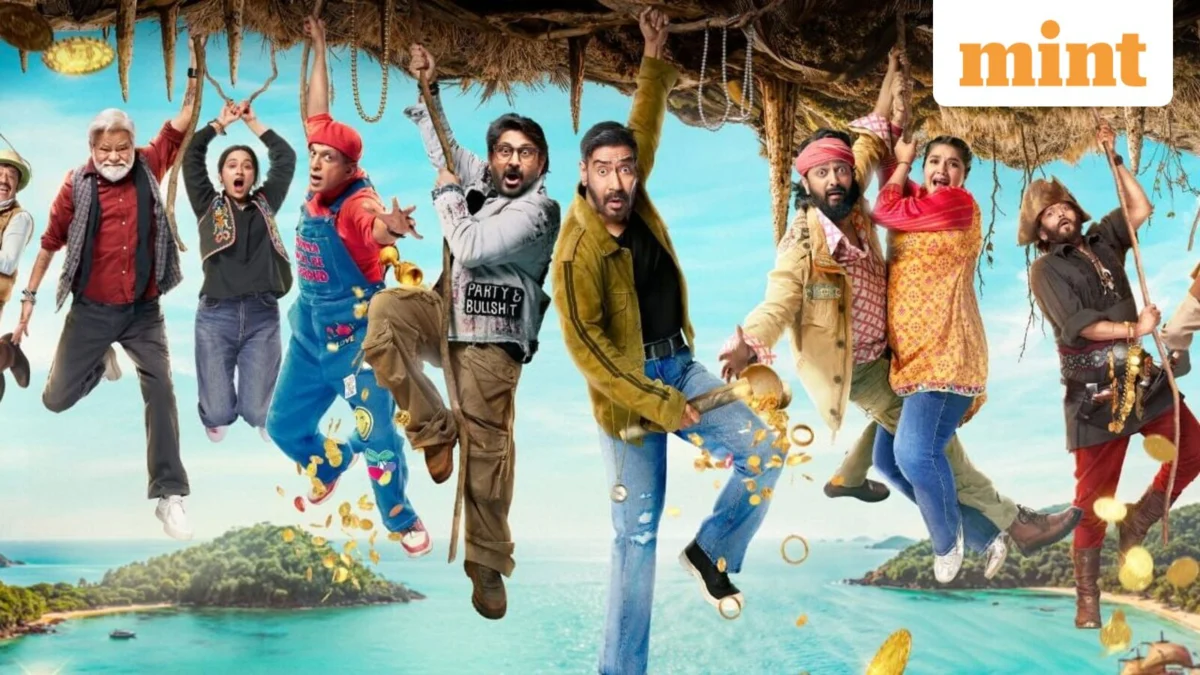
The evidence of this strategic pivot is compellingly demonstrated by the impressive box office performances of recent releases. Films like the high-grossing "Dhamaal 4," which garnered an estimated ₹158.62 crore, and "Welcome To The Jungle," achieving approximately ₹130.75 crore, exemplify this trend. Both features are firmly rooted in the tradition of broad, old-school comedy, showcasing a return to narrative styles that prioritize light-hearted humor, ensemble casts, and storylines devoid of excessive complexity, making them ideal for multi-generational viewing. This phenomenon is not exclusive to Hindi cinema; regional film industries across India are mirroring this success. Telugu cinema’s "Sankranthiki Vasthunam," Tamil’s "Good Bad Ugly," Malayalam’s "Thudarum," and Gujarati’s "Fakt Mahilao Maate" are just a few examples that have successfully tapped into the collective consciousness of family audiences. These films consistently deliver universal themes, poignant emotional narratives, memorable musical scores, grand spectacle, or a pervasive sense of celebration, underscoring the enduring appeal of shared cinematic experiences.
The economic significance of the family audience segment cannot be overstated. Unlike individual viewers or younger demographics who might frequent cinemas more spontaneously, families represent a higher-value consumer unit. Their decision to attend a film is often a carefully considered investment of both time and money, encompassing multiple tickets, concessions, and travel. Consequently, the power of positive word-of-mouth has become an even more critical determinant of a film’s success in this market. Families are inclined to await strong initial reviews and peer recommendations before committing to a costly group outing, placing immense pressure on filmmakers to deliver genuinely compelling and satisfying content. This heightened selectivity, while challenging, has effectively raised the bar for cinematic quality and the overall value proposition offered by the theatrical experience.
Gautam Dutta, CEO of Revenue and Operations at PVR INOX Ltd., a leading multiplex chain, articulates this shift, stating, "Families never truly abandoned their affinity for the big screen; rather, their expectations for the experience were elevated. When presented with a film that offers grand scale, exceptional entertainment value, and a comfortable, premium theatre environment, they will consistently respond." The post-pandemic landscape initially saw a greater comfort with home entertainment consumption, prompting the exhibition sector to innovate. This spurred significant investments in creating more immersive and luxurious cinematic environments, from advanced sound systems and larger-than-life screens to plush recliner seating and expanded gourmet food and beverage options, transforming a simple movie screening into a complete leisure event.
Crucially, the impetus behind this theatrical revival is not confined to the traditional metropolitan hubs like Delhi-NCR or Mumbai. A significant portion of the momentum is emanating from India’s burgeoning Tier-II and Tier-III cities, where movie-going retains its profound cultural significance as a communal and celebratory event. In these regions, a trip to the cinema transcends mere casual entertainment; it is often a planned, cherished family outing, a social ritual that provides an escape and a shared bonding experience. This demographic, often underserved by earlier niche content, is now proving to be a powerhouse for box office collections, indicating a vast, untapped market for appropriate content.
Sameer Munshi, Vice-President of Operations and F&B at Miraj Entertainment Ltd., highlights the unique challenge posed by the family audience post-pandemic. While younger demographics and dedicated franchise fans quickly returned to cinemas, families remained more hesitant, primarily due to concerns about value for money, the convenience of streaming platforms, and evolving entertainment habits. "We are now witnessing encouraging green shoots," Munshi observes. "Family turnout is steadily improving, particularly for films that offer clean, universally appealing entertainment, generate strong word-of-mouth, and genuinely justify the big-screen experience. Successful films across Hindi, regional, and Hollywood releases have unequivocally demonstrated that when content resonates across all generations, families are indeed willing to return to theatres."

Ashish Saksena, Chief Operating Officer for Cinemas at BookMyShow, further elaborates on the post-pandemic recalibration. He notes that the period was characterized by uncertainty as both creators and audiences re-evaluated the theatrical proposition. Through this experimentation, clearer audience preferences began to emerge. "Family audiences have consistently remained a vital segment for theatrical releases," Saksena explains, "while genres such as comedy and horror continue to command broad appeal due to their inherent ability to deliver collective thrills and laughter." This suggests a market where genre familiarity combined with high production value is a winning formula.
The ongoing recovery, though gradual and uneven, is underpinned by a confluence of factors: a demonstrable improvement in content quality, the triumphant return of established franchises and popular star vehicles, strategic festive release windows, the proliferation of premium cinema experiences, and a rekindled societal appetite for shared, out-of-home entertainment. This composite approach reinforces the notion that compelling storytelling and a superior viewing environment are the most potent drivers of family footfalls.
Film producer Anand Pandit emphasizes the economic reality facing families. "It is not always easy to afford a family outing to the theatres," Pandit remarks. "The cumulative cost of multiplex tickets, refreshments, and travel can be substantial. For a film to warrant such an investment of time and money, it must be truly original, meticulously crafted, offer an unmissable big-screen experience, and be thoroughly entertaining." This underscores the need for filmmakers to conceptualize and execute projects that inherently justify their premium pricing.
Ashish Misra, Head of Commercialization at Cinépolis India, concurs, stating that for a group of four or five individuals, a film must genuinely feel like an "event" to justify the collective expenditure. "What we are observing now is the industry consistently meeting that demanding bar," Misra notes. "Franchise titles and cross-generational event films are providing families with a shared, compelling reason to come out together. Moreover, the in-cinema experience has meaningfully improved across the industry, whether through premium formats or enhanced food offerings. These are indeed genuine green shoots, signaling a healthier trajectory for the sector."
The economic ripple effect of this resurgence is considerable. For exhibitors, increased family footfalls translate directly into higher ticket sales, greater concession revenues, and improved occupancy rates, bolstering their financial stability and encouraging further investment in infrastructure. For distributors, a reliable family audience segment reduces the risk associated with film releases and provides a more predictable revenue stream. Producers are now more inclined to greenlight projects that align with these proven preferences, potentially leading to a virtuous cycle of investment in high-quality, mass-appeal content. Beyond the immediate film industry, the revival also benefits ancillary businesses, from local restaurants and retail outlets in proximity to multiplexes in Tier-II and Tier-III cities, to advertising and marketing agencies. This shift represents a broader economic stimulus, especially in regions where entertainment options are traditionally limited.
While challenges persist, including rising production costs, intense competition from digital streaming platforms, and the ever-present need for fresh, engaging narratives, the renewed embrace of family-centric entertainment marks a pivotal moment for the Indian film industry. It signifies a strategic realignment with core audience values, proving that in an increasingly fragmented media landscape, the magic of a shared cinematic experience, particularly one that unites generations, remains an incredibly powerful and economically vital force. This blend of traditional appeal with modern theatrical innovation is not merely bringing audiences back; it is redefining the future of Indian cinema.