
India’s formidable two-wheeler manufacturing sector, a global powerhouse responsible for millions of units annually, is undergoing a profound strategic overhaul as its leading players pivot aggressively towards the burgeoning electric vehicle (EV) and premium motorcycle segments. Traditional stalwarts such as Hero MotoCorp Ltd, Bajaj Auto Ltd, and TVS Motor Company Ltd are not merely adapting; they are fundamentally restructuring their organizational frameworks, integrating EV operations, establishing specialized leadership divisions, and rolling out exclusive retail networks to capture these high-growth opportunities. This transformation signifies a monumental shift from a market historically dominated by utilitarian, entry-level models to one increasingly driven by technological innovation, aspirational branding, and sustainable mobility solutions.
The impetus for this strategic reorientation is clearly reflected in recent market dynamics. Data from the Society of Indian Automobile Manufacturers (SIAM) for Financial Year 2026 (FY26) reveals a stark divergence in growth trajectories across segments. Electric two-wheeler sales surged by an impressive 22%, reaching 1.4 million units, while premium motorcycles—defined as those with engine capacities above 125cc—recorded a robust 15% growth, accounting for 3.5 million units. In stark contrast, the once-dominant entry-level segment witnessed a comparatively modest 3% increase, totaling 9.5 million units. These figures underscore a pivotal moment for the industry, signaling that the future lies beyond volume alone, towards value, technology, and differentiated consumer experiences.
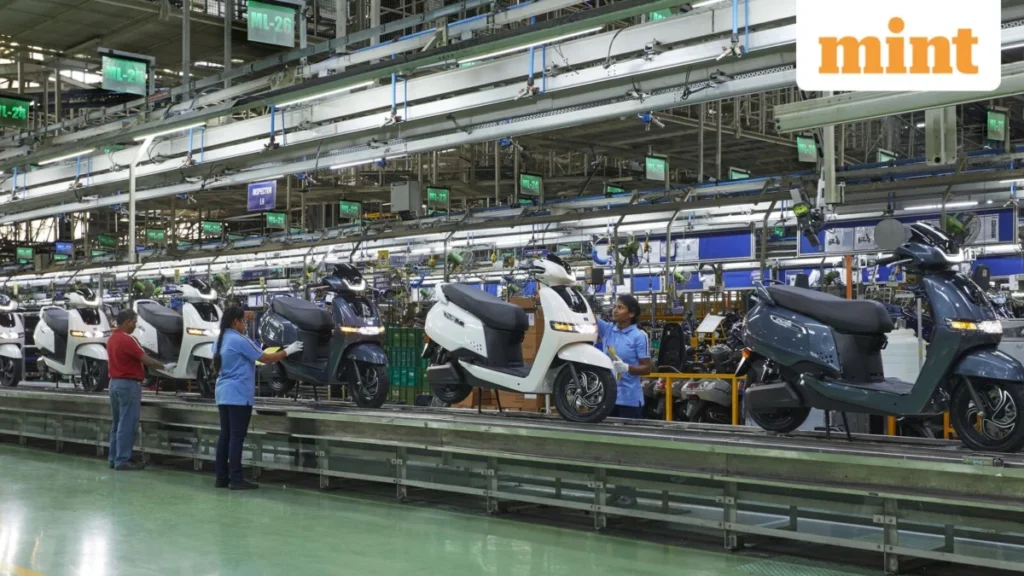
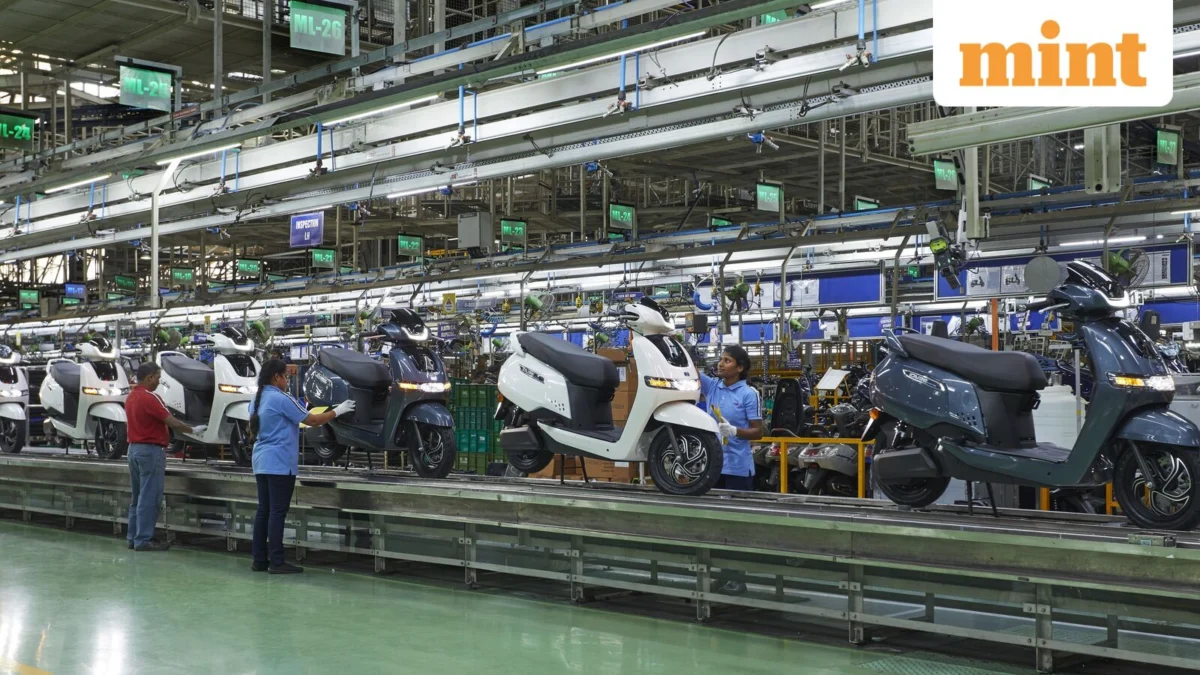
The integration of electric vehicle businesses with core two-wheeler operations is a cornerstone of this new strategy. For years, many legacy manufacturers treated their EV ventures as separate, often experimental, units. However, the accelerating adoption of EVs has prompted a realization that electric mobility is not a niche but an integral part of the mainstream business. Integrating these operations allows companies to leverage existing R&D capabilities, manufacturing infrastructure, and vast supply chains, thereby achieving greater synergies, cost efficiencies, and faster time-to-market for new products. This unified approach also streamlines decision-making, enabling a more cohesive product portfolio and market strategy. Furthermore, premium vehicles, with their distinct design philosophies, performance metrics, and target demographics, necessitate a highly differentiated marketing and sales approach that cannot be adequately served by conventional mass-market channels.
Bajaj Auto, a significant player known for its strong domestic and international presence, exemplifies this strategic shift. The company has explicitly merged its standalone electric two-wheeler business, spearheaded by the Chetak brand, with its traditional two-wheeler division. This move, articulated by Joint Managing Director Rakesh Sharma during an earnings call, aims to significantly scale up EV manufacturing and distribution. Bajaj Auto plans an aggressive expansion of its exclusive EV outlets, targeting a doubling to 1,000 stores over the next two years. Simultaneously, the company is fortifying its presence in the premium motorcycle segment by expanding its dealership network for globally renowned brands like KTM and Triumph, with which it has strategic partnerships. The rollout of 90 combined KTM and Triumph stores underscores a commitment to providing a premium retail experience for discerning buyers. This dual focus positions Bajaj Auto to capitalize on both the green mobility trend and the growing appetite for high-performance, aspirational motorcycles.
Hero MotoCorp, the world’s largest manufacturer of two-wheelers by volume, is also making significant strides in its premium and EV initiatives. Having historically dominated the commuter segment, Hero is now aggressively repositioning itself. The company announced the creation of a dedicated premium business leadership division, appointing Anuj Dua as Chief Business Officer to oversee portfolio expansion and the establishment of exclusive retail stores. This move follows the earlier appointment of Kausalya Nandakumar as Chief Business Officer of its Emerging Mobility Business Unit, signaling a clear organizational separation and focus for its EV ambitions. Hero’s aggressive product roadmap in FY26, which included multiple new launches like the Glamour X, Xtreme 125R, Xtreme 250R, Xoom 160, XPulse 210, and the much-anticipated Harley-Davidson X440 T, demonstrates a robust commitment to both electric and high-end internal combustion engine (ICE) offerings. The company has also expanded its ‘Hero Premia’ exclusive retail and service network to over 130 stores across India, aiming to provide a bespoke experience for its premium clientele.

TVS Motor Company, an innovator often lauded for its strong R&D capabilities, has similarly refined its operational structure. In FY26, TVS combined its EV and commuter business leadership, aiming for improved planning and execution across these critical segments. Aniruddha Haldar was elevated to lead the EV business alongside his existing responsibilities for the commuter business and corporate brand. This integration, according to company executives, ensures that EV is no longer viewed as an isolated venture but as a core component of the mainstream two-wheeler business, benefiting from shared resources and strategic alignment. Furthermore, TVS announced the impending launch of ‘TVS Paddock’ in Q2 FY27, a new exclusive network of stores dedicated to its premium portfolio. This initiative is designed to deliver a bespoke and elevated customer experience, reflecting the brand’s heritage, craftsmanship, and premium positioning. CEO KN Radhakrishnan highlighted significant investments in brand-building for premium products like Apache and Ronin, emphasizing their potential for strong market performance.
Industry analysts concur that these organizational and retail adjustments are crucial for navigating the evolving market landscape. Subhabrata Sengupta, a partner at Avalon Consulting, notes that the EV segment is now substantial and growing, compelling companies to view it as a core driver of future growth rather than an experimental venture. Both EVs and premium vehicles are largely urban-focused segments, and manufacturers are actively tweaking their structures and retail networks to effectively meet this demand. The shift reflects a broader understanding that the urban Indian consumer, with rising disposable incomes and a greater awareness of global trends, is seeking more than just basic transportation; they desire performance, style, technology, and environmental responsibility.
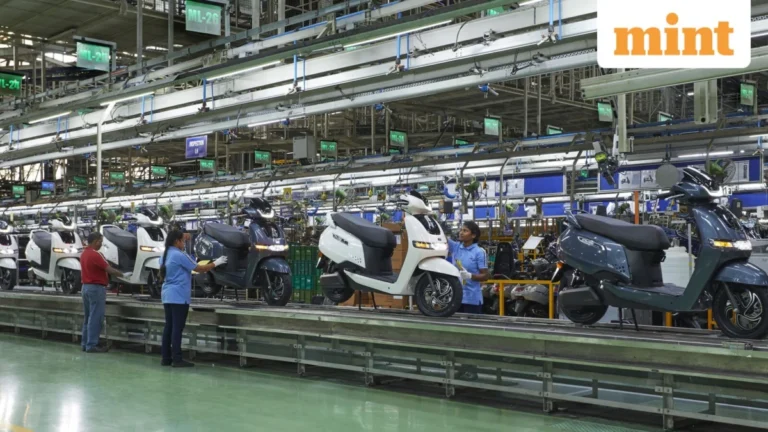
The strategic repositioning by these manufacturers is also a response to intensifying competition. The Indian two-wheeler market has seen the emergence of agile, digitally native EV startups like Ola Electric and Ather Energy, which have quickly captured significant market share. Legacy players are leveraging their established manufacturing scale, vast distribution networks, and brand trust to counter these new entrants, but they must also embrace the innovation and customer-centricity that characterize these younger companies. The battle for market leadership in the EV space, particularly, is heating up, with Bajaj Auto and TVS Motor currently leading the Indian electric two-wheeler market.
Beyond market share, the transition has significant economic implications. Investing in new EV platforms and premium motorcycle development requires substantial capital expenditure in R&D, advanced manufacturing facilities, and specialized retail infrastructure. This fuels job creation, albeit requiring new skill sets in areas like battery technology, power electronics, and software integration. Furthermore, the push for localization in EV components, particularly batteries and motors, aligns with government initiatives and strengthens India’s manufacturing ecosystem, reducing reliance on imports and fostering domestic innovation. The success of these strategies could also position India as a key global hub for EV manufacturing and premium two-wheeler exports, mirroring its existing strength in conventional two-wheelers.
However, the path forward is not without its challenges. The widespread adoption of EVs hinges on the rapid expansion of charging infrastructure, addressing range anxiety among consumers, and bringing down battery costs. For premium motorcycles, sustained economic growth and the development of better road networks are essential to support demand. Regulatory shifts and evolving government incentive schemes can also impact market dynamics, requiring manufacturers to remain agile. Despite these hurdles, the decisive moves by India’s two-wheeler giants underscore a clear vision: to redefine personal mobility in the world’s largest two-wheeler market, embracing a future that is electric, premium, and globally competitive. This strategic overhaul is not just about new products; it’s about fundamentally reshaping the industry for sustained growth and profitability in a rapidly evolving automotive landscape.