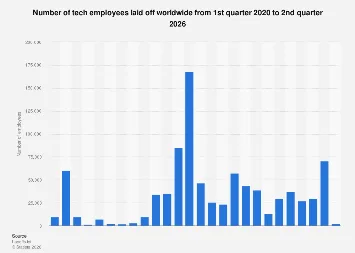
Global technology firms have initiated a significant recalibration of their workforces in the early months of 2026, a trend that signals a departure from the rapid expansion witnessed during the preceding years. This period has been marked by substantial workforce reductions across the sector, with prominent players initiating widespread layoffs. For instance, a notable announcement came on April 15, 2026, from Snap, the parent company of the popular social media platform Snapchat, which disclosed plans to eliminate a significant number of positions, impacting a substantial portion of its global workforce. While specific figures remain dynamic, this move by Snap underscores the broader industry-wide pressure to optimize operational costs and streamline strategic priorities.
The wave of technological job cuts gained considerable momentum in the first quarter of 2023, a period that saw an unprecedented surge in employee departures from the sector. Globally, an estimated figure exceeding one million tech professionals found themselves displaced during this quarter alone, marking a stark inflection point. This widespread retrenchment was not confined to smaller entities; major technology conglomerates such as Google, Microsoft, Meta, and IBM were all compelled to undertake significant workforce reductions. Amazon, in particular, emerged as a company implementing the most frequent rounds of layoffs, resulting in the highest overall number of employees being let go among the leading global tech giants. The impact of these workforce adjustments has reverberated across various sub-sectors within the technology ecosystem. Industries most acutely affected include those serving the consumer market, hardware development, food technology, and healthcare technology. Beyond the largest corporations, a multitude of other companies have also experienced considerable staff attrition. Notable among these are companies like Flink, a rapid grocery delivery service; Booking.com, a major online travel agency; Uber, the ride-sharing and delivery giant; PayPal, the digital payments processor; LinkedIn, the professional networking platform; and Peloton, the connected fitness company, all of which have announced substantial layoffs impacting their operational capacity and talent pools.
The genesis of this widespread layoff trend can be largely attributed to an aggressive period of overhiring that characterized the technology sector during the COVID-19 pandemic. In response to an unprecedented surge in demand for digital services and remote work solutions, many tech companies embarked on ambitious recruitment drives, significantly expanding their employee headcount to meet perceived long-term growth trajectories. However, as the immediate pressures of lockdowns eased and the global economic landscape began to shift, these companies found themselves with bloated payrolls and a growing imperative to reassess their strategic investments and operational efficiencies. Persistent economic uncertainties, including rising inflation and interest rates, coupled with a slowdown in consumer spending on discretionary tech products and services, forced a critical reevaluation of business models and workforce strategies. This recalibration inevitably led to the difficult decisions of workforce reductions to align costs with current market realities and future revenue projections.
Looking ahead, the evolving role of artificial intelligence (AI) is poised to exert a profound influence on future layoff trends within the technology sector. As AI-driven automation continues to mature and integrate into various business processes, the potential for further workforce redundancies becomes increasingly apparent. AI technologies, ranging from sophisticated chatbots capable of handling complex customer service inquiries to advanced predictive algorithms that optimize supply chain management and operational logistics, are demonstrating the capacity to automate tasks previously performed by human employees. This pursuit of enhanced efficiency, cost savings, and improved productivity through AI implementation may well translate into a sustained period of workforce adjustments. Companies are increasingly leveraging AI to streamline operations, reduce manual labor, and reallocate resources towards areas with higher strategic value, potentially leading to a more specialized and leaner workforce in the future. The ongoing dialogue surrounding AI’s impact on employment highlights a critical juncture for the tech industry, as it navigates the delicate balance between embracing technological innovation and managing its societal and economic implications for its workforce. This dynamic interplay between economic recalibration and technological advancement is shaping the future of employment within one of the world’s most influential industries.