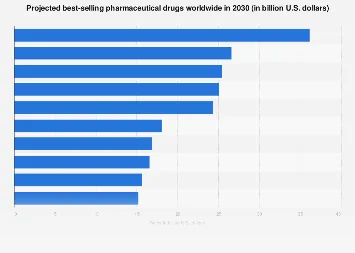
The global pharmaceutical industry is poised for a seismic shift in its revenue-generating powerhouses by the end of the decade, with new blockbuster drugs set to dominate sales charts and reshape therapeutic landscapes. Projections indicate a dynamic evolution in the market, driven by advancements in biotechnology, personalized medicine, and an ever-increasing demand for treatments addressing chronic and complex diseases. While current market leaders continue to innovate, emerging therapies and strategic market entries are expected to redefine the top-selling pharmaceutical products by 2030.
Forecasting the future of drug sales involves a complex interplay of scientific breakthroughs, regulatory approvals, market access strategies, and evolving patient needs. The current landscape, though robust, is often characterized by a concentration of sales within a few dominant therapeutic areas, such as oncology, immunology, and cardiovascular diseases. However, the next seven years are anticipated to witness a diversification of these high-revenue drivers, with significant growth projected in areas like rare diseases, metabolic disorders, and novel infectious disease treatments.
Central to this projected transformation is the increasing sophistication of drug development. The era of broad-spectrum treatments is gradually giving way to highly targeted therapies designed for specific patient populations or genetic markers. This precision medicine approach, while promising enhanced efficacy and reduced side effects, also necessitates more complex and potentially costly development pathways. Nevertheless, the potential for significant market capture with first-in-class or best-in-class therapies remains a powerful incentive for pharmaceutical giants.
Oncology, a consistent revenue driver, is expected to maintain its stronghold, but with a notable shift towards more sophisticated immunotherapies and combination treatments. The ability of these therapies to harness the body’s own immune system to fight cancer has revolutionized treatment paradigms. Analysts predict that the market for CAR T-cell therapies and other cell-based treatments, while currently facing manufacturing and accessibility challenges, will mature significantly, leading to substantial sales growth. Furthermore, advancements in liquid biopsies and companion diagnostics will enable earlier and more accurate cancer detection, facilitating timely intervention with targeted therapies.
Beyond oncology, the immunology sector is also a fertile ground for future blockbusters. The increasing prevalence of autoimmune diseases, coupled with a deeper understanding of their underlying mechanisms, is fueling the development of novel biologics and small molecules. Drugs targeting inflammatory pathways and immune dysregulation are expected to see considerable demand, particularly those offering improved safety profiles and more convenient dosing regimens. The market for treatments for conditions like rheumatoid arthritis, psoriasis, and inflammatory bowel disease is projected to expand, with companies investing heavily in research and development to secure a leading position.
The growing global burden of metabolic disorders, including diabetes and obesity, presents another significant opportunity for pharmaceutical innovation. While existing treatments have provided relief, there is a clear unmet need for therapies that offer more comprehensive disease management, including improved glycemic control, weight loss, and the prevention of long-term complications. The recent successes of GLP-1 receptor agonists in both diabetes and weight management have signaled a new frontier, and further advancements in this class, alongside entirely new mechanisms of action, are expected to create multi-billion-dollar drug franchises.
The healthcare needs of an aging global population also play a crucial role in shaping future drug sales. Neurodegenerative diseases, such as Alzheimer’s and Parkinson’s, continue to pose immense challenges, and the development of effective disease-modifying therapies remains a key R&D priority. While progress has been incremental, any significant breakthrough in this area could unlock a market of unprecedented scale. Similarly, the ongoing threat of infectious diseases, highlighted by recent global pandemics, will continue to drive investment in antiviral and antibacterial research, with a focus on novel platforms and broad-spectrum agents.
The competitive landscape is also evolving. While established pharmaceutical behemoths with deep R&D pipelines and extensive commercial infrastructure will undoubtedly remain major players, the influence of agile biotechnology firms is growing. These companies, often at the forefront of cutting-edge science, are increasingly striking strategic partnerships and licensing deals with larger corporations to bring their innovations to market. This dynamic creates opportunities for both collaboration and intense competition, as companies vie for intellectual property and market share.
Economic factors will also significantly influence the trajectory of drug sales. Pricing pressures, payer negotiations, and the increasing scrutiny of drug costs in major markets like the United States and Europe will necessitate innovative market access strategies. Companies that can demonstrate clear value, not just in terms of clinical outcomes but also in terms of healthcare system efficiency, will be better positioned for success. The rise of emerging markets, with their growing middle classes and increasing healthcare expenditure, also presents a substantial growth opportunity, albeit one that often requires tailored commercial approaches.
Furthermore, the regulatory environment, while designed to ensure patient safety and drug efficacy, can also impact market entry timelines and commercial potential. Navigating complex approval processes in different jurisdictions requires significant expertise and resources. However, expedited review pathways for breakthrough therapies and the increasing harmonization of regulatory standards across regions may offer avenues for faster market penetration.
Looking ahead, the pharmaceutical market of 2030 will likely be characterized by a portfolio of highly specialized, data-driven, and patient-centric therapies. The sheer scale of investment in research and development, coupled with an improving understanding of disease biology, suggests that the pipeline of innovative medicines is robust. Companies that can successfully translate scientific discovery into commercially viable products, while effectively navigating the evolving economic and regulatory landscapes, will be the ones to define the next generation of top-selling pharmaceuticals. The race to address unmet medical needs with groundbreaking treatments is intensifying, promising a future where medicine continues to push the boundaries of what is possible in human health.