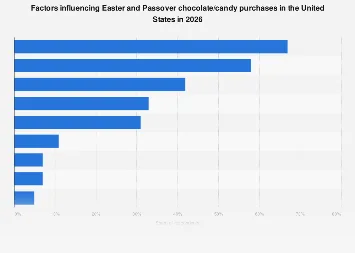
The confectionery industry, particularly the segment dedicated to seasonal celebrations, is poised for a fascinating evolution in the United States leading up to 2026, with Easter chocolate purchases emerging as a significant bellwether for broader consumer spending habits and economic trends. While the allure of chocolate eggs, bunnies, and elaborate confections remains a potent cultural force, a confluence of economic, social, and technological factors is actively shaping how, when, and why Americans indulge during this springtime festival. Understanding these underlying drivers is crucial for manufacturers, retailers, and market analysts seeking to navigate this dynamic landscape.
At the forefront of influencing Easter chocolate shopping is the prevailing economic climate, specifically consumer disposable income and inflation. Historically, the demand for non-essential, celebratory goods like premium chocolates has shown a degree of elasticity, responding to shifts in household budgets. As of recent economic indicators, the U.S. has experienced fluctuating inflation rates, impacting the cost of raw materials such as cocoa, sugar, and dairy, as well as packaging and logistics. This price pressure inevitably trickles down to the consumer, forcing a recalibration of purchasing decisions. While the premium segment may see a dip in volume as consumers opt for more budget-friendly alternatives or reduce overall spending, the demand for mass-market chocolate offerings is likely to remain robust, driven by the enduring tradition and emotional resonance of the holiday. Market research suggests that in periods of economic uncertainty, consumers often seek affordable "treats" to maintain a sense of normalcy and celebration, making chocolate a resilient category. For instance, during economic downturns, the perceived value of a small indulgence can increase, cushioning the impact on sales.
Beyond pure economics, evolving consumer preferences and lifestyle choices are playing an increasingly significant role. The growing awareness and demand for healthier and more ethically sourced products are not confined to everyday grocery shopping; they are extending to seasonal treats. Manufacturers are responding by diversifying their Easter offerings to include dark chocolate options with higher cocoa content, sugar-free varieties, and products made with sustainably sourced cocoa beans. This trend is particularly pronounced among younger demographics, such as Millennials and Gen Z, who are often more attuned to environmental and social impact. Data from market analytics firms indicates a steady rise in the sales of "better-for-you" confectionery options, suggesting that this segment will continue to gain traction for Easter 2026. Furthermore, the emphasis on artisanal and craft products is another emerging influence. Small-batch producers and chocolatiers are increasingly capturing market share by offering unique flavor profiles, intricate designs, and personalized options, catering to a consumer base willing to pay a premium for exclusivity and quality.
The digital transformation of retail has also fundamentally altered the shopping journey for Easter chocolates. E-commerce platforms have become indispensable, offering unparalleled convenience, a wider selection, and competitive pricing. Consumers can now research, compare, and purchase Easter treats from the comfort of their homes, often with expedited delivery options. This shift is particularly advantageous for reaching consumers in remote areas or those with busy schedules. Online retailers are leveraging data analytics to personalize recommendations and offer curated Easter baskets, further enhancing the shopping experience. The rise of social media also plays a crucial role, with influencers and online communities shaping trends and driving demand for specific products or brands. Visual platforms like Instagram and TikTok are powerful tools for showcasing the artistry and appeal of Easter confectionery, encouraging impulse purchases and sparking conversations around popular items. The integration of augmented reality (AR) for virtual "try-ons" of gift baskets or personalized messages could also become more prevalent by 2026, adding another layer of digital engagement.
The competitive landscape within the confectionery industry itself is another critical factor. Established global brands are investing heavily in marketing campaigns, innovative product development, and strategic partnerships to maintain their market dominance. They are also increasingly focusing on creating immersive brand experiences, both online and in-store, to foster stronger consumer loyalty. Simultaneously, smaller, agile players are carving out niches by focusing on specific dietary needs, unique flavor innovations, or direct-to-consumer models. This intense competition drives continuous product evolution and encourages brands to differentiate themselves through storytelling, sustainability initiatives, and engaging marketing strategies. The battle for shelf space in physical retail stores, as well as prime placement on e-commerce sites, will intensify, with promotional activities and discounts playing a key role in influencing purchasing decisions during the peak Easter season.
Moreover, external events and broader societal shifts can introduce unexpected influences. For instance, any significant disruptions to global supply chains, unforeseen shifts in consumer sentiment due to geopolitical events, or even changing public health recommendations can have ripple effects on consumer behavior and purchasing priorities. While Easter chocolate might seem like a relatively stable category, its susceptibility to these larger forces should not be underestimated. The industry’s ability to adapt quickly to such changes, by diversifying sourcing, implementing flexible production strategies, and maintaining transparent communication with consumers, will be paramount.
Looking ahead to 2026, the U.S. Easter chocolate market will likely be characterized by a bifurcation: a strong demand for accessible, value-driven treats that maintain the tradition of celebration, and a growing segment of consumers seeking premium, ethically produced, and uniquely crafted confections. The integration of digital technologies will continue to reshape the consumer journey, from discovery to purchase, while a heightened focus on health and sustainability will push manufacturers to innovate their product lines. The interplay of economic conditions, evolving consumer values, and the relentless drive of industry competition will ultimately define the sweet success of Easter chocolate sales in the coming years. The ability of companies to understand and respond to these multifaceted influences will be the key differentiator in capturing the hearts – and wallets – of American consumers during this beloved springtime holiday.