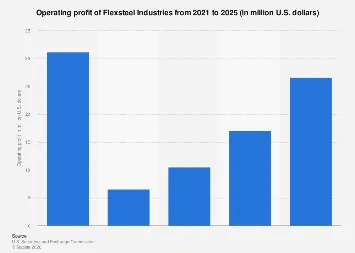
Flexsteel Industries, a long-standing player in the North American furniture manufacturing sector, is positioning itself for an anticipated operational profit in its fiscal year 2025. This projection, while specific, arrives against a backdrop of evolving consumer preferences, supply chain recalibrations, and broader economic headwinds that have reshaped the global furniture market. Understanding Flexsteel’s path to profitability requires a deep dive into the company’s strategic initiatives, the competitive landscape it operates within, and the macroeconomic forces that will likely influence its financial performance.
The furniture industry, particularly in developed markets like North America, is characterized by its cyclical nature, often mirroring broader economic cycles. Consumer spending on durable goods, such as furniture, is typically elastic, meaning it’s highly sensitive to changes in disposable income, interest rates, and overall consumer confidence. For Flexsteel, a company with a legacy stretching back over a century, navigating these fluctuations is a perpetual challenge. The projection for fiscal year 2025 suggests a degree of optimism from the company’s leadership, likely stemming from recent operational adjustments and a perceived stabilization or improvement in market conditions.
Delving into the specifics of operational profit, often referred to as Earnings Before Interest and Taxes (EBIT) or Operating Income, provides a crucial insight into a company’s core business performance. It excludes the impact of financing decisions and tax structures, offering a cleaner view of how effectively a company generates profit from its primary operations. For Flexsteel, achieving a positive operational profit in FY2025 implies that its revenues from selling furniture and related products are expected to exceed the costs directly associated with producing and selling those goods, including manufacturing expenses, marketing, sales, and administrative overhead.
Several key factors are likely contributing to Flexsteel’s optimistic outlook. Firstly, the company has been actively engaged in strategic initiatives aimed at enhancing operational efficiency and cost management. This could include optimizing its manufacturing processes, streamlining its supply chain to mitigate disruptions and reduce lead times, and potentially rationalizing its product portfolio to focus on higher-margin offerings. In an era of persistent inflationary pressures, particularly on raw materials like steel, lumber, and foam, effective cost control becomes paramount for maintaining profitability. Companies that can absorb or pass on these rising costs without significantly impacting sales volume are best positioned.
Furthermore, Flexsteel’s product development and marketing strategies will play a pivotal role. The furniture market is increasingly influenced by trends in home décor, functionality, and sustainability. Brands that can innovate and cater to evolving consumer tastes, whether through contemporary designs, smart furniture solutions, or environmentally conscious materials, are likely to capture greater market share. Flexsteel’s ability to adapt its product lines to meet these demands, coupled with effective marketing campaigns that resonate with its target demographic, will be critical in driving sales and supporting its profit targets.
The competitive landscape in the North American furniture market is robust and multifaceted. Flexsteel competes with a wide array of players, from large, vertically integrated manufacturers and prominent retail chains to a growing number of direct-to-consumer (DTC) online brands. The rise of e-commerce has democratized access to the market, allowing smaller, agile companies to challenge established players. Flexsteel’s strategy must therefore consider how to maintain its brand relevance and competitive edge in both traditional retail channels and the burgeoning online space. This might involve investing in its own e-commerce capabilities, forging strategic partnerships with online retailers, or differentiating its offerings through quality, service, and unique design.
Global economic conditions also cast a long shadow over the furniture industry. Interest rate hikes, aimed at taming inflation, can dampen consumer demand for big-ticket items by increasing the cost of borrowing and reducing disposable income. Conversely, a robust labor market and sustained wage growth can provide a buffer, supporting consumer spending. For FY2025, the trajectory of inflation, interest rates, and employment figures in key markets will be closely watched. Any significant downturn could pose a risk to Flexsteel’s projected profitability.
Moreover, the recent emphasis on supply chain resilience, a lesson learned from the disruptions of the COVID-19 pandemic, is likely influencing Flexsteel’s operational planning. Companies are increasingly diversifying their sourcing, exploring nearshoring or reshoring options, and investing in inventory management systems to ensure a steady flow of goods. These efforts, while potentially incurring upfront costs, are crucial for long-term stability and can contribute to more predictable production schedules and reduced stockouts, ultimately supporting sales and profitability.
Looking at market data and analyst projections, while specific figures for Flexsteel’s FY2025 operating profit are not publicly detailed without subscription access, the broader industry outlook provides context. The North American furniture market, valued in the tens of billions of dollars annually, is projected to experience moderate growth in the coming years, driven by factors such as new home construction, renovation activities, and evolving living arrangements. However, growth rates can vary significantly by segment and region.
For Flexsteel, success in achieving its FY2025 operational profit target will hinge on its ability to execute its strategic plans effectively. This includes not only managing costs and optimizing production but also innovating its product offerings, strengthening its brand presence across multiple channels, and adapting to the dynamic economic and consumer landscape. The company’s historical resilience and established market position provide a foundation, but continuous adaptation and strategic agility will be key to navigating the complexities of the modern furniture industry and realizing its projected financial goals. The journey toward sustained profitability in this sector is rarely a straight line, but Flexsteel’s forward-looking projections suggest a confident stride into the next fiscal year.