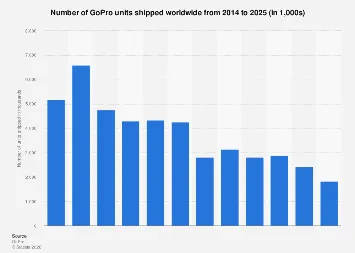
The global market for action cameras, a niche once dominated and virtually defined by GoPro, is poised for a dynamic period leading up to and through 2025. While specific, precise unit shipment figures for future years often remain proprietary or subject to revision, industry analysis and available data suggest a nuanced outlook for the pioneering brand. GoPro’s ability to maintain and grow its market share hinges on its capacity to innovate, adapt to evolving consumer preferences, and navigate the increasingly competitive landscape.
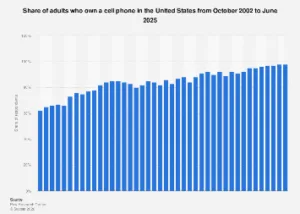
For years, GoPro has been synonymous with capturing high-octane adventures and everyday moments with unparalleled durability and image quality. The company’s success has been built on a foundation of robust hardware, intuitive software, and a vibrant community of users who generate a steady stream of compelling content. However, the consumer electronics market is characterized by rapid technological advancements and shifting consumer behaviors. Competitors, both established electronics giants and agile newcomers, have entered the fray, offering devices with comparable or even superior features at various price points. Furthermore, the proliferation of high-quality camera technology within smartphones has blurred the lines, with many consumers finding their mobile devices sufficient for casual content creation, thus potentially reducing the addressable market for dedicated action cameras.
Analyzing the market requires looking beyond single-year projections to understand the underlying trends. The action camera segment, while not experiencing the explosive growth of its earlier years, remains a significant market. Demand is driven by several key factors: the continued popularity of outdoor and adventure sports, the rise of social media influencers and content creators who rely on specialized equipment, and niche applications in professional fields such as automotive, drone videography, and law enforcement. GoPro’s strategic focus on these areas, coupled with its ongoing product development, is crucial for its sustained relevance.
Looking ahead to 2025, several macroeconomic and technological forces will likely shape GoPro’s shipment volumes. Global economic conditions, including disposable income levels and consumer confidence, will play a significant role. In regions experiencing robust economic growth, demand for premium consumer electronics like action cameras is expected to remain strong. Conversely, economic downturns or inflationary pressures could lead to a contraction in discretionary spending, impacting unit sales.
Technologically, the evolution of video resolution and stabilization remains a key battleground. Consumers increasingly expect 4K and even 8K recording capabilities, alongside advanced image stabilization that mimics professional gimbals. GoPro has consistently invested in these areas, with its HyperSmooth technology being a prime example of its commitment to delivering exceptional video quality. The integration of artificial intelligence (AI) for automated editing, content tagging, and performance optimization could also be a significant differentiator in the coming years. Features that simplify the user experience, from initial capture to final edit, will be increasingly valued, especially by casual users.
The competitive landscape is another critical element. While GoPro has historically held a dominant position, the market is now more fragmented. Companies like DJI, known for its drone technology, have successfully leveraged their imaging expertise to offer competitive action cameras. Other players, particularly from Asia, are often able to compete aggressively on price, appealing to budget-conscious consumers. GoPro’s strategy to counter this has often involved a tiered product lineup, offering both flagship devices with cutting-edge features and more accessible models to capture a broader segment of the market. The success of this strategy will be a key determinant of its shipment numbers.
Furthermore, the company’s subscription service, GoPro Quik, represents a significant diversification effort. By offering cloud storage, advanced editing tools, and exclusive discounts, GoPro aims to build a more recurring revenue stream and foster greater customer loyalty. The adoption rate and perceived value of this subscription service will directly influence the overall financial health and, indirectly, the perceived market strength of the brand, which can then impact unit sales through enhanced brand perception and customer engagement.
Global market penetration also plays a vital role. While North America and Europe have historically been core markets for action cameras, emerging markets in Asia, Latin America, and Africa present substantial growth opportunities. Adapting product offerings and marketing strategies to suit the specific needs and purchasing power of consumers in these regions will be essential for GoPro to achieve significant global shipment growth. This might involve developing more localized product variants or focusing on specific use cases that resonate with these populations, such as enhanced durability for varied environmental conditions or improved battery life for areas with less reliable power infrastructure.
In terms of market size and growth potential, the action camera market, while mature in some aspects, still holds promise. Analysts have projected modest but steady growth for the segment, driven by the aforementioned factors. For instance, if the global action camera market were to grow at an average annual rate of 3-5% between now and 2025, GoPro’s success would depend on its ability to capture a disproportionately large share of that growth, or at least maintain its existing market share. This requires not only product excellence but also effective marketing and distribution.
The company’s efforts to expand its reach beyond traditional action sports are also noteworthy. By targeting segments like travel, family activities, and even professional applications, GoPro is attempting to broaden its appeal and tap into new revenue streams. The development of accessories and mounts that facilitate diverse use cases, from chest mounts for hiking to handlebar mounts for cycling, further underscores this strategy of versatility.
Ultimately, projecting exact unit shipments for 2025 requires access to proprietary internal forecasts and detailed market research. However, the trends indicate that GoPro’s future performance will be a function of its ability to innovate at the pace of technological change, differentiate its products in a competitive marketplace, and successfully engage a global consumer base with evolving needs. Its strategic initiatives, including subscription services and market diversification, are crucial elements in this ongoing narrative. The company’s resilience and ability to adapt to these complex market dynamics will dictate its unit shipment trajectory as it moves towards the mid-2020s.