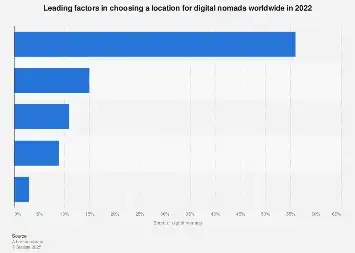
The quintessential digital nomad, driven by a thirst for adventure and adept at leveraging modern technology, has redefined the concept of the workplace, demonstrating that a stable internet connection is often the only essential requirement for productivity. In 2022, this burgeoning global workforce prioritized a select set of factors when choosing their next nomadic base, with the cost of living and the availability of fast, reliable internet emerging as paramount considerations. Safety, identified as a critical element by a significant but unspecified percentage of digital nomads worldwide, ranked as the second most influential determinant. This nuanced understanding of nomadic preferences offers valuable insights for destination marketers, urban planners, and businesses seeking to tap into this dynamic and increasingly influential demographic.
The appeal of a location for a digital nomad is a complex interplay of economic realities, infrastructural capabilities, and fundamental human needs. The cost of living, a primary driver, encompasses not just accommodation and daily expenses but also the affordability of co-working spaces, local transportation, and leisure activities. Destinations offering a lower cost of living relative to high earning potential can significantly enhance the disposable income of nomads, allowing for longer stays and greater exploration. This economic advantage can be particularly attractive when juxtaposed with the higher living expenses in their home countries or other popular remote work hubs. For instance, cities in Southeast Asia and Eastern Europe have historically drawn nomads due to their affordability, while Western European or North American locales might offer superior infrastructure but at a considerably higher price point.
Complementing the economic imperative is the absolute necessity of robust digital infrastructure. A fast, accessible, and stable internet connection is not merely a convenience but the very lifeline of a digital nomad’s profession. This includes not only broadband speeds capable of supporting video conferencing and large file transfers but also widespread availability of Wi-Fi in public spaces, cafes, and accommodation. The reliability of the connection, minimizing downtimes and buffering, directly impacts work efficiency and client satisfaction. The expansion of 5G networks and the increasing penetration of fiber optic internet globally are thus critical factors in making new locations viable for remote workers. Data from telecommunications industry reports indicate a significant global investment in broadband infrastructure, with countries actively promoting digital connectivity as a means to attract foreign investment and talent, including the digital nomad segment.
Beyond the practicalities of work and finances, the fundamental need for safety and security plays a pivotal role in destination selection. Digital nomads, often navigating unfamiliar environments, place a high premium on personal safety, low crime rates, and political stability. This encompasses not only the risk of petty crime but also broader concerns about social unrest or health crises. Destinations that can demonstrate a commitment to public safety, with well-maintained public spaces and accessible emergency services, inherently hold greater appeal. This is particularly relevant in an era where geopolitical uncertainties and localized safety concerns can quickly influence travel decisions. International organizations that track global safety indices often highlight countries with strong rule of law and low levels of conflict as desirable for expatriates and remote workers.
While the initial data points to cost of living, internet, and safety as the top three considerations, a deeper dive into the motivations and needs of digital nomads reveals a broader spectrum of influencing factors. These often include the quality of life, the presence of a vibrant community of like-minded individuals, and the availability of amenities that support a balanced lifestyle. The existence of co-working spaces, for example, provides not just a productive work environment but also a crucial social hub, fostering networking and collaboration. Furthermore, access to cultural attractions, recreational activities, and a diverse culinary scene can significantly enhance the overall experience, making a location more attractive for extended stays.
The rise of digital nomadism is not merely a trend but a significant economic phenomenon. Nomads contribute to local economies through their spending on accommodation, food, entertainment, and services. They can also inject new skills and perspectives into local communities. Governments and municipalities worldwide are increasingly recognizing this potential, with many developing specific visa programs and incentives to attract digital nomads. These initiatives often aim to streamline the immigration process, offer tax benefits, or provide dedicated support services. Examples include Portugal’s digital nomad visa, which has seen significant uptake, and various Caribbean nations that have launched "work-from-paradise" programs.
Analyzing the global landscape, the competitive advantage for destinations lies in their ability to offer a holistic package that addresses the multifaceted needs of this mobile workforce. Cities that successfully blend affordability with high-speed internet and a secure environment, while also cultivating a welcoming and engaging atmosphere, are poised to become preferred hubs. The increasing sophistication of the digital nomad community means that expectations are evolving. While basic needs remain critical, factors such as visa accessibility, healthcare quality, and environmental sustainability are also gaining prominence in the decision-making process. As the world continues to embrace remote work, understanding and catering to these evolving preferences will be key for any location aiming to thrive in the new era of globalized, location-independent careers. The data from 2022 underscores a clear prioritization of practical needs, but the long-term success of a destination will likely hinge on its ability to offer a rich and fulfilling experience beyond the immediate requirements of earning a living.