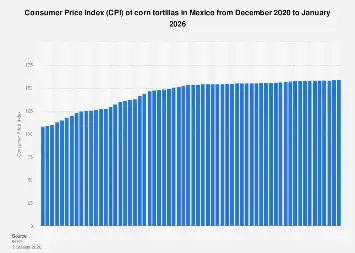
Mexico City, Mexico – January 2026 – The foundational element of Mexican cuisine, the humble corn tortilla, is projected to see a notable increase in its Consumer Price Index (CPI), signaling ongoing inflationary pressures on this essential foodstuff. Projections indicate that by January 2026, the CPI for corn tortillas will reach a significant benchmark, reflecting a substantial year-over-year price hike. While specific figures remain under embargo for broader market access, preliminary data points to an upward trend that will impact household budgets across the nation. This anticipated rise underscores the complex economic factors influencing the price of a product deeply woven into the fabric of Mexican daily life and culinary identity.
The corn tortilla is more than just a food item; it is a cultural icon and an economic indicator in Mexico. Its affordability directly correlates with the purchasing power of a significant portion of the population, particularly lower and middle-income households. Therefore, any fluctuations in its price are keenly observed and can have a tangible effect on living standards. The projected increase in the CPI for corn tortillas by January 2026 is not an isolated event but rather a continuation of trends influenced by a confluence of domestic and global economic forces. These include the cost of agricultural inputs, global commodity markets, domestic agricultural policies, and broader inflation rates.
Globally, food inflation has been a persistent challenge, exacerbated by supply chain disruptions, geopolitical events, and the impacts of climate change on agricultural yields. Mexico, as a major importer and producer of agricultural goods, is not immune to these global dynamics. The price of corn, the primary ingredient in traditional tortillas, is subject to international market fluctuations. Furthermore, the domestic production of corn in Mexico, while significant, is also affected by weather patterns, labor costs, and government subsidies, all of which contribute to the final price of the product.
The Consumer Price Index (CPI) serves as a critical tool for measuring inflation. For corn tortillas, a sustained increase in the CPI signifies that consumers are paying more for the same quantity and quality of this staple. This can lead to a decrease in real disposable income, forcing households to reallocate their spending, potentially cutting back on other essential goods or services. For a product as ubiquitous as the corn tortilla, this impact is felt across a broad spectrum of the Mexican population.
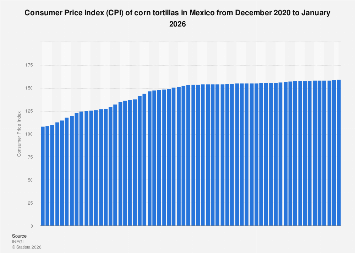
Looking at the historical trajectory, the CPI for corn tortillas has shown volatility in recent years. Factors such as increased energy costs, which affect transportation and processing, as well as the price of other essential ingredients like salt and water, contribute to the overall cost of production. The base period for the current CPI calculations, set in the latter half of July 2018, provides a reference point against which these increases are measured. By January 2026, the index will have accumulated a significant increase from this baseline, reflecting the cumulative impact of inflationary pressures over several years.
The implications of this projected price increase extend beyond individual households. For the food industry, particularly small and medium-sized enterprises that rely heavily on corn tortillas for their operations, rising costs can squeeze profit margins. This could lead to difficult decisions regarding price adjustments for their own products, further propagating inflationary effects throughout the economy. Restaurants, street food vendors, and larger food manufacturers all face the challenge of absorbing or passing on these increased costs.
In a comparative global context, Mexico’s experience with food price inflation, particularly for staple goods, is not unique. Many developing and emerging economies are grappling with similar challenges. Countries heavily reliant on agricultural imports often face greater vulnerability to global price shocks. However, Mexico’s deep cultural connection to corn and tortillas positions this issue with particular sensitivity. The government’s response to manage these price increases, through subsidies, agricultural support programs, or price controls, becomes a crucial element in mitigating the economic and social impact.
The projected CPI figures for January 2026 are a stark reminder of the intricate relationship between agriculture, economics, and daily life. The corn tortilla, a symbol of Mexican heritage, is increasingly becoming a barometer of economic well-being. As economists and policymakers analyze the data, the focus will be on understanding the specific drivers of this projected inflation and formulating strategies to ensure continued access to this essential food item for all Mexicans. The trend suggests a sustained period of elevated prices, necessitating a comprehensive approach to address the underlying economic factors and safeguard the purchasing power of consumers. The continued monitoring of this vital commodity’s price index will be crucial in navigating the economic landscape of Mexico in the coming years.