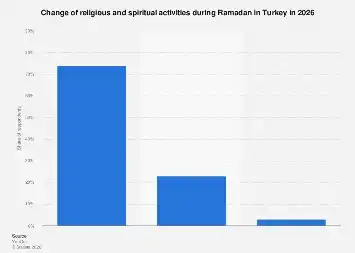
The approaching month of Ramadan in Turkey in 2026 is poised to be a significant period, not only for its deep religious and cultural importance but also for its palpable economic influence. As millions of Turkish citizens observe fasting, prayer, and community gatherings, consumption patterns undergo a distinct shift, creating both challenges and opportunities across various sectors. Understanding these dynamics is crucial for businesses, policymakers, and economic analysts seeking to navigate this unique period.
Ramadan, the ninth month of the Islamic lunar calendar, is a time of spiritual reflection and heightened devotion. For Muslims worldwide, it involves abstaining from food and drink from dawn until sunset. This fundamental practice directly impacts daily life and, by extension, economic activity. In Turkey, a nation with a predominantly Muslim population, the observance of Ramadan is deeply ingrained in the social fabric, shaping consumer behavior and market trends for approximately 30 days each year. The exact dates of Ramadan shift annually due to its lunar calendar basis, making precise forecasting a dynamic exercise. For 2026, Ramadan is anticipated to commence in mid-February and conclude in mid-March, falling within a period that typically sees varied weather conditions across Turkey, potentially influencing both indoor and outdoor activities and their associated spending.
The most immediate economic impact of Ramadan is observed in the food and beverage sector. While daily consumption during fasting hours is curtailed, the evening meals, particularly the Iftar (breaking the fast) and the pre-dawn Suhoor, become central to daily life. This leads to a surge in demand for specific food items. Traditional staples like dates, olives, cheese, pastries, and various prepared dishes experience a significant uptick in sales. Supermarkets and local markets often report substantial increases in revenue during this period. Furthermore, the social nature of Iftar, where families and friends gather, often necessitates increased spending on larger quantities and more elaborate meals. This can also translate into a boost for the hospitality industry, with restaurants and catering services offering special Ramadan menus and packages, catering to both individual diners and larger group bookings.
Beyond sustenance, Ramadan also influences the retail sector. The period often coincides with increased charitable giving, known as Zakat, which can redirect consumer spending towards religious organizations and those in need. However, it also sees a rise in gift-giving, particularly for children, and the purchase of new clothing for Eid al-Fitr, the festival marking the end of Ramadan. This can provide a welcome stimulus for the apparel and fashion industries. Home goods and decorations, used to prepare for festive gatherings, also see a seasonal demand. The economic reverberations extend to the electronics and home appliance sectors as families may invest in new items for communal dining or entertainment during the longer evenings.
However, the economic landscape during Ramadan is not without its complexities. The shift in daily routines can lead to a temporary slowdown in productivity in certain sectors. Businesses that rely on standard operating hours may need to adjust schedules to accommodate fasting employees. This can affect service delivery and, in some cases, lead to slight dips in output. Moreover, the increased spending on food and festivities can put a strain on household budgets, potentially leading to a decrease in discretionary spending on non-essential items for some segments of the population. Inflationary pressures, if present in the broader economy, can be exacerbated during Ramadan as demand for specific goods intensifies.
The Turkish government and central bank often monitor these seasonal economic shifts closely. While direct intervention is usually minimal, policies aimed at managing inflation, ensuring food supply stability, and supporting vulnerable populations become particularly relevant during Ramadan. Initiatives to provide subsidized food items or facilitate charitable donations can help mitigate the economic burden on lower-income households. The government’s approach often involves ensuring that essential services remain uninterrupted and that markets are well-stocked to meet the heightened demand.
Economists point to the cyclical nature of Ramadan’s economic impact, noting that the increased spending during the month is often balanced by a more subdued period in the weeks preceding or following it. The cumulative effect on the national economy is generally positive, driven by the concentrated burst of consumer activity. For instance, while productivity might dip slightly on a daily basis, the overall increase in consumption of goods and services often outweighs this. The tourism sector can also experience a mixed impact. While international tourist arrivals might see some fluctuations, domestic tourism, especially for religious sites and family visits, can increase.
Global comparisons offer further context. Many Muslim-majority countries experience similar Ramadan-driven economic patterns. In regions like the Middle East and North Africa, the surge in demand for specific food items, the emphasis on charitable giving, and the social gatherings are universal themes. However, the scale and specific nuances of these trends vary depending on the country’s economic development, consumption habits, and the proportion of the population observing religious practices. Turkey, with its significant population and diverse economy, presents a compelling case study of these dynamics.
The digital economy also plays an increasingly important role during Ramadan. E-commerce platforms often see a significant spike in sales, with consumers taking advantage of online shopping for convenience, especially during fasting hours. This has led many businesses to invest heavily in their online presence and logistics during this period. Digital payment systems also experience heightened activity, facilitating transactions for both essential and festive purchases.
Looking ahead to Ramadan 2026, several factors could influence the economic outcomes. The broader global economic climate, including potential supply chain disruptions or shifts in commodity prices, will undoubtedly play a role. Turkey’s domestic economic policies, including interest rate decisions and inflation control measures, will also shape consumer confidence and spending power. Furthermore, the evolving consumer preferences, influenced by global trends and technological advancements, will continue to shape how Ramadan is observed and its economic footprint. For instance, the rise of health-conscious eating habits might influence the types of food consumed during Iftar and Suhoor, potentially impacting demand for certain traditional products.
In conclusion, Ramadan 2026 in Turkey represents a period of intensified religious observance that translates into distinct economic patterns. The food and beverage sector, alongside retail and hospitality, is set to experience a significant upswing. While potential challenges related to productivity and household budgets exist, the overall economic impact is generally characterized by a concentrated surge in consumer spending. Businesses that strategically adapt their offerings, marketing, and operational strategies to align with the unique demands of this sacred month are best positioned to capitalize on the opportunities presented by Ramadan’s profound influence on the Turkish economy.