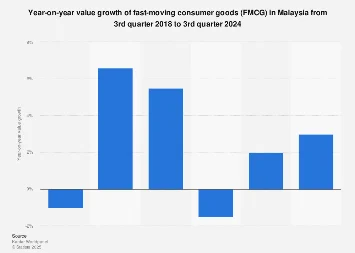
Malaysia’s Fast-Moving Consumer Goods (FMCG) sector is projected to experience a significant uptick in value growth throughout 2024, signaling a dynamic recovery and expansion phase for one of the nation’s most crucial economic pillars. This anticipated surge is underpinned by a confluence of resurgent consumer confidence, evolving purchasing habits, and strategic market adaptations by both domestic and international players. While specific granular data often resides behind premium analytics platforms, the overarching trend points towards a strengthening market, indicating a positive outlook for manufacturers, retailers, and associated industries.
The FMCG market, characterized by its high sales volume and low margins, encompasses a broad spectrum of everyday essentials, from food and beverages to personal care products and household cleaning supplies. Its performance is a key barometer of broader economic health, reflecting household spending power and the general sentiment of the populace. Following periods of economic recalibration and shifts in consumer behavior influenced by global events, 2024 represents a pivotal year where pent-up demand and a renewed sense of normalcy are expected to translate into tangible market expansion.
Several key drivers are fueling this optimistic projection. Firstly, Malaysia’s economic trajectory for 2024 is generally viewed favorably by international financial institutions. Forecasts suggest a steady GDP growth, which directly correlates with increased disposable income and, consequently, higher consumer spending on FMCG products. As employment figures stabilize and inflationary pressures, while still a concern, show signs of moderating, consumers are likely to allocate more resources towards both essential and discretionary FMCG purchases. This is particularly relevant for segments like premium food items, convenience snacks, and enhanced personal care products, where consumers may seek to upgrade their consumption patterns.
Secondly, the post-pandemic landscape has reshaped consumer preferences and purchasing channels. While traditional brick-and-mortar retail remains dominant, the accelerated adoption of e-commerce and online grocery platforms has created new avenues for growth. FMCG companies that have successfully integrated robust digital strategies, offering seamless online ordering, efficient delivery networks, and engaging digital marketing campaigns, are well-positioned to capture a larger share of the market. The convenience and accessibility offered by these digital channels resonate particularly with urban demographics and younger consumer cohorts, driving value through increased purchase frequency and basket size. Market data from various sources consistently highlights the growing contribution of online sales to the overall FMCG revenue in Southeast Asia, with Malaysia being a significant participant in this trend.
Furthermore, product innovation and category expansion are playing a crucial role in driving value growth. Consumers are increasingly seeking products that align with their evolving lifestyles and values. This includes a growing demand for healthier options, such as organic foods, low-sugar beverages, and plant-based alternatives. Similarly, the emphasis on sustainability is influencing purchasing decisions, with a rising preference for eco-friendly packaging and ethically sourced ingredients. Companies that can effectively respond to these trends by launching innovative products that cater to these specific consumer needs are likely to command premium pricing and achieve higher value growth rates. The "health and wellness" segment within FMCG, for instance, has shown consistent resilience and upward momentum globally, and Malaysia is no exception.
The performance of specific sub-sectors within the FMCG market will also vary. The food and non-alcoholic beverages segment, forming the largest portion of the FMCG pie, is expected to see sustained demand, driven by staple consumption and growing interest in convenience foods and beverages catering to specific dietary needs or preferences. The personal care and cosmetics sector, while sometimes considered more discretionary, is also poised for growth, fueled by a rising middle class, increased awareness of grooming and beauty trends, and the introduction of novel formulations and products. The tobacco segment, subject to its own regulatory and health-related dynamics, will continue to be a significant contributor to overall FMCG value, albeit with its unique growth trajectory.
Global economic conditions and supply chain dynamics also present a complex backdrop. Fluctuations in global commodity prices, shipping costs, and geopolitical stability can impact the cost of raw materials and finished goods, influencing pricing strategies and profit margins for FMCG companies. However, established players in Malaysia have often demonstrated a capacity to navigate these challenges through strategic sourcing, localized production, and efficient inventory management. The government’s supportive policies aimed at bolstering domestic manufacturing and trade also contribute to a more stable operating environment.
Analyzing the Malaysian FMCG market in a global context reveals several interesting parallels and divergences. Across emerging markets in Southeast Asia, similar trends of digitalization, health consciousness, and sustainability are shaping the FMCG landscape. Countries like Indonesia, Thailand, and Vietnam are also witnessing robust growth in their FMCG sectors, driven by large and young populations. Malaysia, with its relatively higher per capita income and a more developed retail infrastructure, often serves as a benchmark for sophisticated market penetration and consumer engagement strategies. The country’s strategic location within ASEAN also positions it as a hub for regional distribution and market expansion for FMCG brands.
The economic impact of a thriving FMCG sector extends beyond direct sales. It generates significant employment opportunities across manufacturing, logistics, retail, and marketing functions. It also fosters ancillary industries, such as packaging, advertising, and technology services. A strong FMCG market contributes to tax revenues, supports agricultural sectors through raw material procurement, and enhances the overall competitiveness of Malaysia’s economy on the global stage. The continuous investment in research and development by FMCG companies also drives technological advancements and skill development within the workforce.
In conclusion, the outlook for Malaysia’s FMCG sector in 2024 is decidedly positive, characterized by anticipated value growth driven by a resurgent economy, evolving consumer behaviors, and strategic industry adaptations. While precise figures require deeper dives into specialized market intelligence, the confluence of these factors paints a picture of a dynamic and expanding market. Companies that can effectively leverage digital channels, innovate with health-conscious and sustainable products, and adapt to the nuanced preferences of the Malaysian consumer will be best positioned to capitalize on this promising growth trajectory. The sector’s continued strength will undoubtedly remain a vital contributor to Malaysia’s overall economic prosperity.