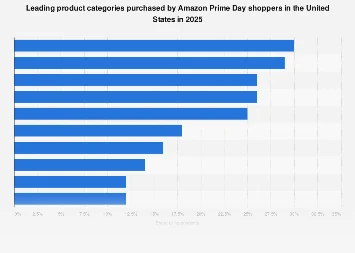
As the global e-commerce sector continues its relentless expansion, the United States remains a bellwether for consumer behavior and market trends. With the digital marketplace becoming increasingly ingrained in daily life, understanding the anticipated shifts in consumer purchasing habits is paramount for businesses, investors, and policymakers alike. Projections for the 2025 U.S. market reveal a dynamic interplay of established favorites and emerging categories, driven by evolving consumer preferences, technological advancements, and macroeconomic forces.
The sheer scale of the U.S. e-commerce market is staggering. In 2023, online retail sales in the United States were estimated to be in the trillions of dollars, a figure projected to see sustained, albeit moderating, growth in the coming years. This robust expansion is fueled by widespread internet penetration, high adoption rates of smartphones and digital payment methods, and the convenience offered by online platforms. For 2025, analysts anticipate a continued upward trajectory, with particular attention being paid to the specific product categories that will capture the largest share of consumer wallets.
Among the perennial leaders, Electronics are expected to maintain their commanding position. This broad category encompasses everything from smartphones and laptops to smart home devices and gaming consoles. The rapid pace of technological innovation, coupled with increasing consumer demand for upgraded and connected devices, ensures a steady stream of new products and replacement purchases. The lifecycle of many electronic goods is shortening, encouraging more frequent upgrades. Furthermore, the integration of artificial intelligence and other advanced features into consumer electronics is creating new market segments and driving demand. For instance, the burgeoning market for wearable technology, including smartwatches and fitness trackers, is projected to see significant growth, driven by health consciousness and the desire for seamless connectivity. The gaming industry, in particular, continues to be a major revenue generator, with advancements in virtual reality and cloud gaming poised to further stimulate sales of high-performance hardware and accessories.
Closely following Electronics, Apparel and Fashion are set to remain a cornerstone of online retail. While brick-and-mortar stores have historically dominated fashion sales, the convenience and vast selection offered by online retailers have irrevocably altered consumer behavior. The rise of fast fashion, coupled with a growing emphasis on sustainable and ethically sourced clothing, is shaping purchasing decisions. Direct-to-consumer (DTC) brands are increasingly leveraging e-commerce to build their customer base, offering personalized experiences and unique product lines. Social media platforms also play a crucial role in fashion discovery and purchasing, with influencer marketing and shoppable content driving significant sales. The increasing personalization of online shopping experiences, aided by AI-powered recommendation engines, allows retailers to cater to individual style preferences more effectively, boosting conversion rates and customer loyalty. The ongoing trend towards athleisure and comfortable, versatile clothing is also expected to sustain demand in this segment.
The Home Goods and Furniture sector is another area experiencing a significant digital transformation. Driven by a greater emphasis on home improvement and interior design, consumers are increasingly comfortable purchasing larger, more complex items online. This shift has been accelerated by the COVID-19 pandemic, which prompted many individuals to invest more in their living spaces. E-commerce platforms are responding by offering improved visualization tools, such as augmented reality (AR) features that allow customers to see how furniture would look in their homes, and streamlined delivery and assembly services. The growing popularity of subscription boxes for home décor and organizational items also contributes to the expansion of this category. As remote work continues to be a viable option for many, the demand for comfortable and functional home office setups is expected to remain strong, further bolstering sales in this segment. The increasing awareness of sustainability is also influencing purchasing decisions in home goods, with consumers seeking out eco-friendly materials and durable products.
Health and Personal Care products represent a consistently strong and resilient e-commerce category. The convenience of ordering everyday essentials, medications, and beauty products online, often with subscription options for recurring needs, appeals to a wide demographic. The pandemic further underscored the importance of accessibility to these goods, solidifying online purchasing habits. The growth of specialized online pharmacies and direct-to-consumer health brands is also contributing to the expansion of this market. Consumers are also becoming more proactive about their well-being, leading to increased demand for wellness products, supplements, and fitness equipment, all of which are readily available online. The pharmaceutical sector, in particular, is witnessing a significant shift towards online sales, driven by convenience, privacy, and often, competitive pricing. The increasing availability of telehealth services also complements the online sale of health-related products.
The Food and Beverage sector, once considered a more hesitant adopter of e-commerce, has seen remarkable growth, particularly in the grocery segment. The convenience of having groceries delivered directly to one’s doorstep, coupled with the expanding range of options from local purveyors to national brands, has made online grocery shopping a mainstream activity. The development of sophisticated logistics and cold-chain management has addressed previous concerns about freshness and quality. Beyond groceries, the market for prepared meals, meal kits, and specialty beverages is also thriving online. This category is characterized by high purchase frequency, making it a crucial area for customer retention and loyalty programs. The integration of online ordering with loyalty programs and personalized offers is a key strategy for success in this competitive space. The demand for locally sourced and artisanal food products, facilitated by online platforms, is also a growing trend.
Looking beyond these established giants, several emerging categories are poised for significant growth. Pet Supplies have become a substantial online market, reflecting the increasing humanization of pets and the willingness of owners to spend on high-quality food, toys, and accessories. The convenience of auto-replenishment services for pet food and other consumables is a major driver. Similarly, the market for Toys and Games continues to evolve, with a growing demand for educational and STEM-focused products, as well as a resurgence in board games and puzzles, all of which are readily available online. The influence of social media trends and unboxing videos also plays a role in driving sales of specific toy items.
The economic implications of these shifts are profound. For retailers, a strong online presence is no longer optional but a necessity for survival and growth. Companies that can effectively leverage data analytics to understand consumer behavior, personalize offerings, and optimize their supply chains will gain a significant competitive advantage. Investment in robust e-commerce infrastructure, including secure payment gateways, efficient logistics, and user-friendly interfaces, is crucial. The rise of e-commerce also presents opportunities for small and medium-sized enterprises (SMEs) to reach a global customer base, bypassing traditional retail barriers. However, increased competition and the need for sophisticated digital marketing strategies necessitate careful planning and execution.
From a consumer perspective, the continued growth of e-commerce offers greater choice, competitive pricing, and unparalleled convenience. However, it also raises important considerations regarding data privacy, cybersecurity, and the potential impact on traditional retail employment. Policymakers face the challenge of adapting regulatory frameworks to address the complexities of the digital economy, including issues related to consumer protection, taxation, and antitrust concerns.
In conclusion, the 2025 U.S. e-commerce landscape is characterized by a dynamic mix of established product categories demonstrating sustained resilience and emerging sectors experiencing rapid expansion. Electronics, apparel, home goods, health and personal care, and food and beverages are expected to remain dominant forces, driven by evolving consumer needs and technological advancements. As the digital marketplace continues to mature, businesses that prioritize customer experience, embrace innovation, and adapt to shifting consumer preferences will be best positioned to thrive in this ever-evolving economic environment. The ability to leverage data, personalize offerings, and ensure seamless logistical operations will be critical determinants of success in the coming years.