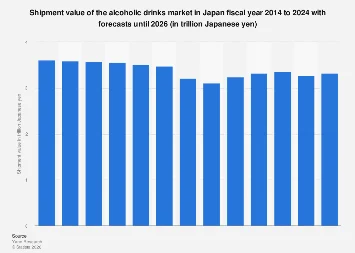
The Japanese alcoholic beverage market, a sector deeply intertwined with the nation’s cultural fabric and economic activity, is poised for a period of significant evolution, with projections indicating a robust expansion through 2026. This dynamic industry, encompassing a diverse range of products from traditional sake and shochu to international favorites like beer and wine, is navigating shifting consumer preferences, demographic trends, and innovative market strategies. Understanding the trajectory of this sector requires a deep dive into its current state, historical performance, and the key drivers shaping its future.
Historically, beer has held a dominant position within Japan’s alcoholic drinks market, a trend largely driven by the nation’s major brewing conglomerates. Companies like Asahi, Kirin, Sapporo, and Suntory have long been pillars of the industry, investing heavily in production, marketing, and distribution networks that have solidified their market share. Their extensive portfolios, ranging from lagers and ales to low-malt options (known as happoshu) and even non-alcoholic varieties, cater to a broad spectrum of consumers. The beer segment’s resilience is also a testament to its accessibility and widespread acceptance across various social settings, from casual gatherings to formal business dinners. Statistics consistently show beer accounting for a substantial portion of total alcoholic beverage sales, underscoring its enduring appeal.
However, the narrative of the Japanese alcoholic beverage market is becoming increasingly multifaceted. While beer maintains its lead, other categories are experiencing notable growth and diversification. The rise of low-alcohol and no-alcohol beverages, a global trend amplified in Japan, is reshaping consumption patterns. This movement is driven by a growing health consciousness among consumers, an aging population, and a desire for more inclusive social drinking experiences. Manufacturers are responding with an expanding array of sophisticated and flavorful non-alcoholic beers, spirits, and wines, challenging the traditional perception that alcohol is a prerequisite for enjoyment. This segment’s expansion not only captures market share from traditional alcoholic offerings but also appeals to a new demographic of consumers who may have previously abstained.
Beyond the low- and no-alcohol trend, the resurgence of traditional Japanese spirits like sake and shochu is another significant development. For decades, these beverages were sometimes perceived as older generation drinks. However, a concerted effort by producers, coupled with a renewed appreciation for craftsmanship and local ingredients, has revitalized their appeal. Craft sake breweries are experimenting with new brewing techniques and flavor profiles, while premium shochu brands are gaining traction both domestically and internationally. This revival is particularly important as it taps into a growing demand for authentic, artisanal products and reflects a broader cultural movement towards valuing heritage and quality. The sophisticated marketing and branding employed by these producers have successfully repositioned sake and shochu as contemporary, premium choices.
Wine and other imported spirits also play a crucial role in the market’s dynamism. Japan’s increasing exposure to global trends and a growing middle class with disposable income have fueled demand for a wider variety of international wines and spirits. While domestic production of wine is gaining momentum, particularly in regions like Yamanashi, the market remains heavily influenced by imports. The increasing sophistication of Japanese palates and a greater willingness to explore diverse flavor profiles have benefited these categories, making them integral components of the overall alcoholic beverage landscape. The growth in wine consumption, for instance, is often linked to dining experiences and a desire for greater sophistication in beverage choices.
The economic underpinnings of this market are substantial. The alcoholic beverage industry is a significant contributor to Japan’s GDP, generating revenue through sales, employment, and taxation. Its supply chain is extensive, involving agriculture (for grains, grapes, and fruits), manufacturing, logistics, retail, and hospitality. Fluctuations in consumer spending, economic growth, and demographic shifts directly impact the industry’s performance. For example, periods of economic uncertainty can lead consumers to trade down to more affordable options or reduce overall consumption, while periods of prosperity can encourage premiumization and exploration of new products. The industry’s ability to adapt to these macroeconomic forces is critical for its sustained success.
Looking ahead to 2026, several key factors are expected to shape the market’s trajectory. The aging population in Japan, a demographic reality with profound economic implications, will continue to influence consumption patterns. While older demographics may traditionally favor established brands and familiar tastes, they also represent a significant consumer base for products that cater to health and moderation. Conversely, younger generations, while potentially consuming less alcohol overall, are showing a greater propensity for premium and craft beverages, seeking unique experiences and novel flavors. This generational dichotomy presents both challenges and opportunities for market players.
Technological advancements and innovative business models are also poised to play a transformative role. E-commerce platforms are increasingly important for beverage sales, offering convenience and a wider selection to consumers. Direct-to-consumer (DTC) models are emerging, allowing smaller producers to reach a broader audience and build direct relationships with their customers. Furthermore, data analytics and personalized marketing strategies are becoming essential tools for understanding and engaging with diverse consumer segments. The ability of companies to leverage these technologies will be a key differentiator in the competitive landscape.
Sustainability and ethical sourcing are also gaining prominence as consumer values evolve. Brands that can demonstrate a commitment to environmental responsibility, fair labor practices, and authentic ingredient sourcing are likely to resonate more strongly with a growing segment of conscientious consumers. This includes everything from the agricultural practices used to produce raw materials to the packaging and distribution methods employed.
Global comparisons offer valuable insights into Japan’s market. While Japan’s per capita alcohol consumption might not reach the heights of some Western European nations, its market value is substantial due to its large population and high consumer spending power. The premiumization trend, where consumers opt for higher-quality, more expensive products, is a phenomenon observed across many developed economies, and Japan is no exception. However, Japan’s unique cultural nuances, such as the importance of gifting and specific social etiquette surrounding drinking, create a distinct market environment that requires tailored strategies.
In conclusion, the Japanese alcoholic beverage market in 2026 is anticipated to be a vibrant and evolving sector. While beer will likely retain its significant market share, growth will be increasingly driven by the diversification of product offerings, including a strong surge in low- and no-alcohol options, a revitalized interest in traditional spirits, and continued demand for imported beverages. The industry’s ability to adapt to demographic shifts, embrace technological innovation, and respond to evolving consumer values such as health and sustainability will be paramount to its continued success and expansion in the years to come. The market’s resilience and capacity for innovation suggest a promising outlook for alcoholic beverage producers and distributors operating within this dynamic economic landscape.