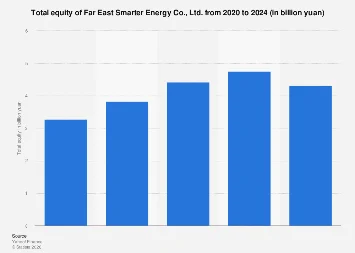
Far East Smarter Energy Co., Ltd. stands at a critical juncture in 2024, navigating the dynamic and increasingly complex global energy sector. As the world pivots towards sustainable solutions and grapples with geopolitical shifts impacting energy supply chains, understanding the financial underpinnings of key players like Far East Smarter Energy is paramount for investors, policymakers, and industry analysts alike. While precise, granular financial data often requires specialized access, the company’s position within the broader market offers insights into its strategic direction and potential future trajectory. The energy industry, a bedrock of global economic activity, is undergoing a profound transformation, driven by technological innovation, mounting environmental concerns, and the imperative for energy security. Within this context, Far East Smarter Energy’s financial health and strategic positioning are not just indicators of its corporate performance but also reflections of wider industry trends and regional economic development.
The company’s equity structure, a fundamental measure of its financial strength and ownership, is a key indicator for stakeholders. Equity represents the residual interest in the assets of an entity after deducting all its liabilities. For a publicly traded company, this is often reflected in shareholder equity, which includes common stock, preferred stock, and retained earnings. Fluctuations in equity can signal a company’s ability to generate profits, manage its debt, and reinvest in its operations. In the energy sector, significant capital expenditures are often required for exploration, production, infrastructure development, and the transition to cleaner energy sources. Therefore, a robust equity base is crucial for funding these essential activities and weathering market volatility.
Far East Smarter Energy operates within a region that is a significant consumer and increasingly a producer of energy. Asia, in particular, has witnessed rapid economic growth, leading to escalating energy demand. This demand is met by a diverse mix of energy sources, including traditional fossil fuels, nuclear power, and a growing portfolio of renewable energy technologies such as solar, wind, and hydropower. The company’s strategic focus on "smarter energy" suggests an engagement with the evolving landscape, likely encompassing not only traditional energy provision but also investments in grid modernization, energy efficiency solutions, and potentially renewable energy integration. The ability of Far East Smarter Energy to adapt its business model and financial strategy to these shifting demands will be a defining factor in its long-term success.
The global energy market in 2024 is characterized by several key trends that directly influence companies like Far East Smarter Energy. Firstly, the ongoing energy transition, driven by climate change mitigation efforts and government policies, is accelerating investment in renewable energy sources. This shift necessitates significant capital outlay for research and development, manufacturing, and deployment of new technologies. Companies that can successfully leverage this transition, either through direct investment in renewables or by providing enabling technologies and services, are poised for growth. Secondly, energy security remains a paramount concern for nations worldwide, leading to efforts to diversify energy sources and supply routes. This can create opportunities for companies that can offer reliable and stable energy solutions, regardless of their origin.
Thirdly, technological advancements, particularly in areas like artificial intelligence, big data analytics, and advanced materials, are revolutionizing how energy is produced, distributed, and consumed. "Smarter energy" solutions often involve the integration of these technologies to optimize efficiency, reduce waste, and enhance grid resilience. Far East Smarter Energy’s emphasis on this aspect suggests a forward-looking approach, aiming to capitalize on the efficiency gains and new service opportunities that these innovations present. This could translate into improved operational performance, reduced costs, and the development of new revenue streams beyond traditional energy sales.
Analyzing the financial health of an energy company involves looking beyond just total equity. Key performance indicators (KPIs) such as profitability, liquidity, and solvency provide a more comprehensive picture. Profitability metrics, like net income and profit margins, indicate the company’s ability to generate earnings from its operations. Balance sheet KPIs, including debt-to-equity ratios and current ratios, assess the company’s financial leverage and its ability to meet short-term obligations. Cash flow KPIs, such as operating cash flow and free cash flow, reveal the company’s ability to generate cash from its core business activities, which is essential for reinvestment, debt repayment, and dividend distribution. Productivity KPIs, which might include energy output per employee or asset utilization rates, can shed light on operational efficiency.
For Far East Smarter Energy, understanding its position relative to industry benchmarks is crucial. For instance, comparing its debt-to-equity ratio to that of its peers in the Asian energy market or globally can reveal its risk profile. A higher debt-to-equity ratio might indicate a greater reliance on borrowed funds, which can amplify returns during good times but also increase financial risk during downturns. Conversely, a lower ratio suggests a more conservative financial structure. Similarly, examining its return on equity (ROE) against industry averages can indicate how effectively the company is using shareholder capital to generate profits.
The broader economic impact of Far East Smarter Energy’s performance cannot be overstated. As a significant entity in the energy sector, its financial stability and growth contribute to regional economic development through job creation, investment in infrastructure, and tax revenues. Furthermore, its strategic decisions regarding energy sources and technological adoption can influence national energy policies, influence carbon emission targets, and shape the competitive landscape for other energy providers. The company’s ability to secure financing for large-scale projects, whether for expanding fossil fuel infrastructure or investing in renewable energy capacity, has direct implications for energy supply reliability and affordability.
In conclusion, while specific financial figures for Far East Smarter Energy Co., Ltd. in 2024 are proprietary, its strategic positioning within the rapidly evolving global energy market, coupled with the general financial metrics common in the industry, provides a framework for understanding its potential. The company’s focus on "smarter energy" suggests an ambition to align with the global trends of digitalization, efficiency, and sustainability. Its financial performance will be intrinsically linked to its ability to navigate the complex interplay of energy demand, technological innovation, regulatory environments, and the imperative for a cleaner energy future. Investors and analysts will be closely watching its financial reports and strategic announcements for indicators of its success in capitalizing on these opportunities and mitigating the inherent risks of this transformative era in energy. The company’s equity, as a foundational element of its financial structure, will be a key indicator of its capacity to fund its strategic initiatives and its resilience in the face of market fluctuations.